Blog post 1 of 3
5 Questions – 5 Answers. Voices from the Market.
You can look forward to an exclusive interview with Mr. Beckert of Ludes Architekten. He will share his experience on lighting design in the healthcare sector with us.
“Light in Hospitals” with Mr. Ulrich Beckert of Ludes Architekten
Foreword
Light plays a crucial role in the design of hospital environments and can have a direct impact on the well-being of patients, visitors, and medical staff. In recent years, awareness of the importance of light in healthcare has increased significantly.
Well-thought-out lighting design can positively influence not only healing processes but also patients’ mood and overall quality of life. It is precisely these outcomes that are of utmost importance to us in the development of our lighting solutions from Schyns.
In this context, it is essential to explore the various aspects and possibilities of lighting use in hospitals in order to create an optimal environment for everyone involved.
For our first interview, we were able to speak with Mr. Ulricht Beckert, an interior designer at the architectural firm Ludes. Mr. Beckert has many years of experience in interior design and, in particular, in the development of lighting concepts.
Light is a key component of Healing Architecture. Light has emotional, biological, and visual effects. How important is the topic of light—or good lighting design—in your projects?
When designing and developing lighting atmospheres, I always rely on my gut feeling: what constitutes good and appropriate lighting for me? When and in what environment do I feel comfortable?
From many conversations with clients and users, I know that people’s perceptions are highly individual and vary greatly.
During our conversation, I ask questions such as: What does warm, pleasant light mean to you? A sunset, or a summer morning? Or a dinner shared with family and friends? Our perception of light is shaped by our experiences and life circumstances, depending on our situation, age, and state of health. Good lighting evokes emotions, calms us, or stimulates us. It allows us to relax or promotes concentration and performance, thus having a direct effect on both body and mind.
The biological effects of light are well-documented by research. How important is this aspect to you, and do you already incorporate it into your projects?
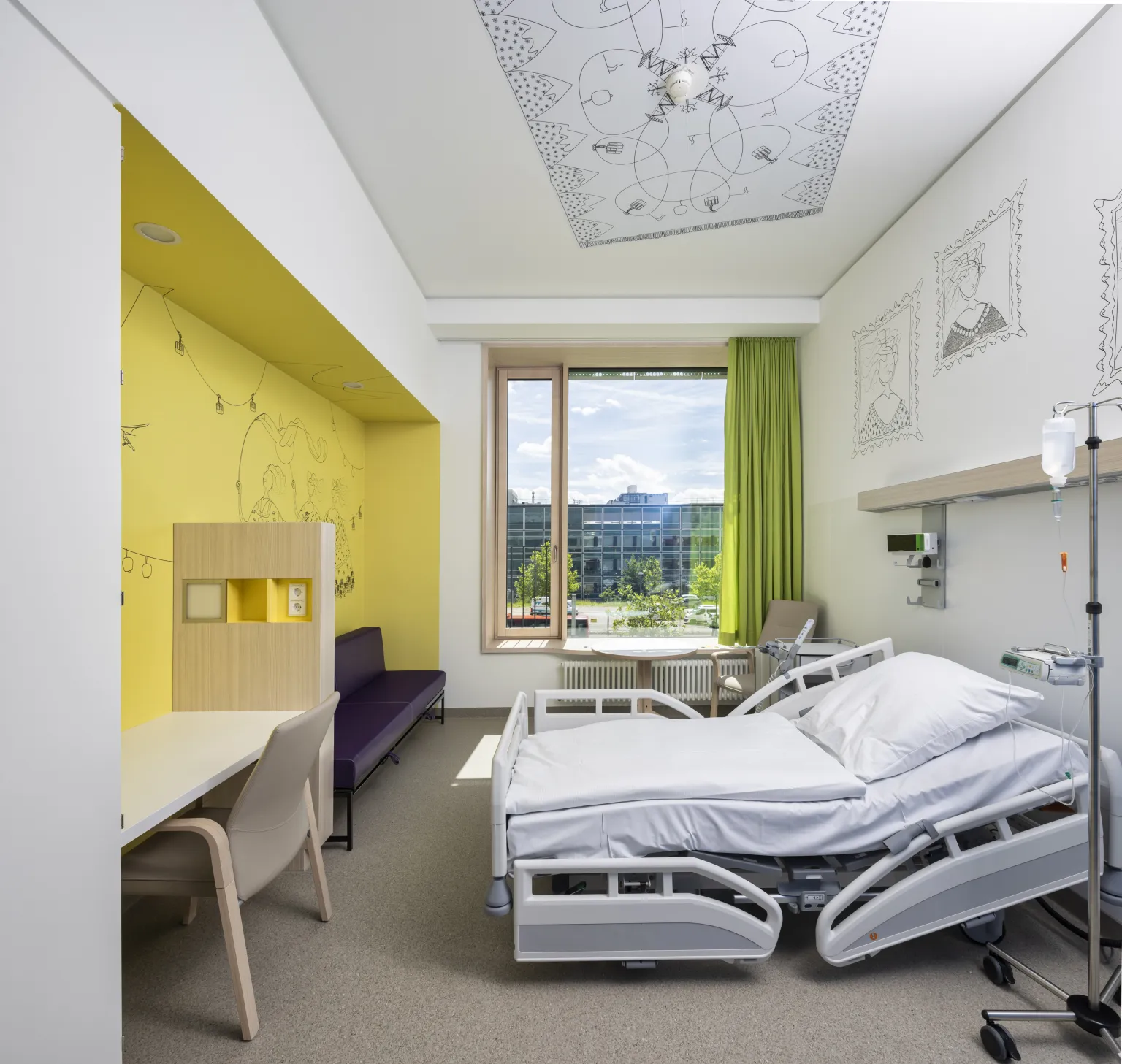
Thanks to extensive research, we know how light affects mood and well-being. We know that lighting can trigger stress and even anxiety. In hospitals, it is the task of interior design—and I would even say, primarily of lighting—to improve the quality of the environment and thereby support the patient’s recovery. Patients have heightened sensitivity and a different perception of stress, especially in rooms that, for example, convey a sense of confinement and monotony, are thoughtlessly designed, and are inadequately or incorrectly lit.
A sense of safety and security, and situations that encourage relaxation and recharging, cannot arise here. The “cocoon space” has a direct effect through its proportions, materials, light, sounds, and smells.
We have internalized this and strive in our projects to create atmospheres that promote well-being and contribute to healing.
Various visual tasks are performed in patient rooms. For example, more and more examinations and treatments are being conducted right in the room itself. How do you take all of this into account in your planning and when selecting lighting fixtures?
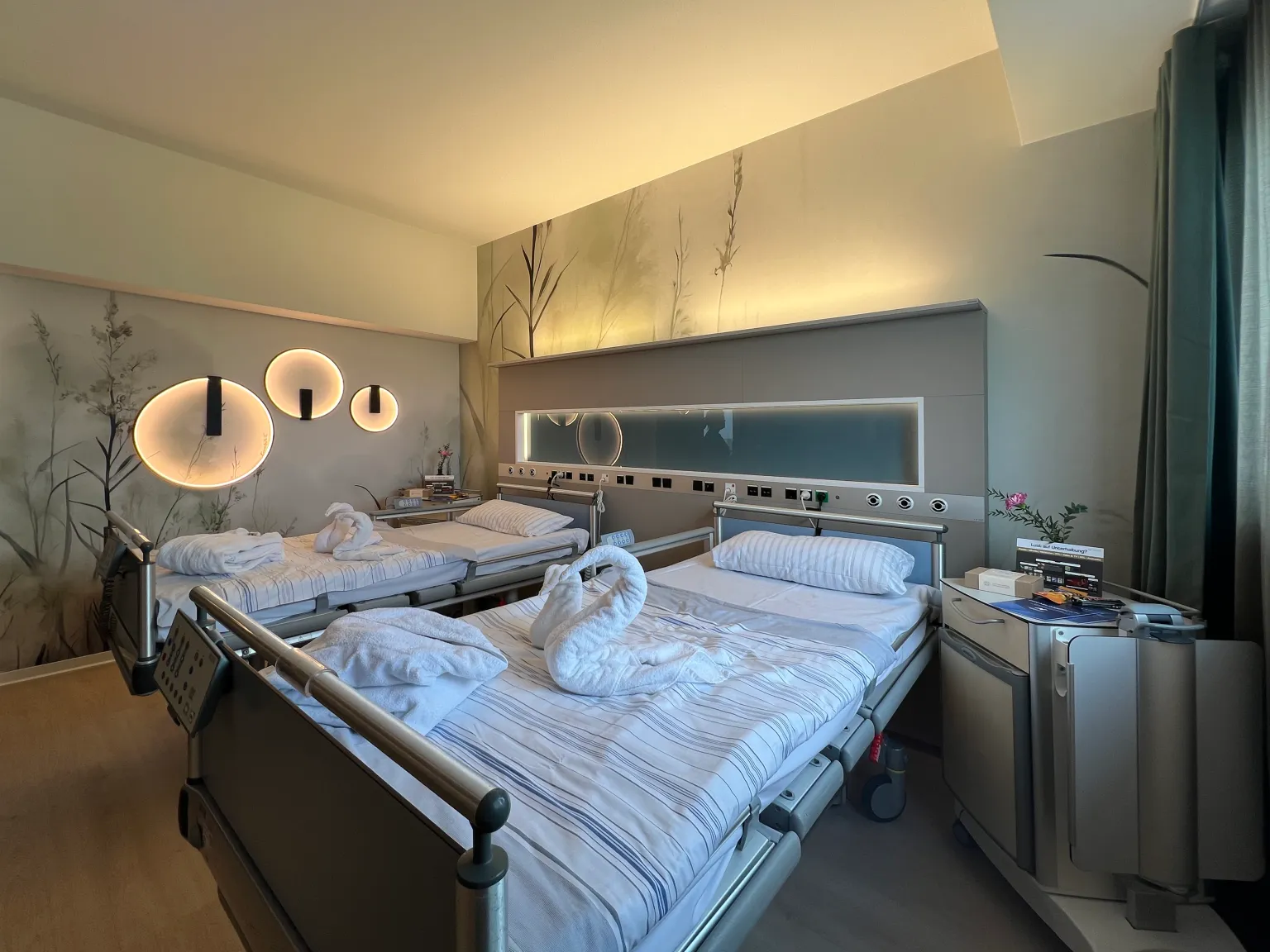
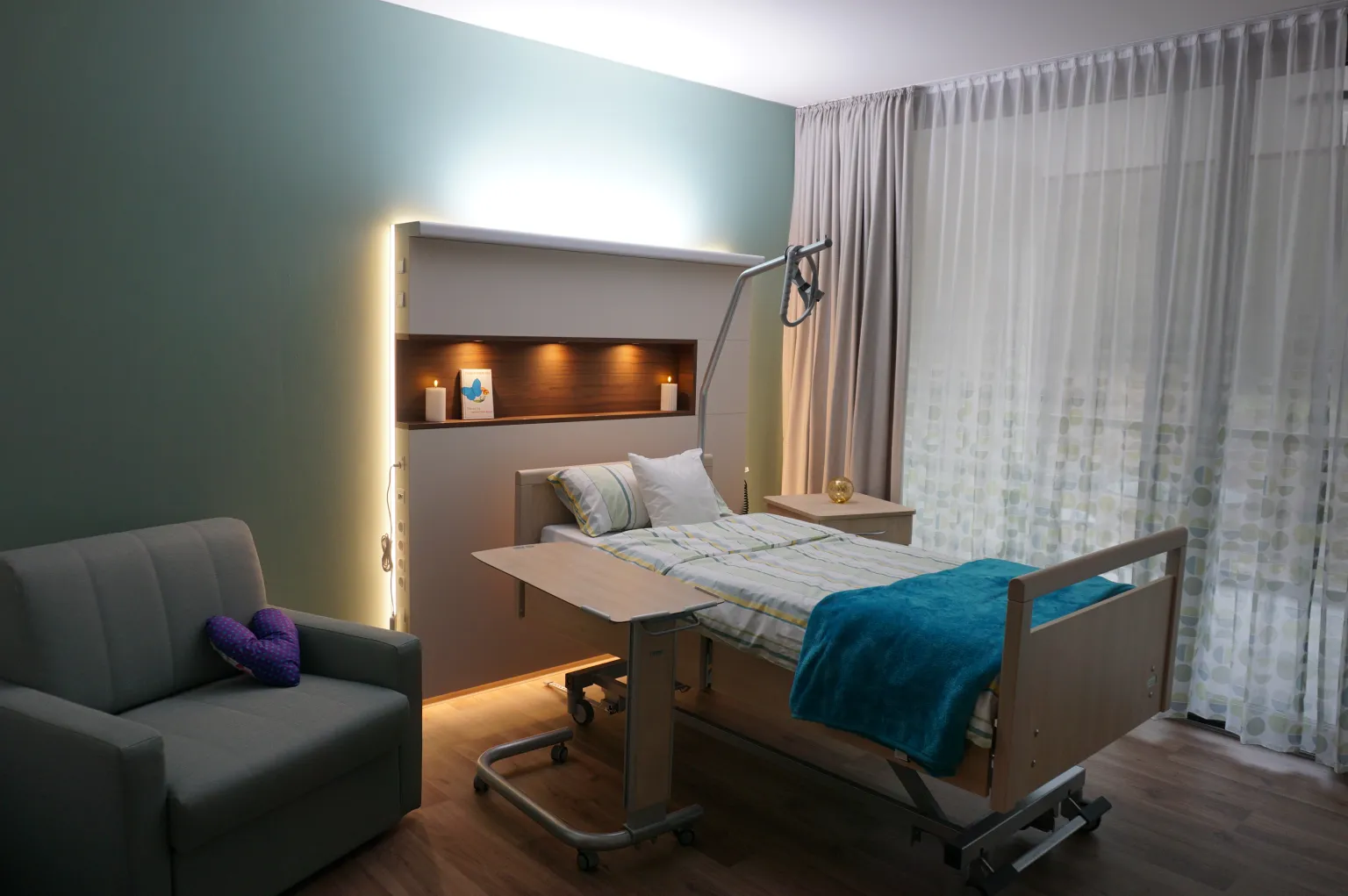
In patient rooms, artificial lighting mimics the natural progression of daylight. This so-called Human Centric Lighting is a key component of a holistic lighting concept; it has a stimulating effect while also directly contributing to rest and relaxation. It promotes the sleep-wake cycle and thus supports the recovery process.
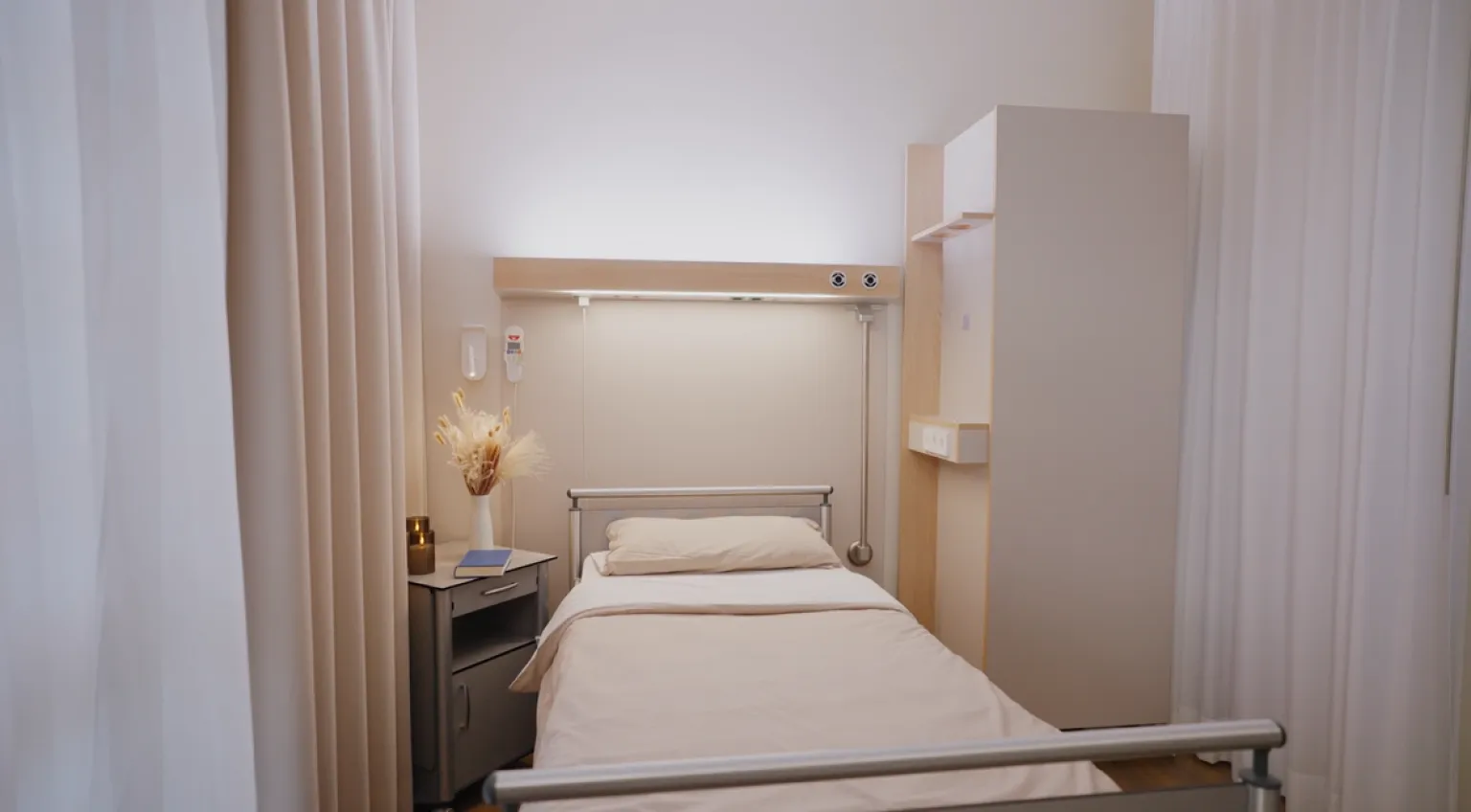
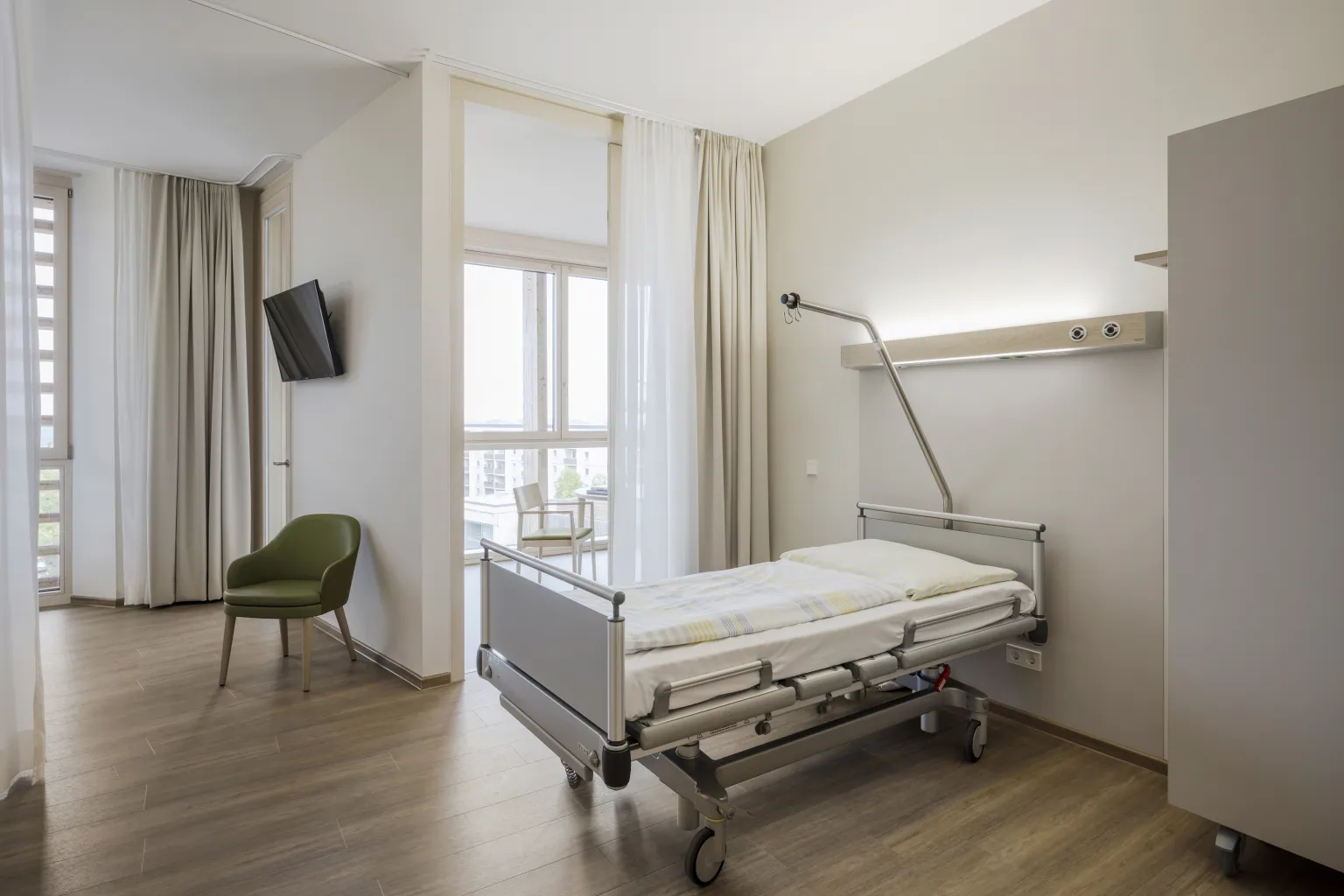
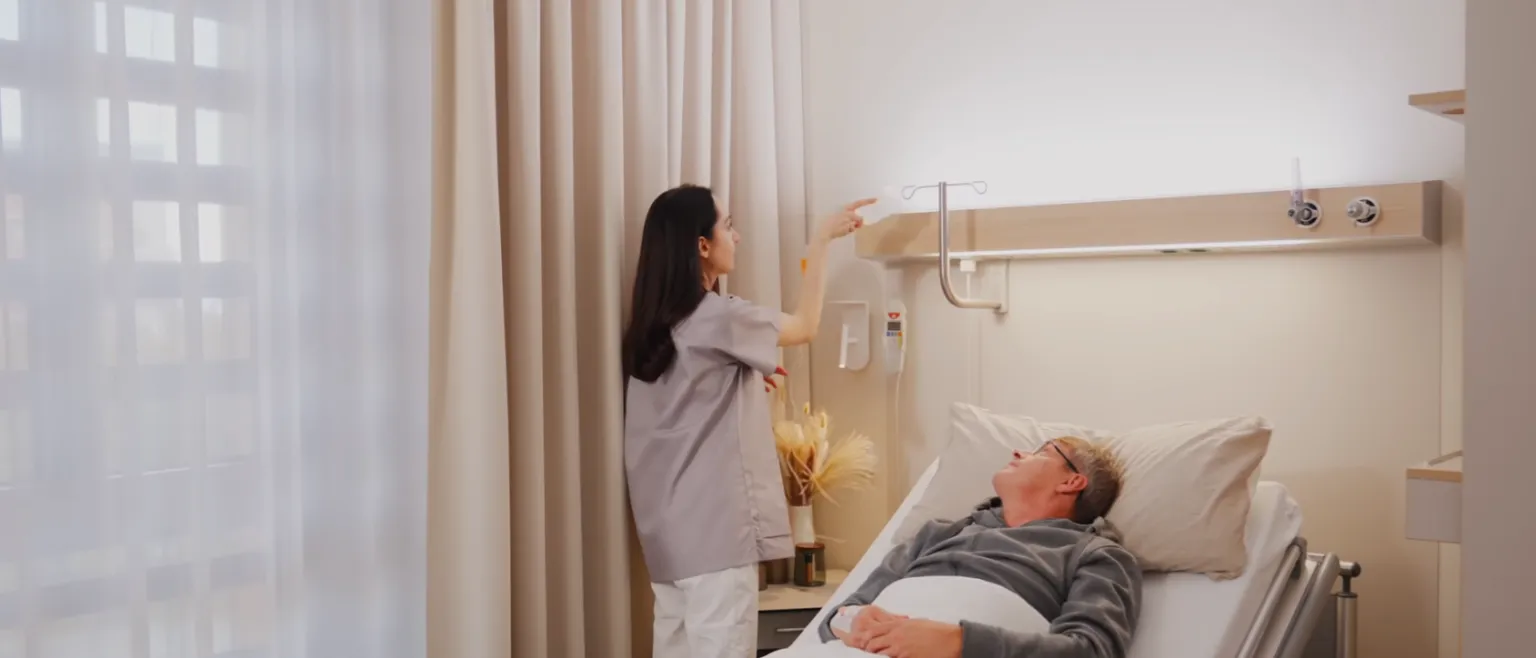
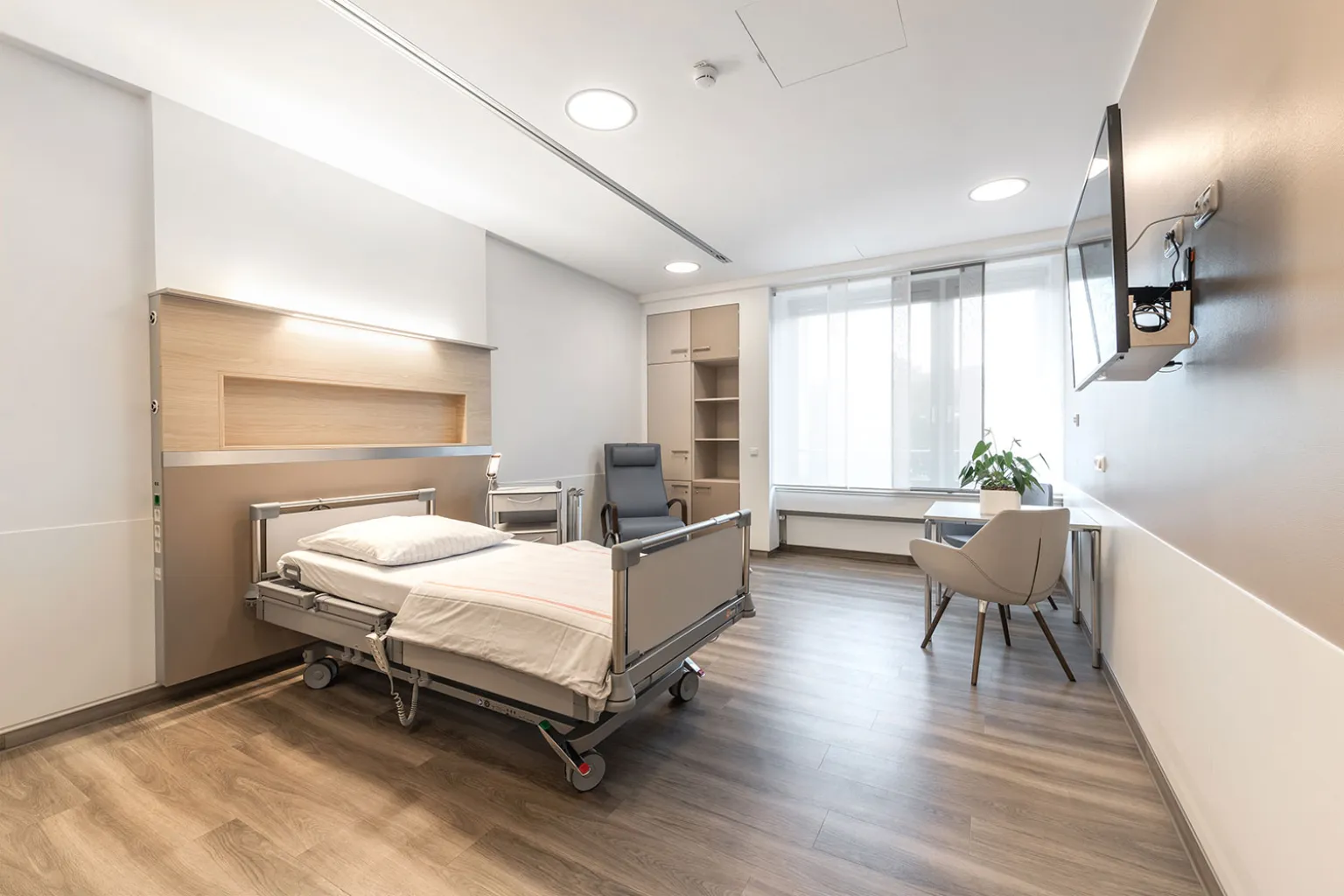
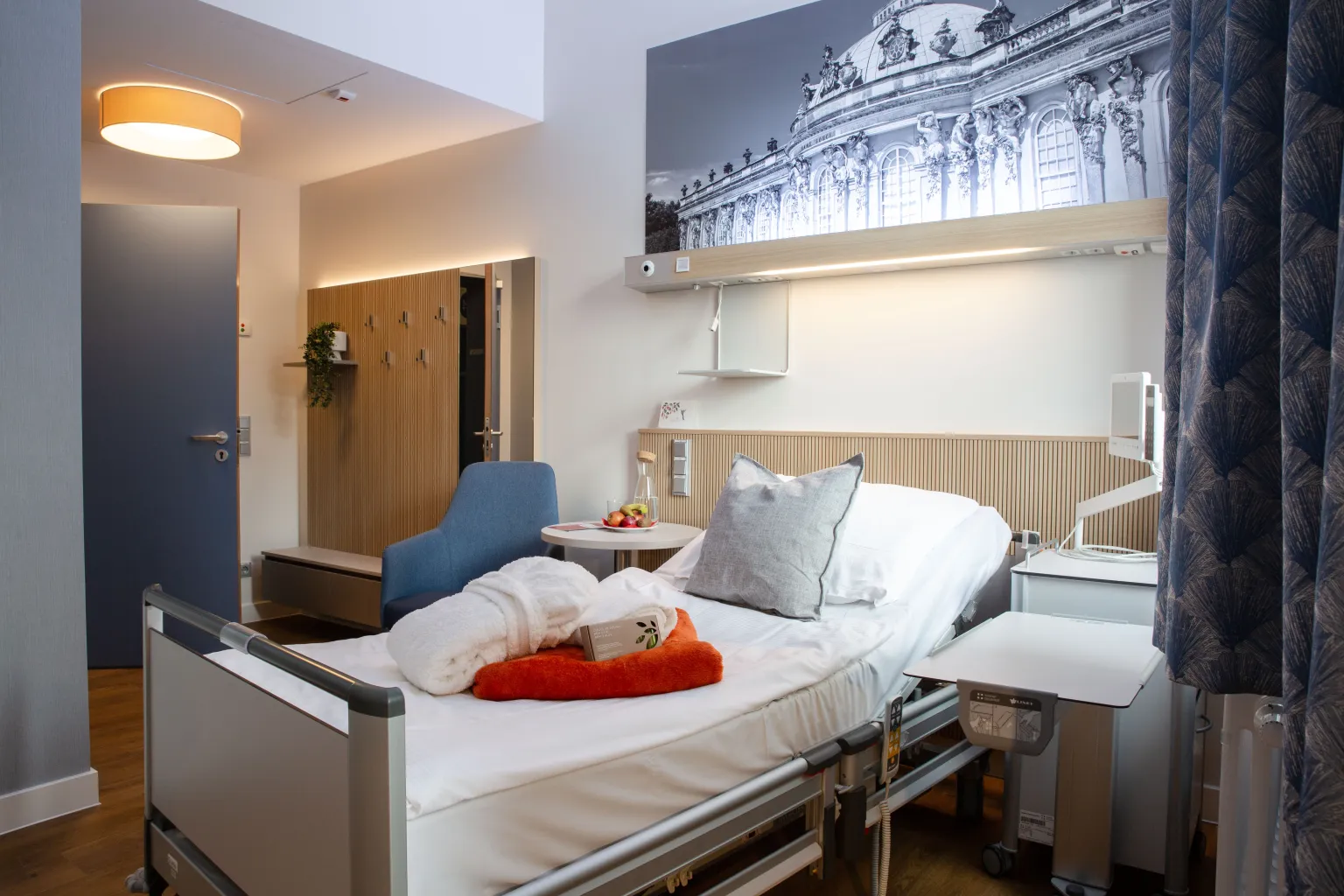
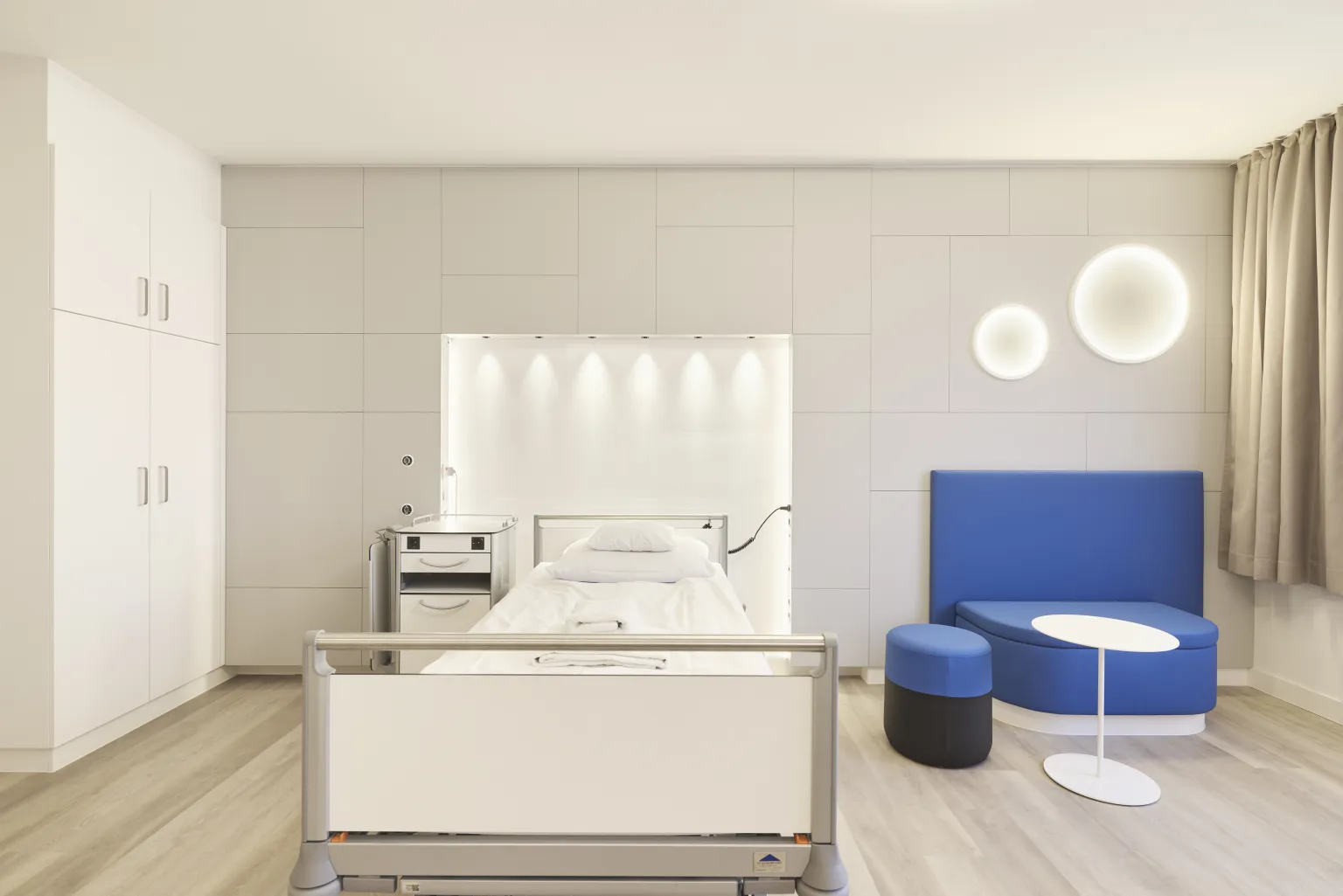
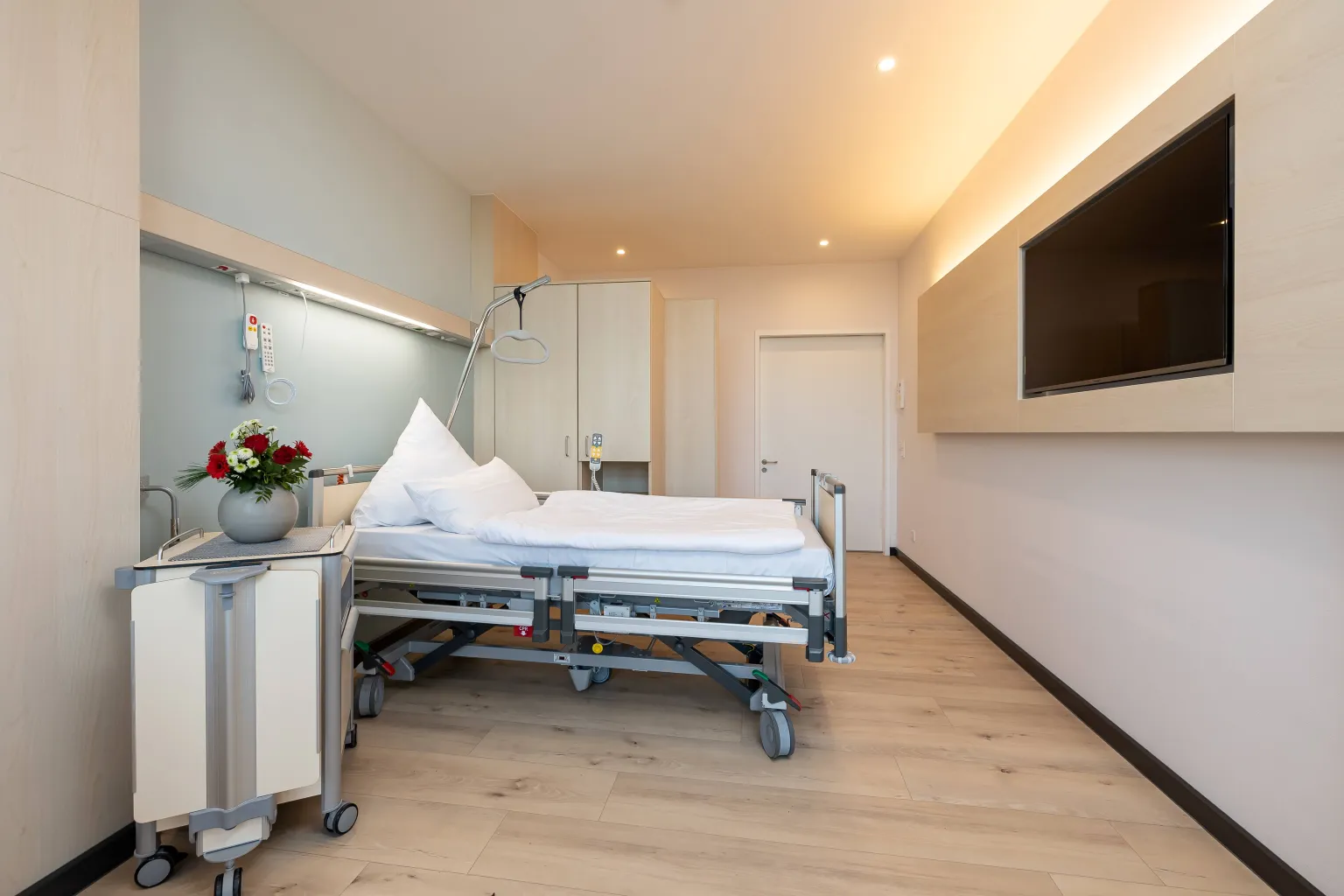
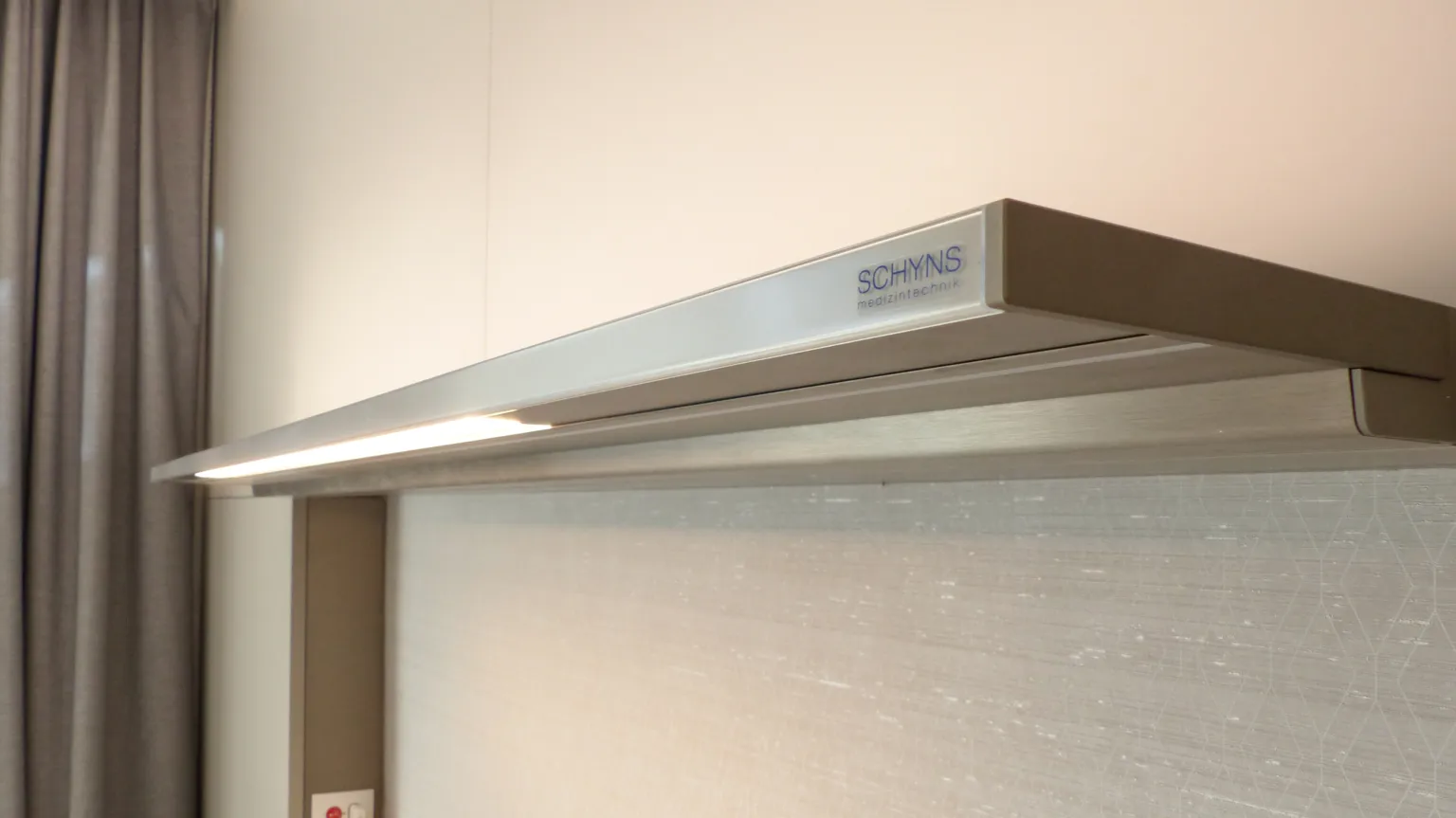
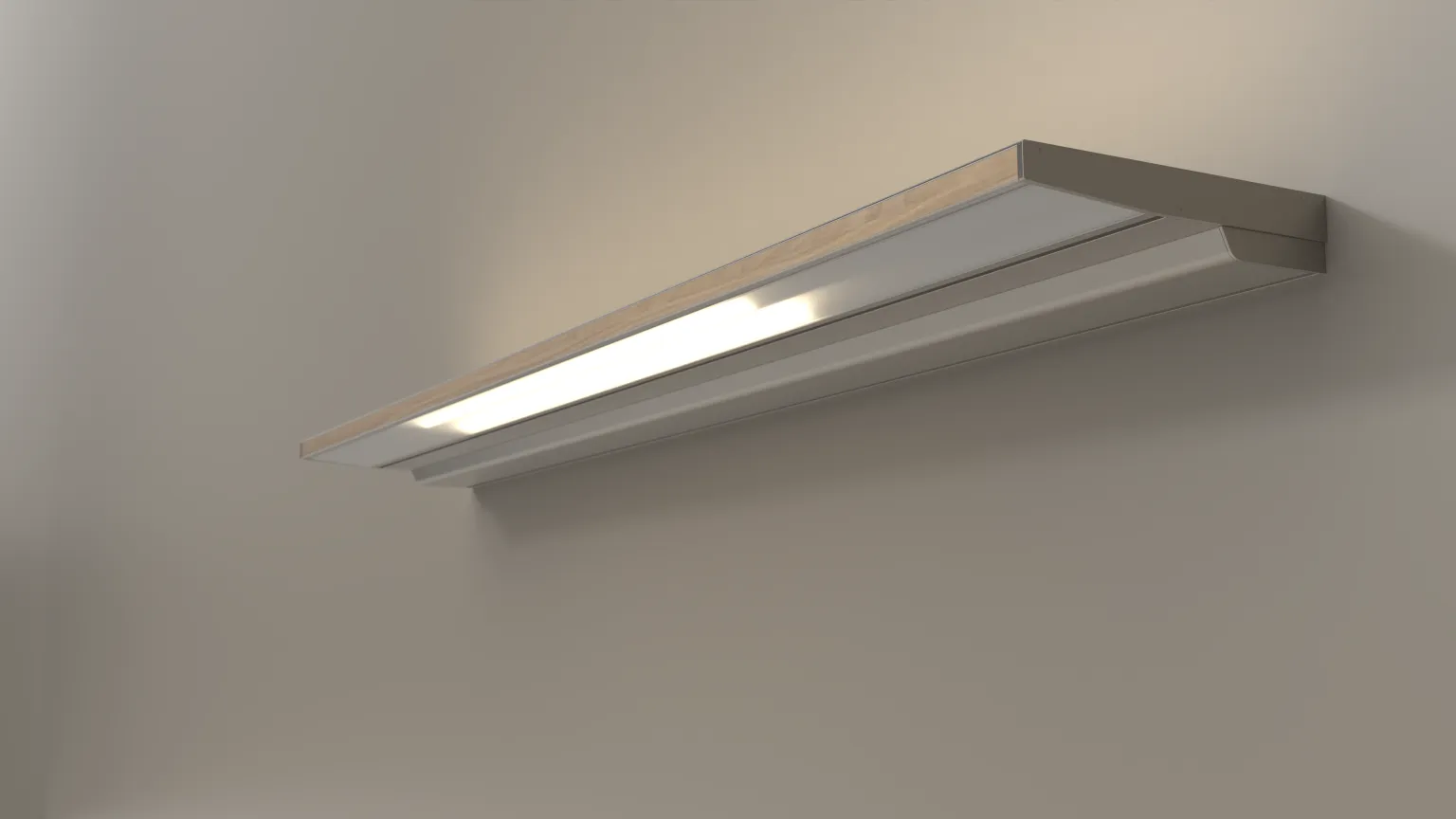
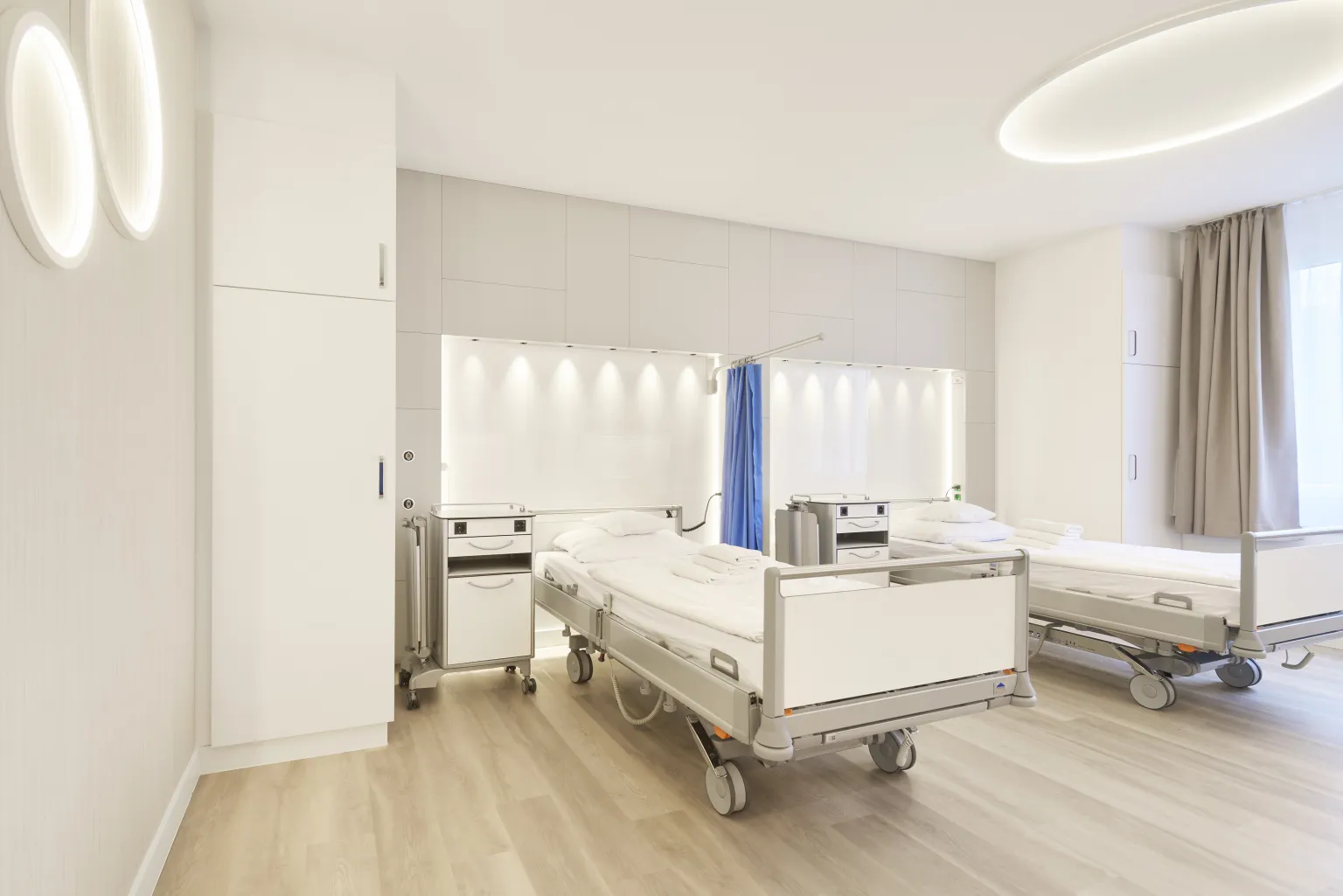
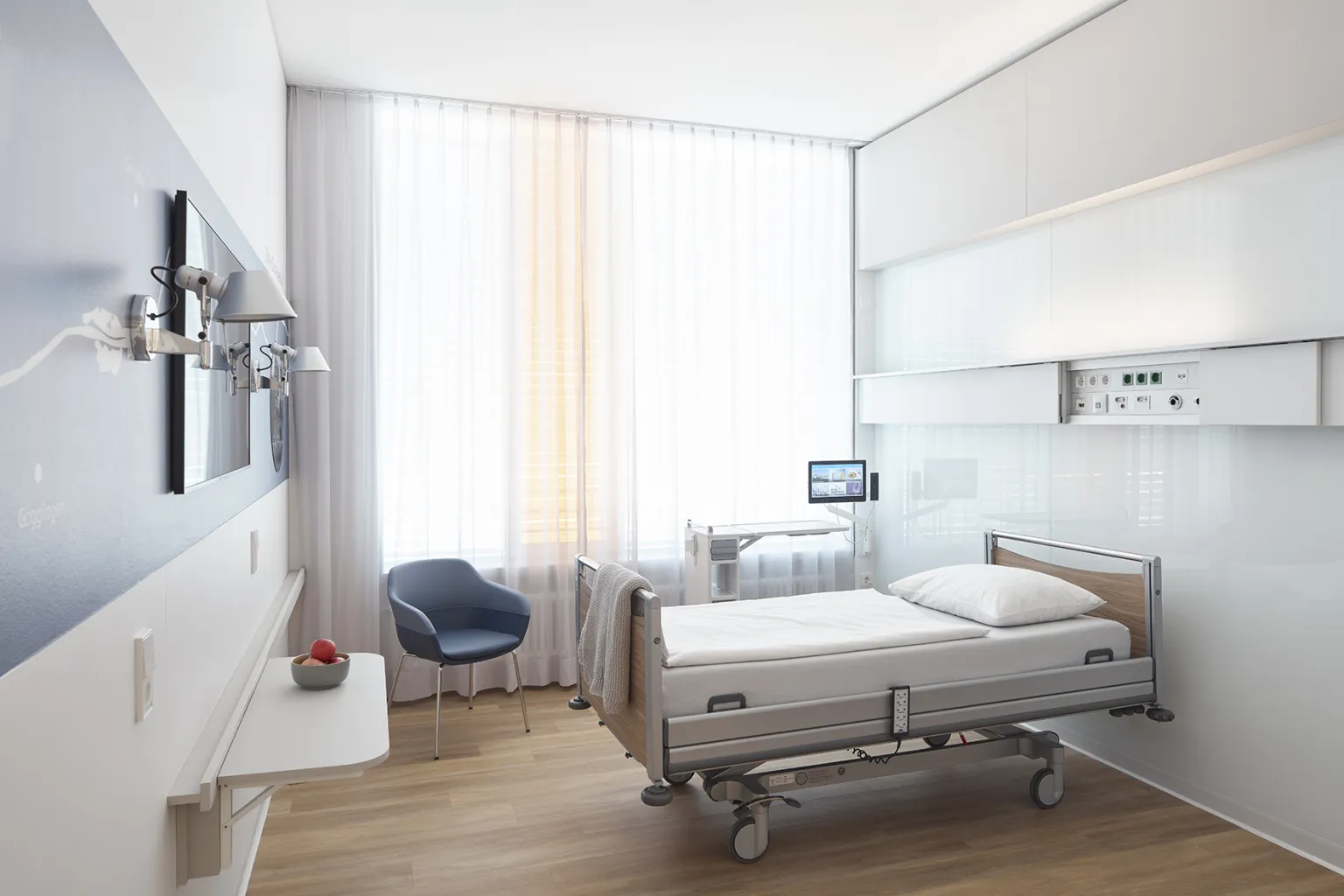
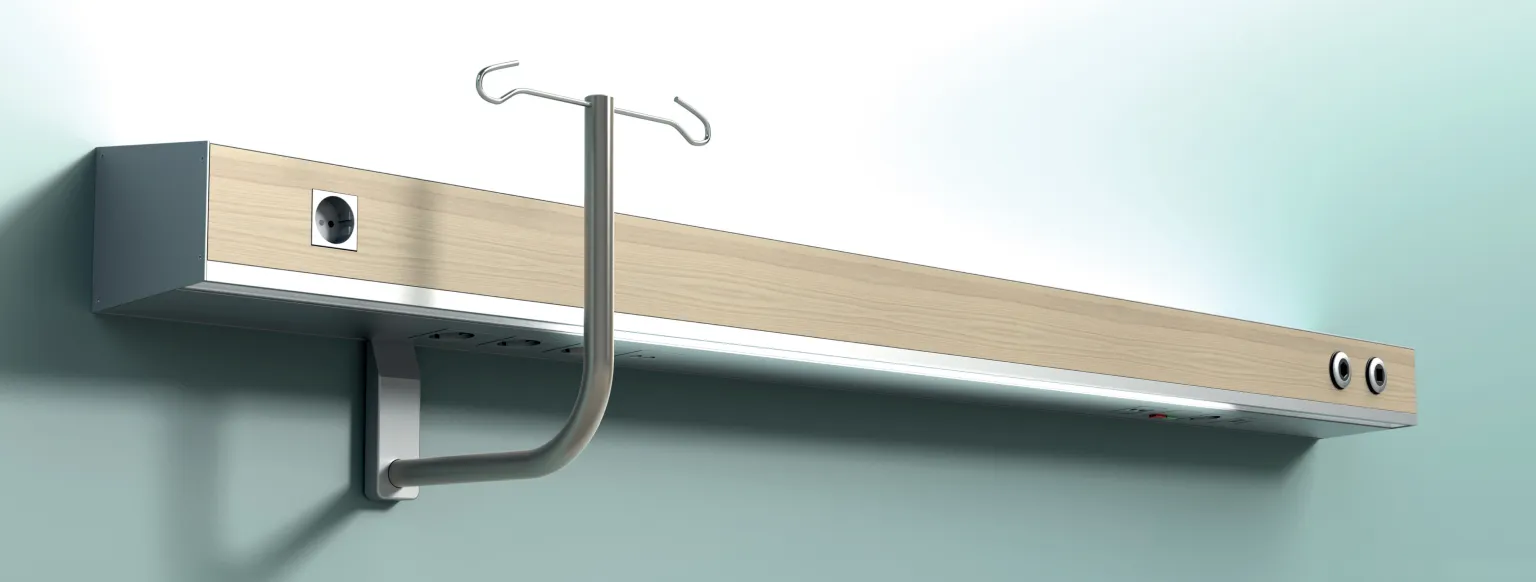
By individually adapting the lighting to specific needs—for example, by switching to warmer light colors—activity can be increased. In one of our current projects, the new hospital building in Offenburg, a directional light strip with HCL technology shines indirectly onto the ceiling, transforming it into a large light surface. Lighting types tailored to the respective functions complement this basic lighting to create a holistic lighting solution. At the bedside, directional light from a light profile with asymmetrical lens and reflector technology provides a high, glare-free light level for examinations.
What is your opinion on the idea that a good lighting concept has an impact on the well-being of patients and healthcare staff?
Few sectors require such complex lighting solutions as healthcare facilities—after all, the goal here is to create optimal, customized conditions for a wide variety of needs: doctors and nursing staff must be able to work with full concentration, while a comfortable atmosphere is sought for patients.
The lighting must therefore meet the needs and preferences of different groups of people in various situations. Smart lighting solutions harmonize these different requirements and interests.
Are there any other aspects related to lighting in healthcare or lighting in patient rooms that are important to you?
Light brings architecture to life; it defines spaces and places and enhances the unique characteristics of materials and textures. Good lighting promotes orientation, self-determination, and safety. In the hallways of the hospital in Offenburg, the lighting is designed to create a gentle rhythm; in front of the patient rooms, a spotlight highlights the wooden door and the stainless steel door handle set, adding an important accent.
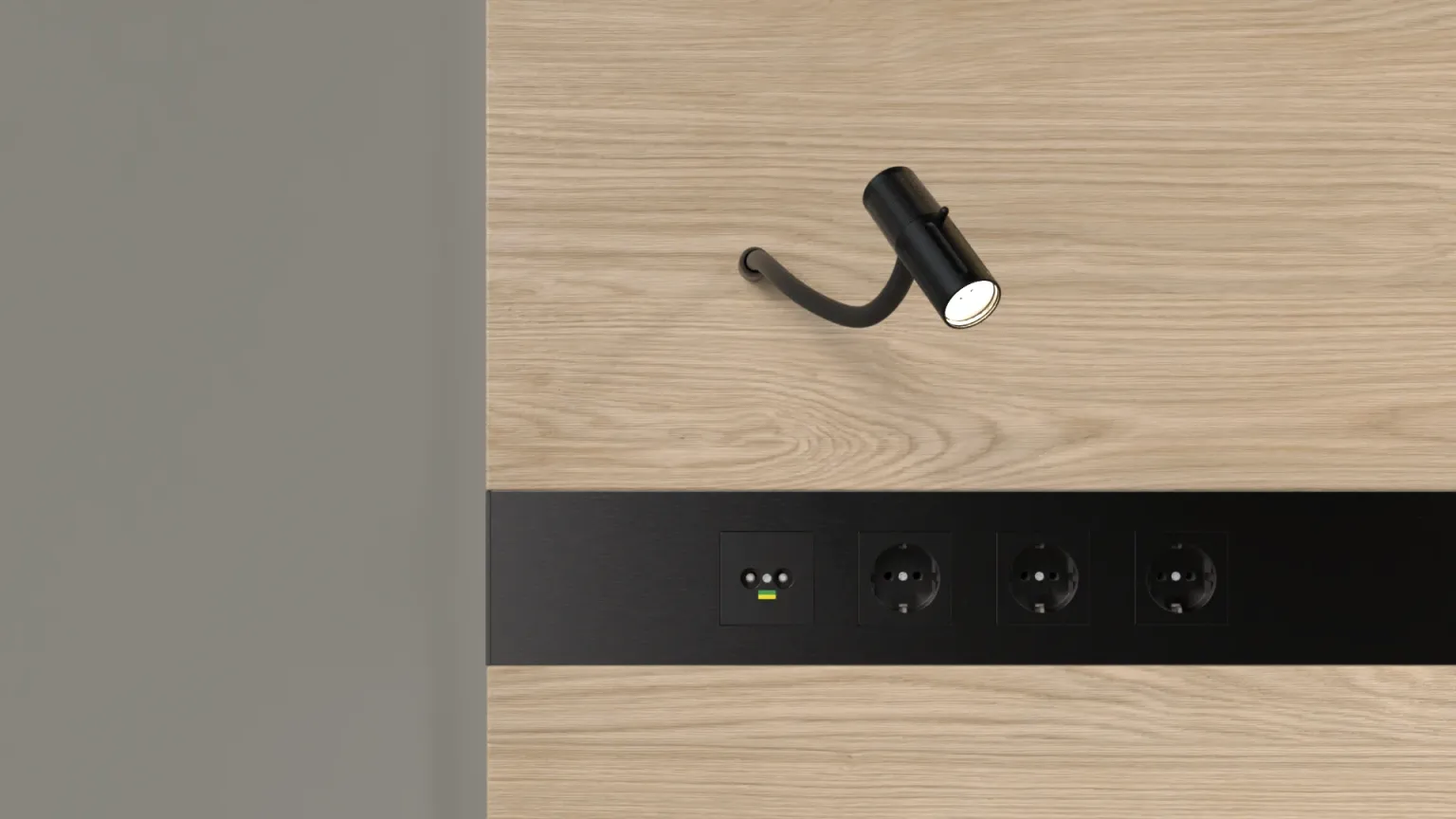
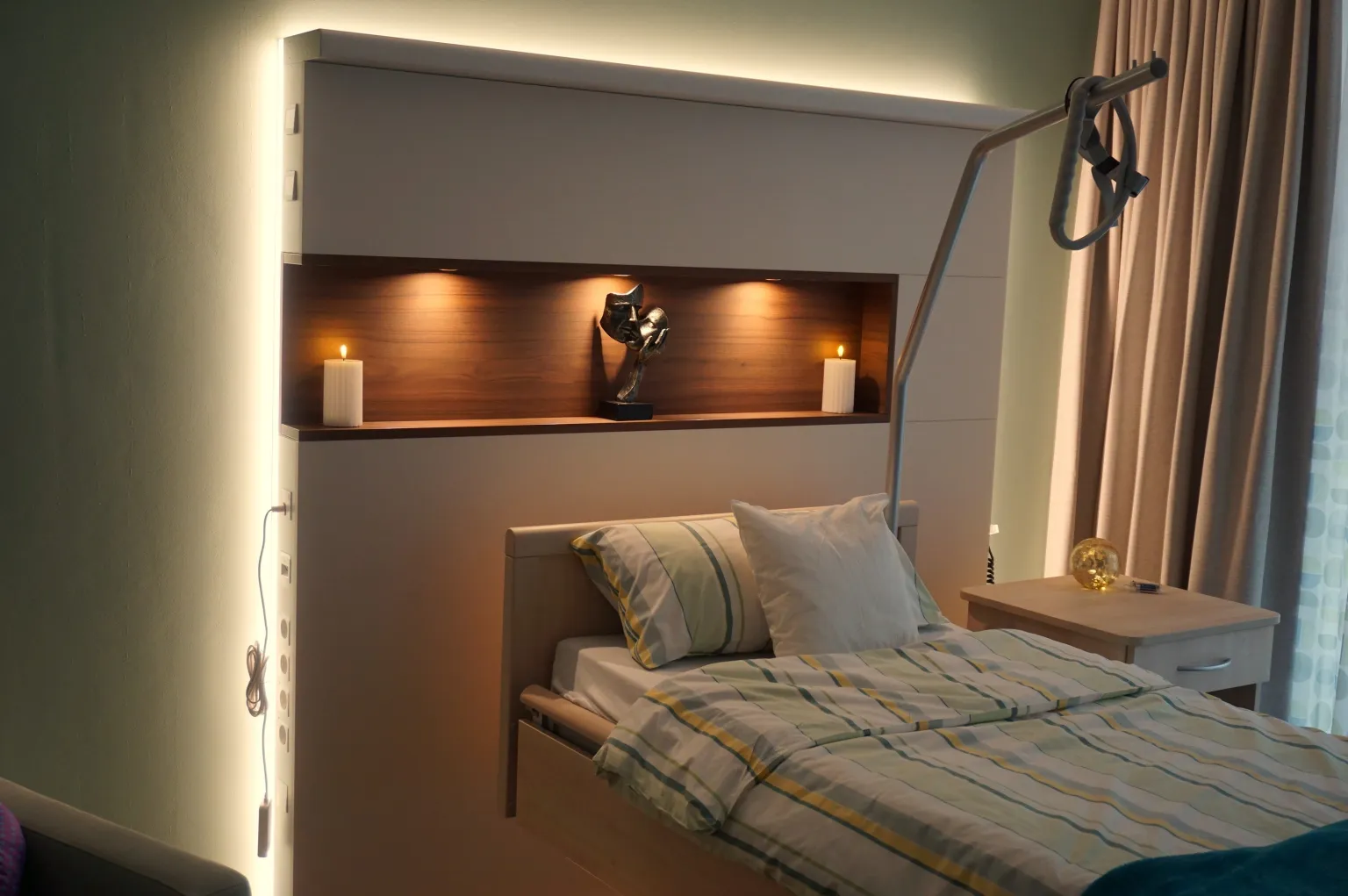
At the intersections of the hallways, the nurses’ stations are highlighted by a higher light level; within the station, the light level is bright and clear to suit the visual task. In the patient room, we give the patient the choice to adjust the lighting to their mood and state of health. Using a simple control at the head of the bed, the general lighting and an additional reading light can be individually adjusted to meet their needs.
This is made possible by integrating smart and innovative lighting technology, which is convenient while also reducing energy consumption and maintenance intervals.
Thank you very much, Mr. Beckert, for your answers.



Talk to us about your project or concern
Whether it's your initial idea or a concrete project, we'll provide you with personalized, committed advice with a holistic view. Contact us. We look forward to hearing from you.
Make contact
By people. For people.
If you are looking for
bedhead panel
you are at Schyns
precisely!