Blog post 1 of 2
Why the right lighting in a patient room is crucial
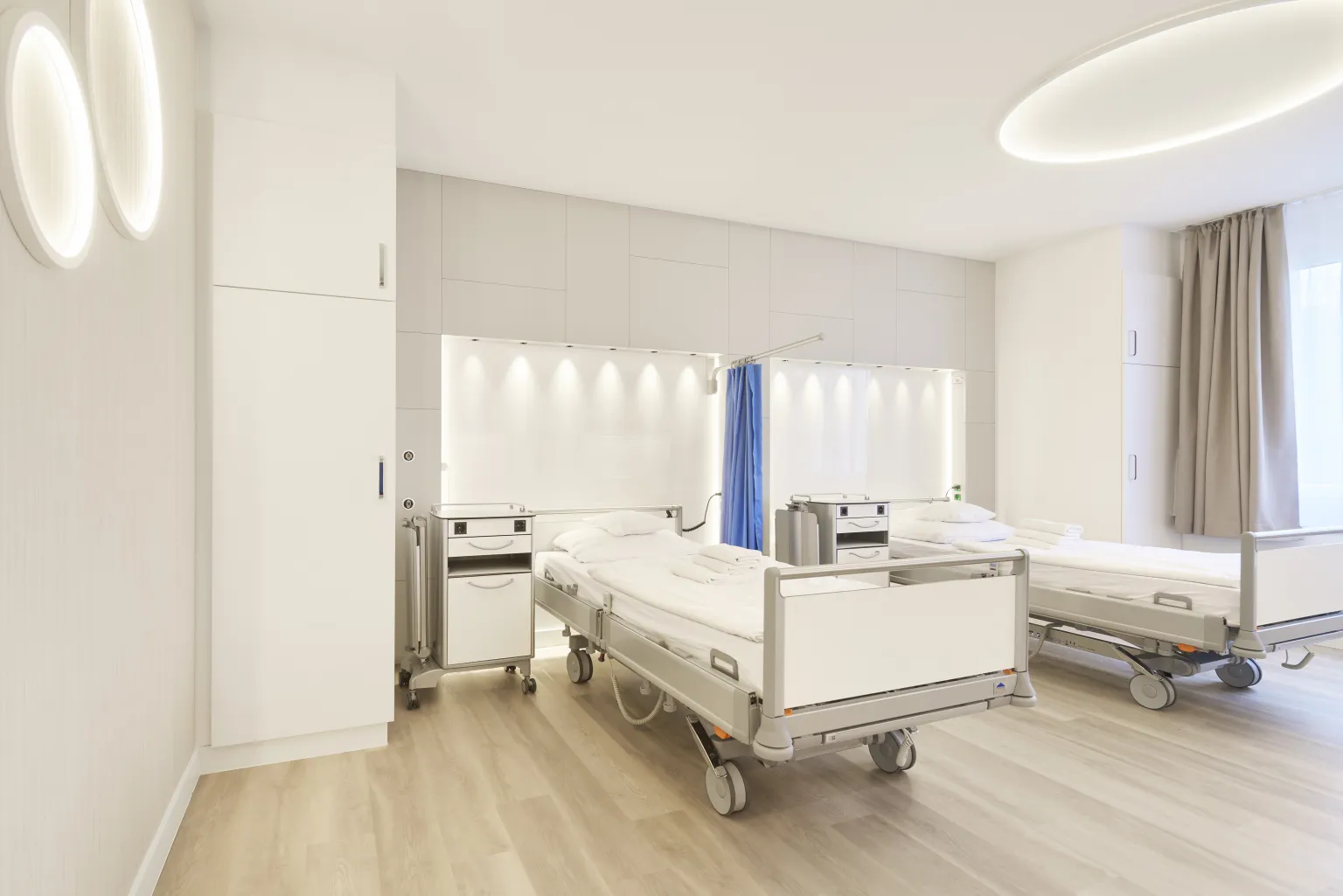
Lighting in patient rooms regulates the circadian rhythm, improves sleep, and promotes healing. HCL and acoustic design create a safe environment that is truly pleasant to be in.
Light that makes a difference
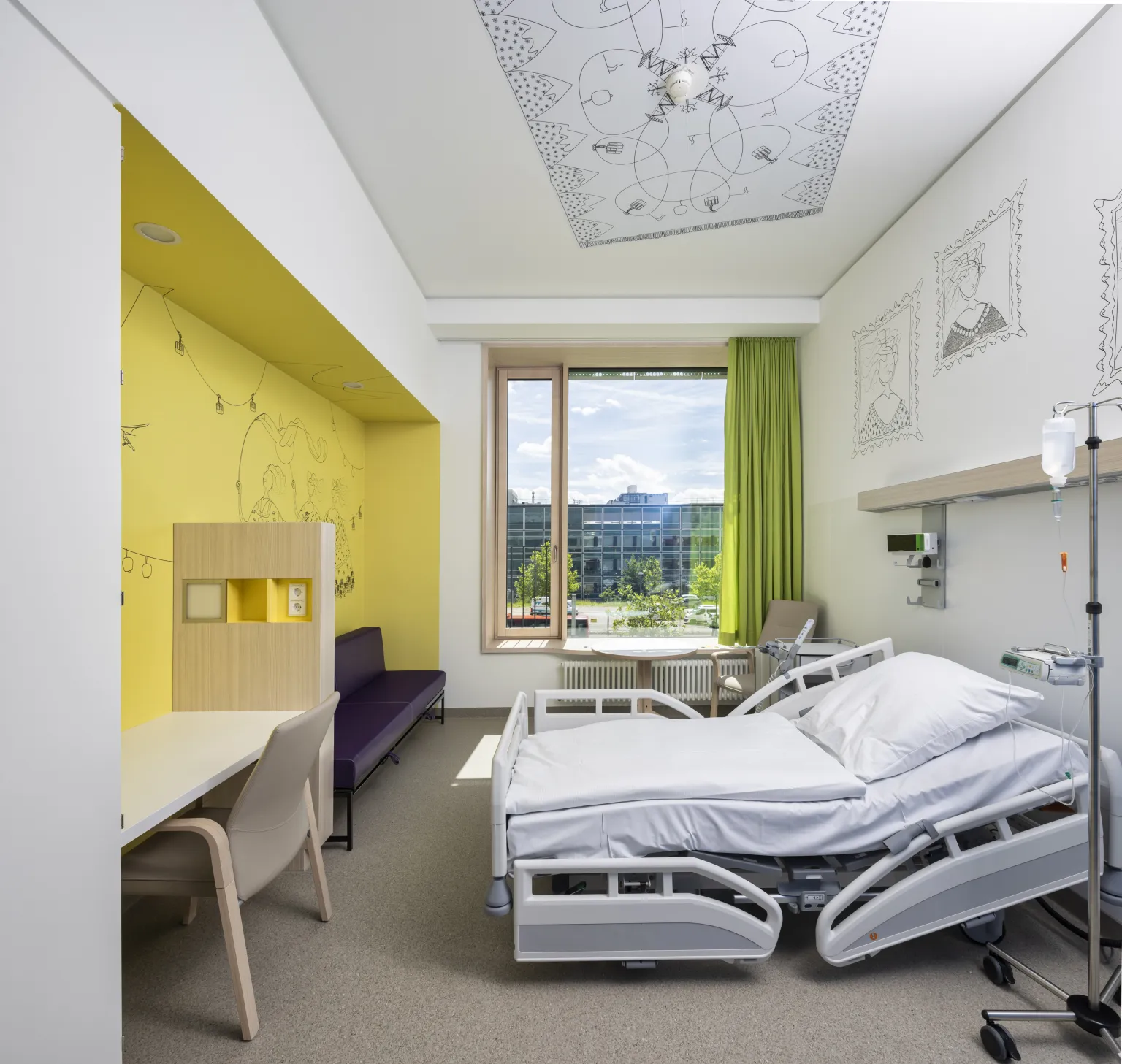
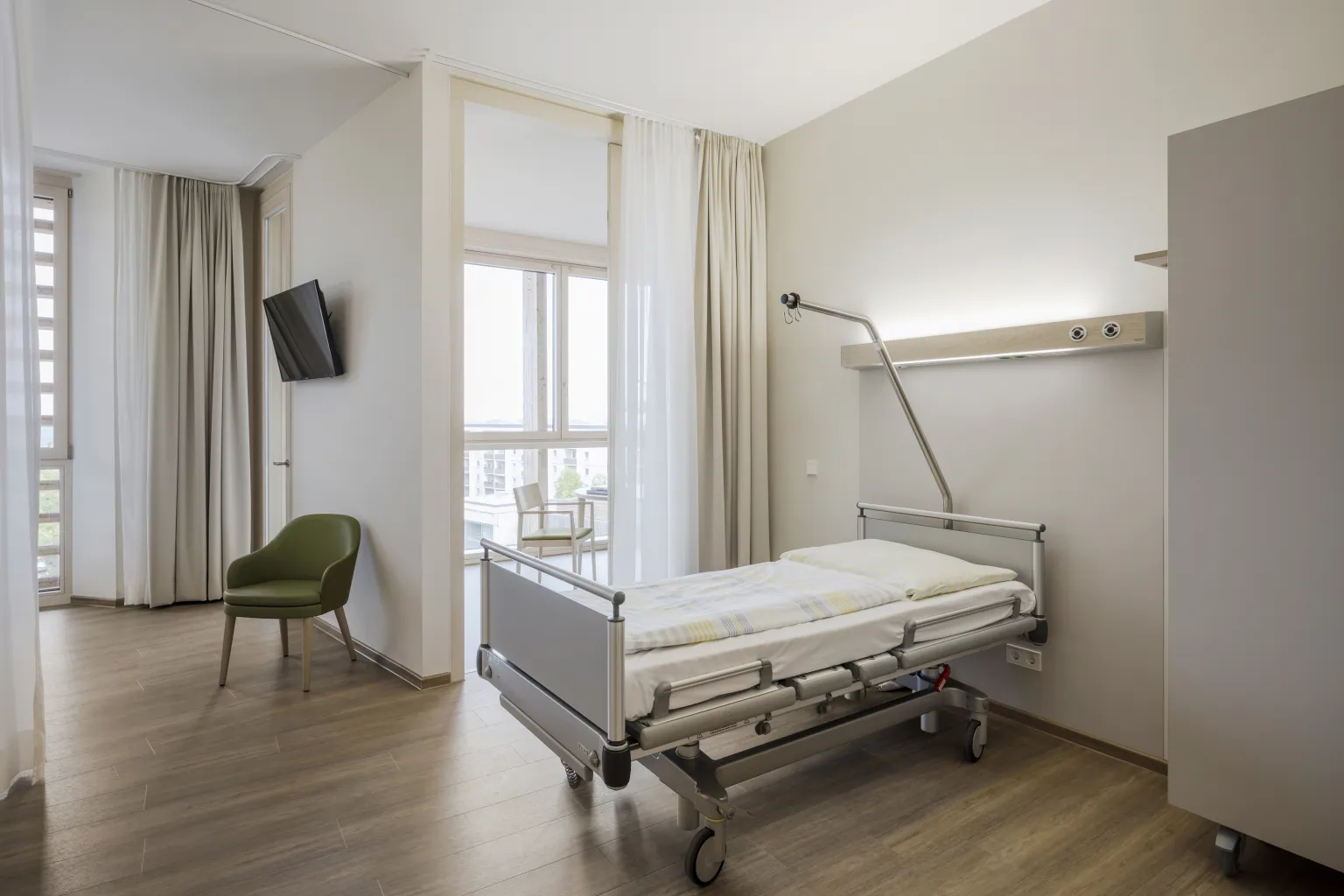
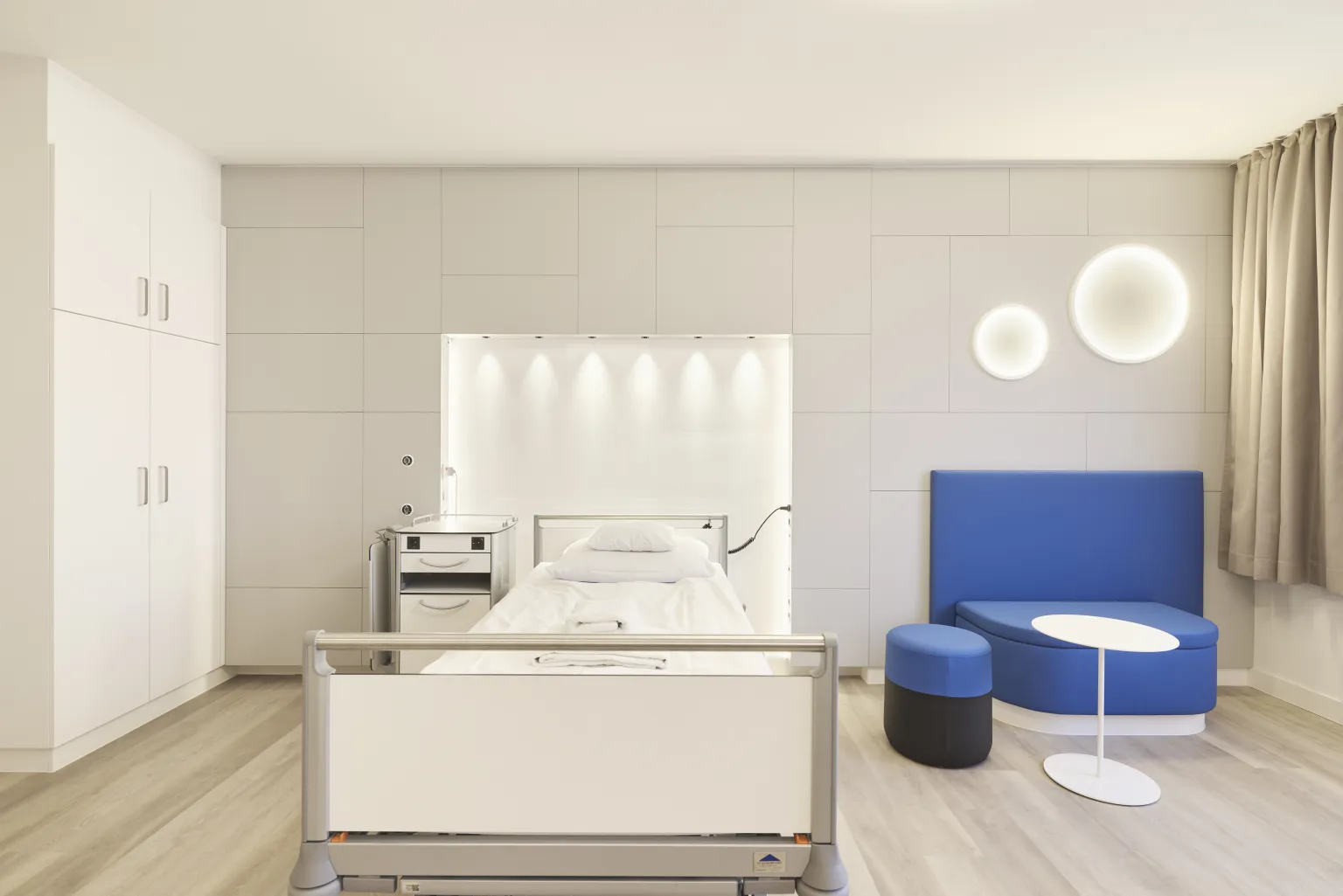
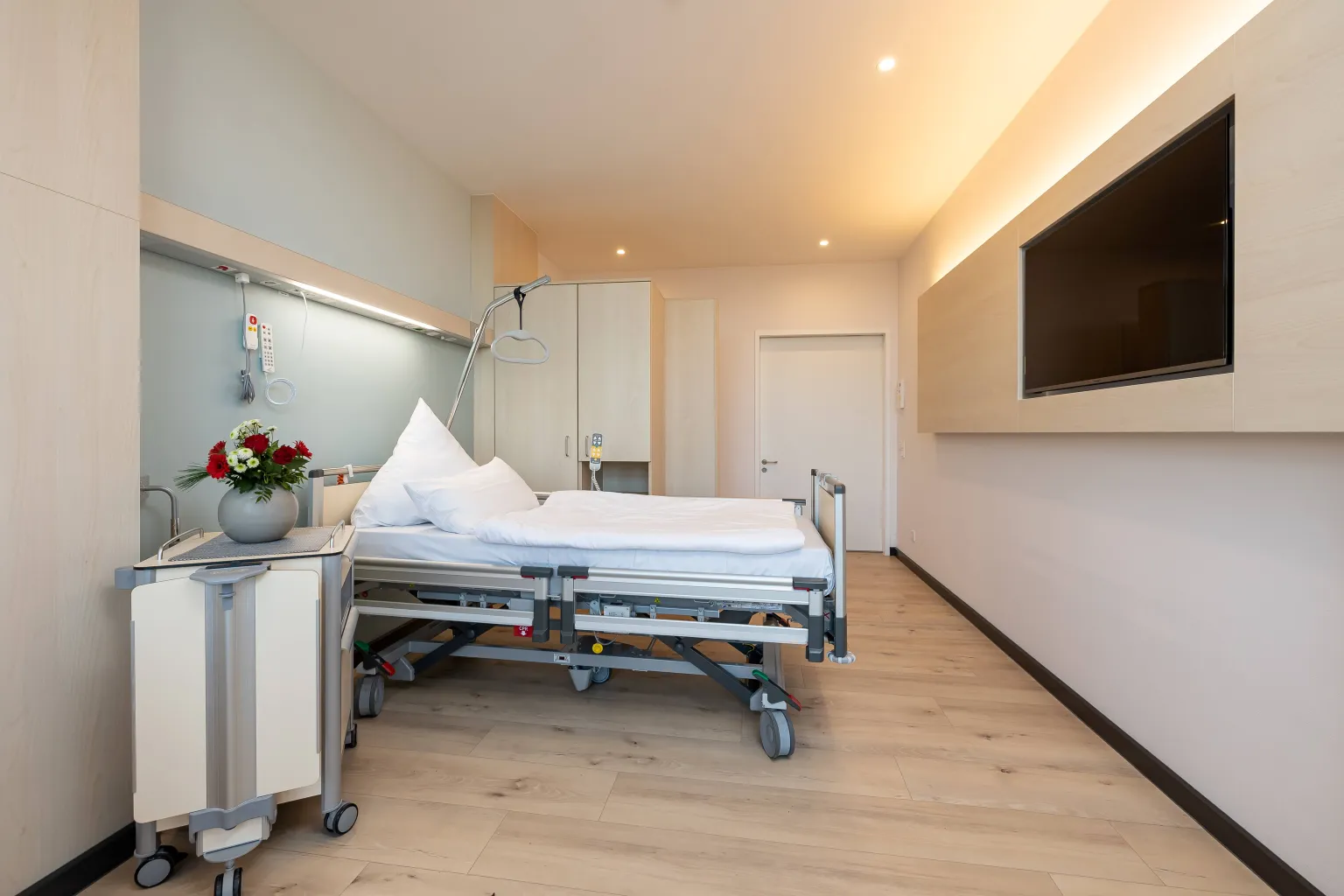
Proper lighting plays a central role in this: it supports the body’s natural rhythms, promotes sleep, and can accelerate the healing process. With concepts such as Human Centric Lighting, which mimics the natural course of the day, we create an atmosphere that conveys calm and a sense of security. In addition to light, acoustic stimuli are also crucial for designing a multisensory environment that transforms the space into a healing environment.
Light in the Patient Room – More Than Just Brightness
Part 1: Light in the Patient Room – More Than Just Brightness
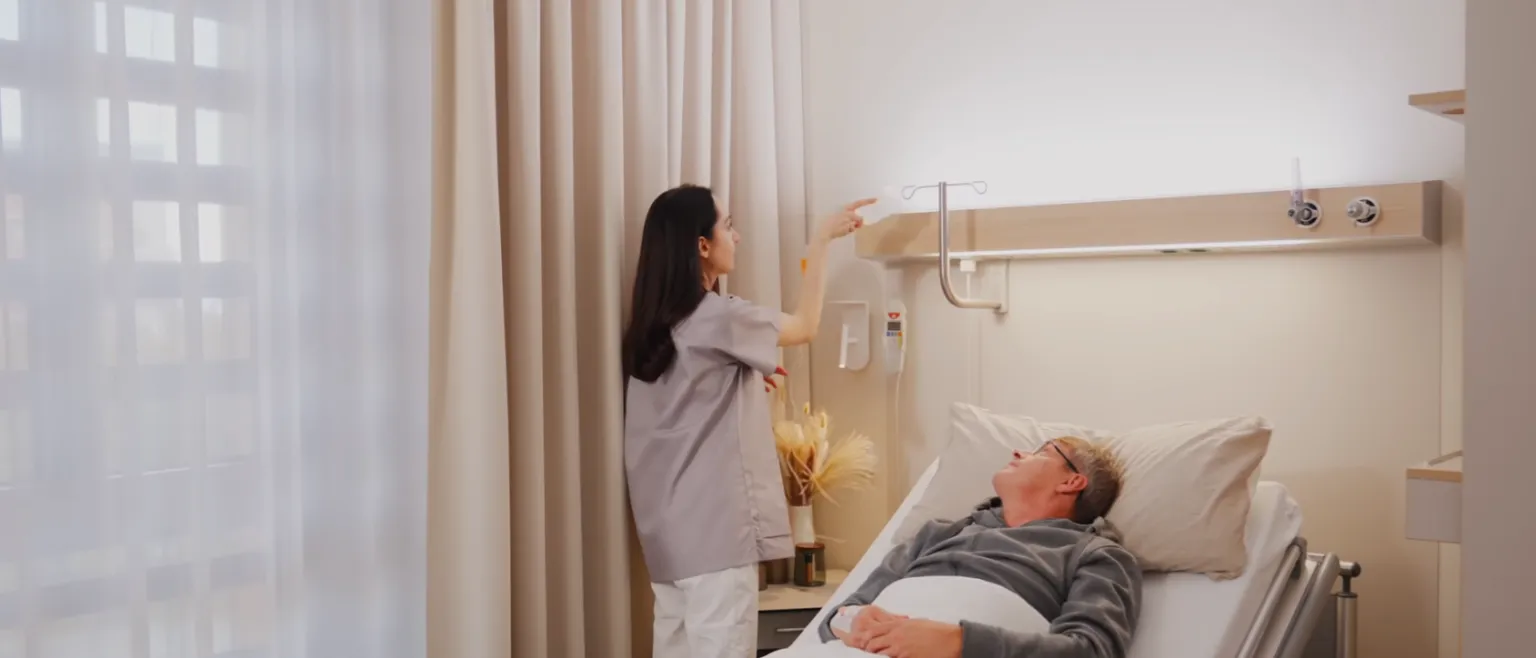
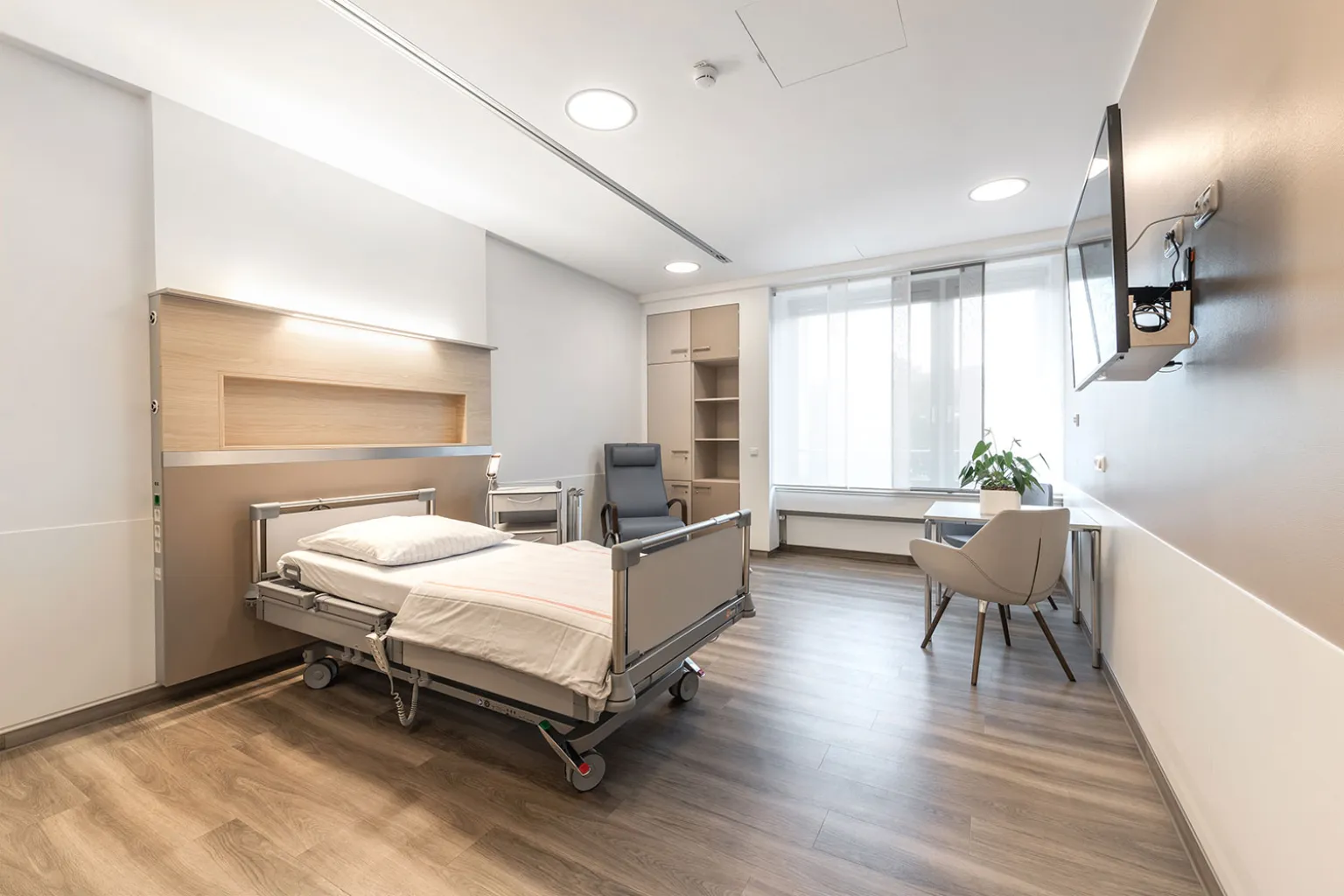
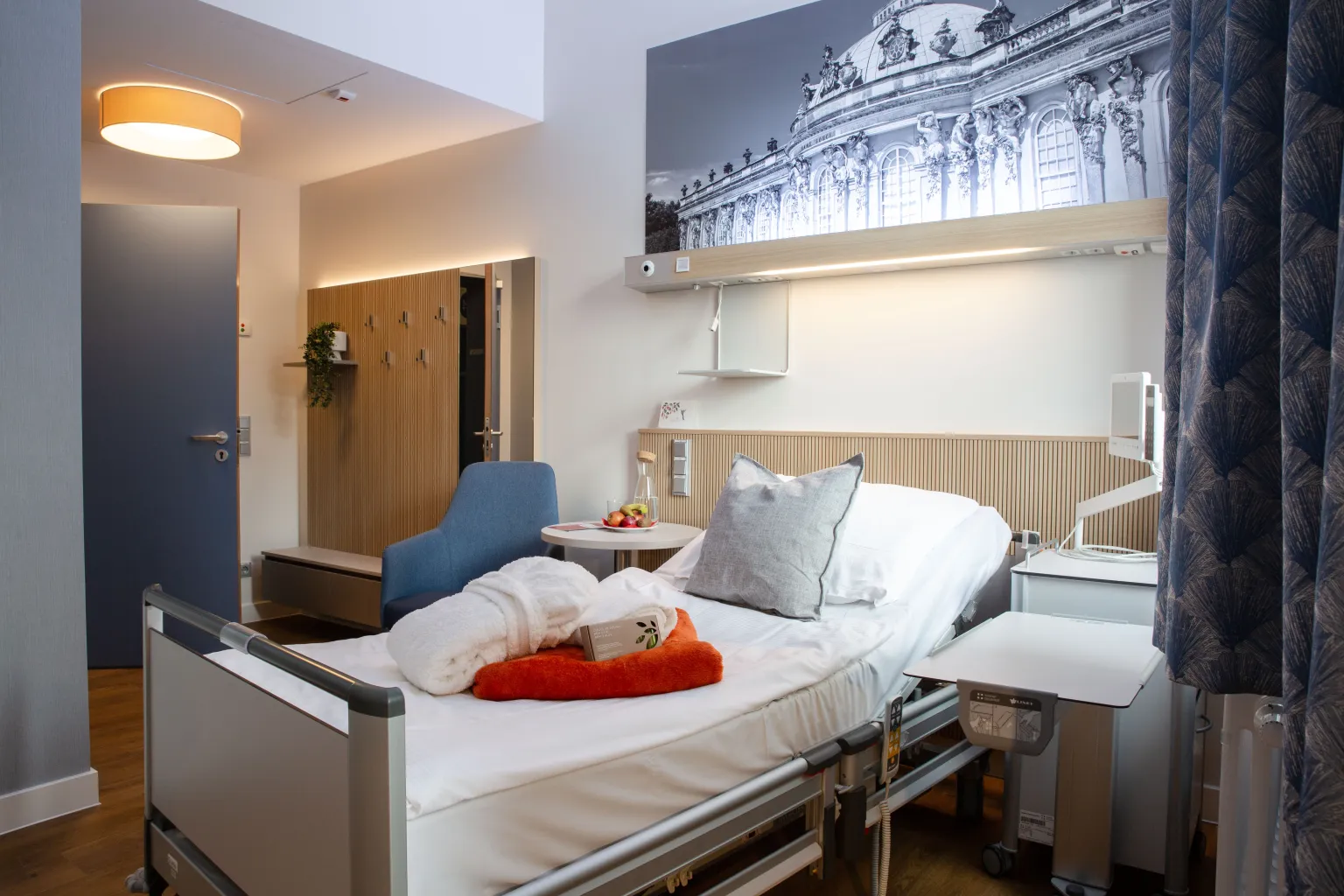
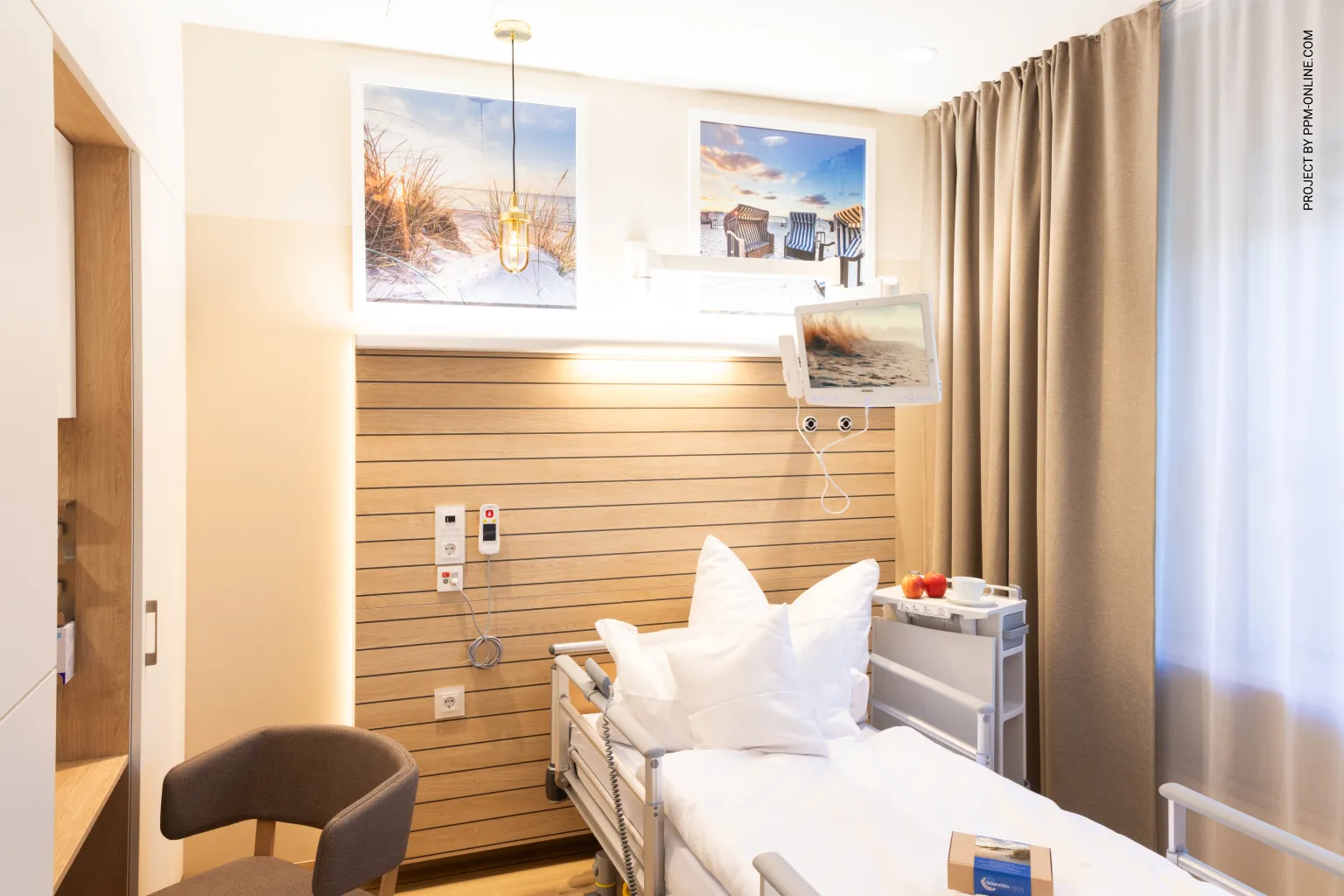
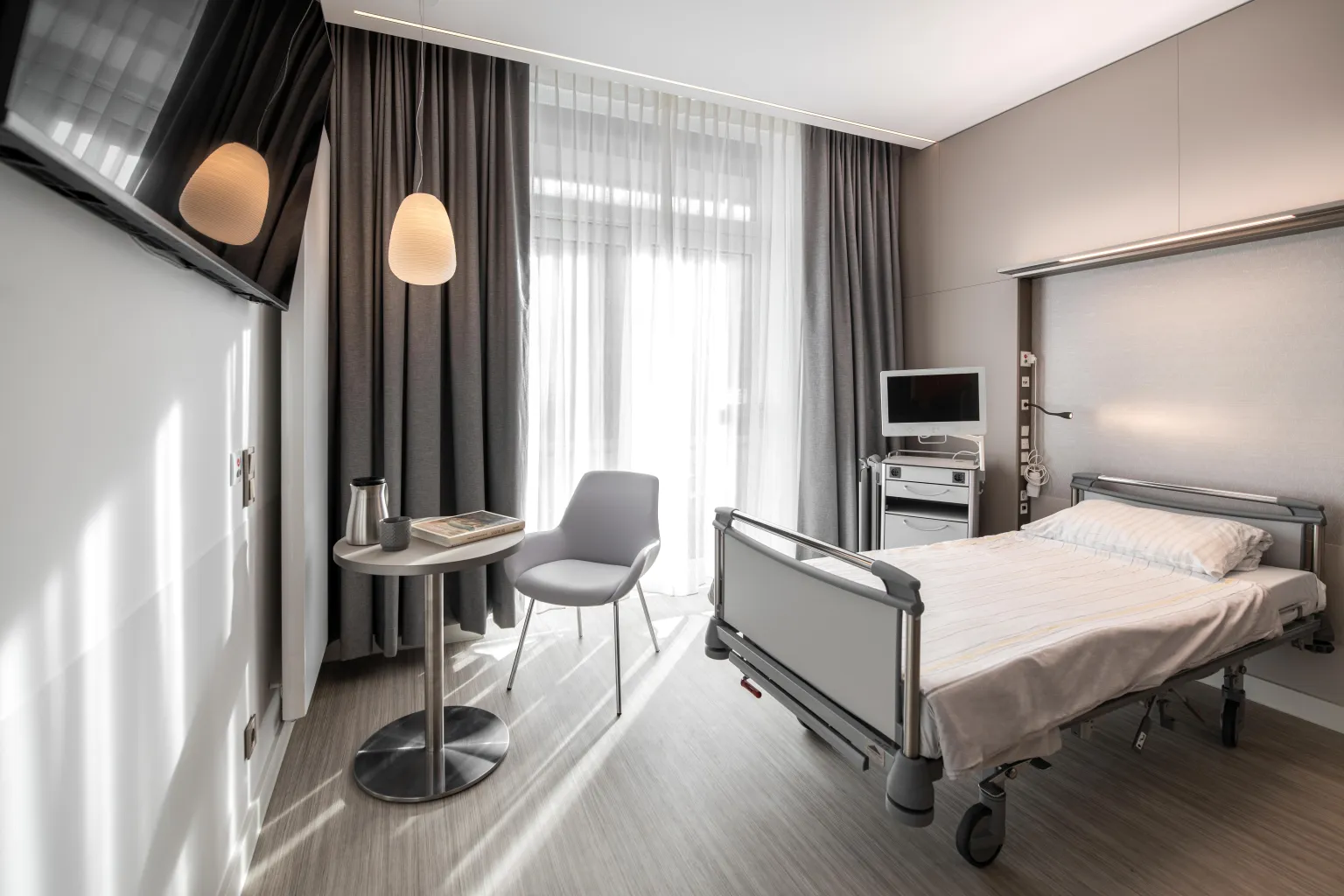
The patient room is a place where people heal, work, and recover. Careful design is necessary to ensure this space meets all these requirements. Light plays a key role in this—but the atmosphere is not shaped solely by visual impressions. Acoustic stimuli also influence whether a room conveys calm, comfort, and safety.
Lighting and Quality of Stay
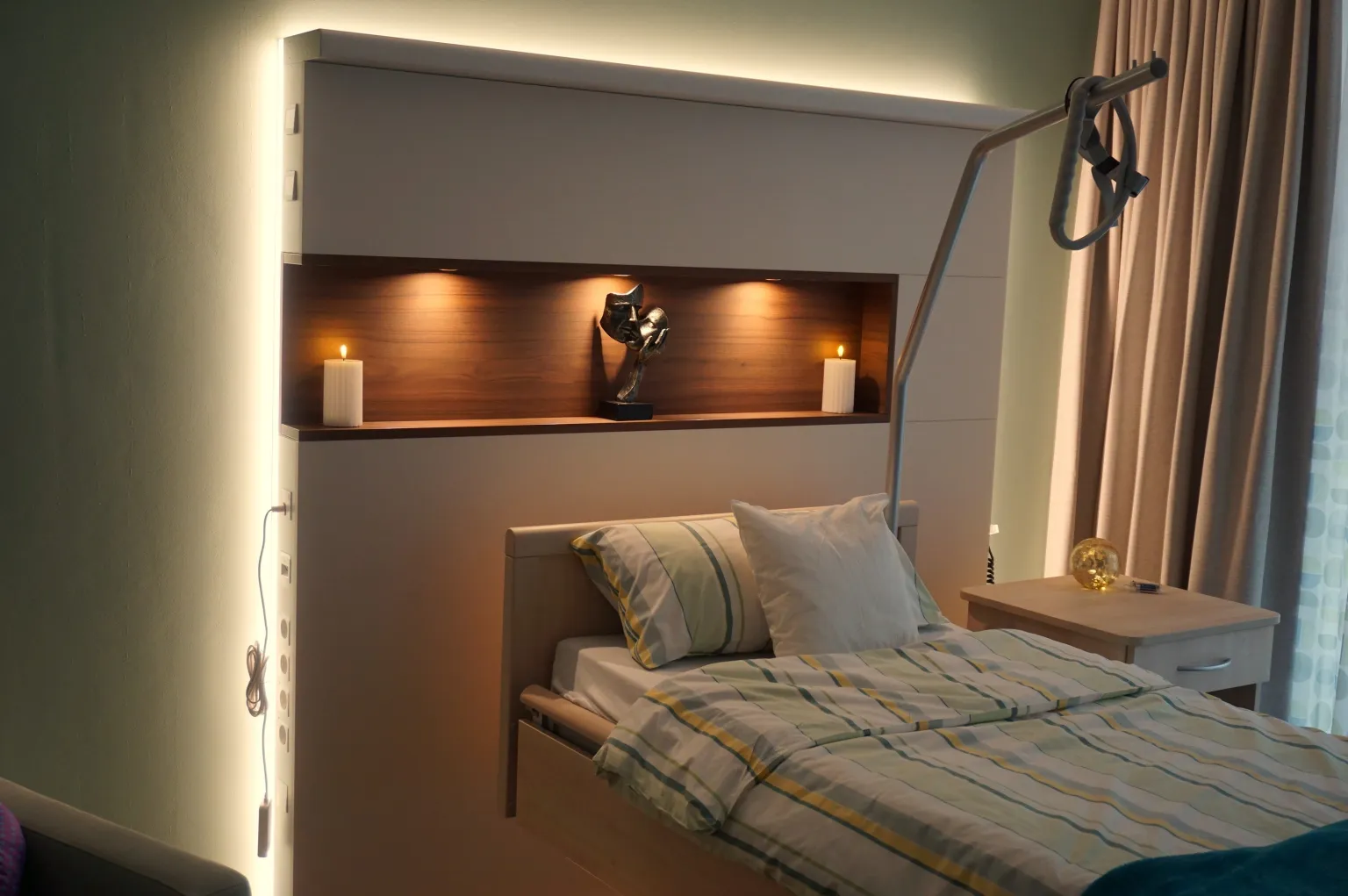
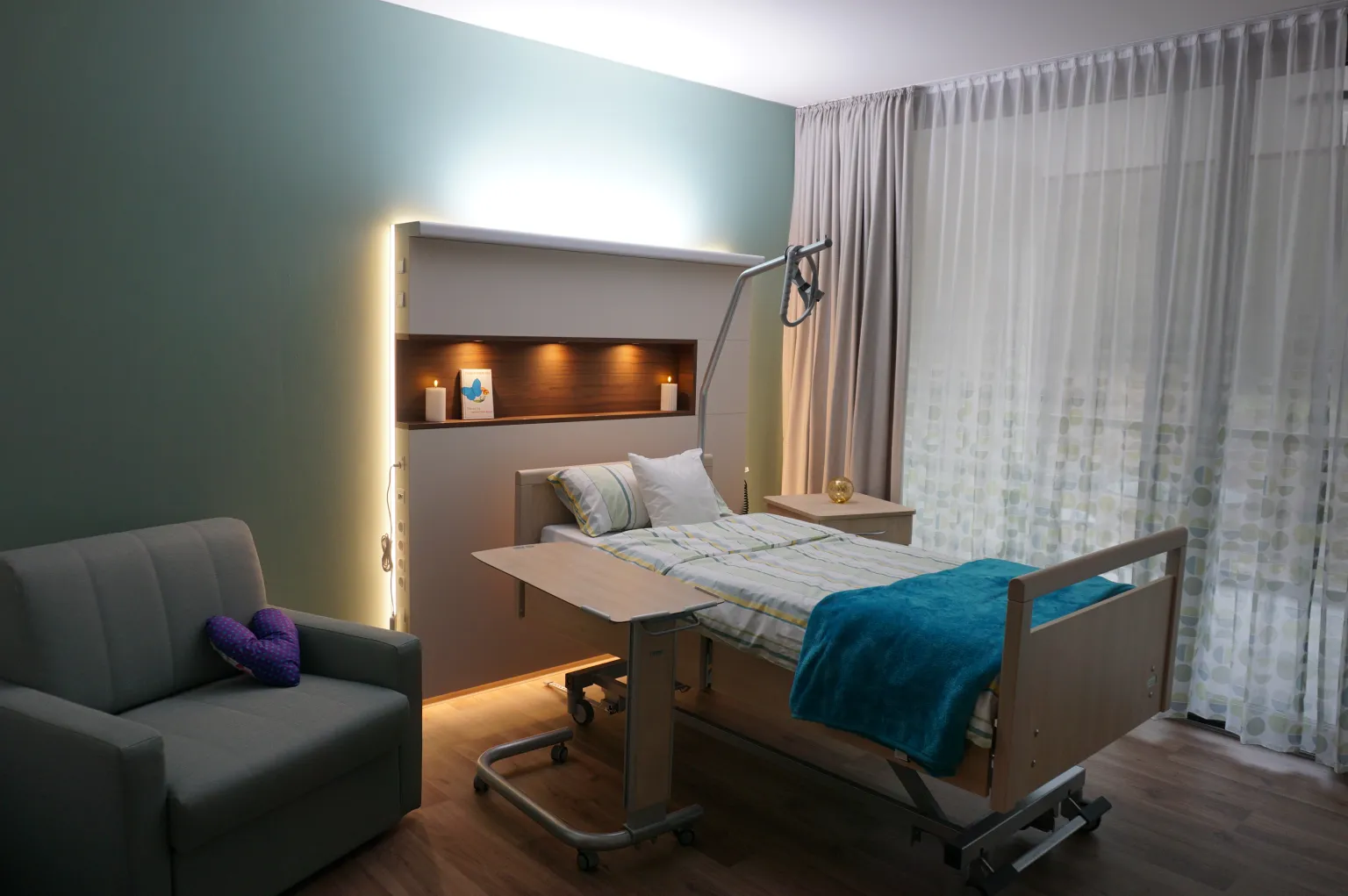
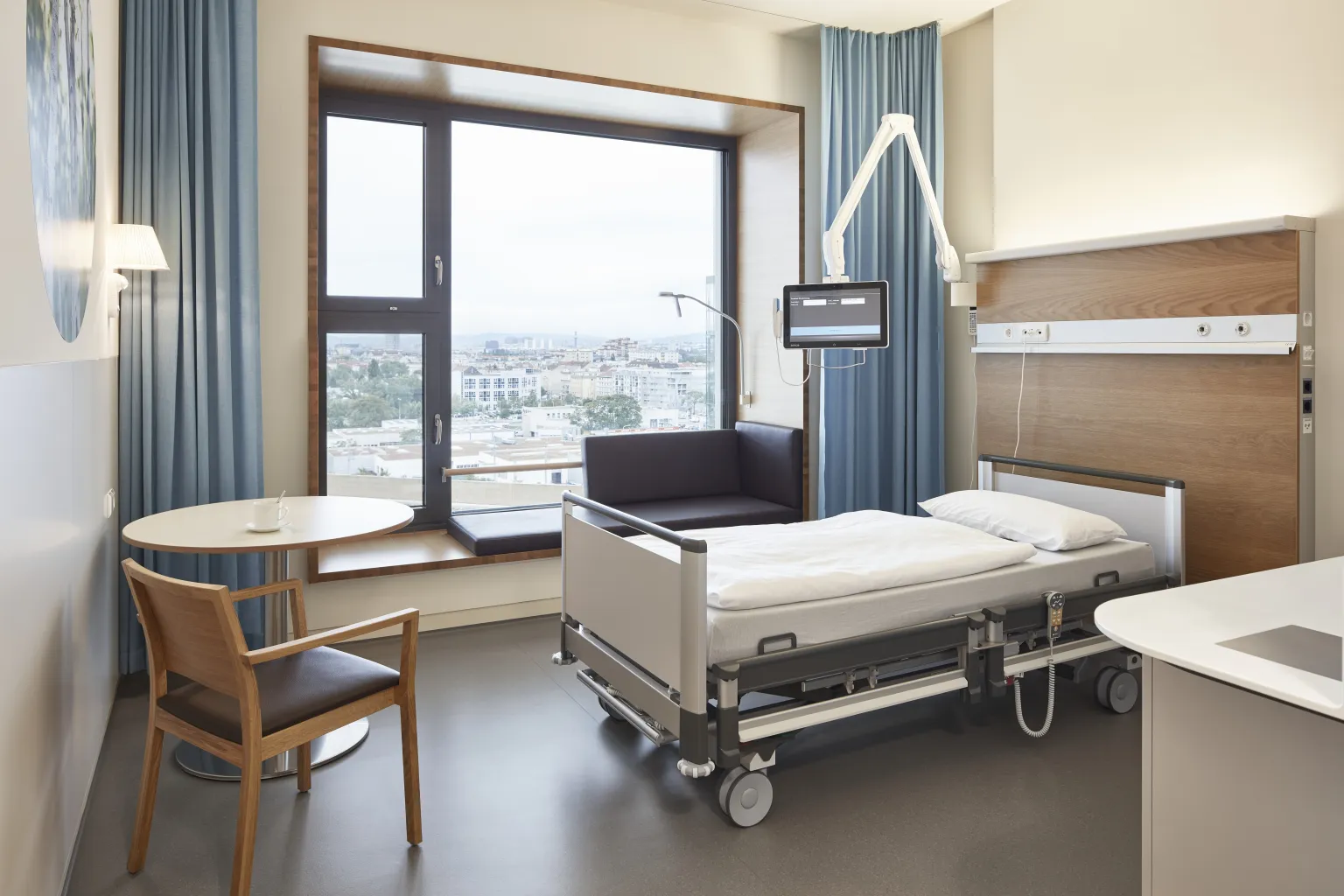
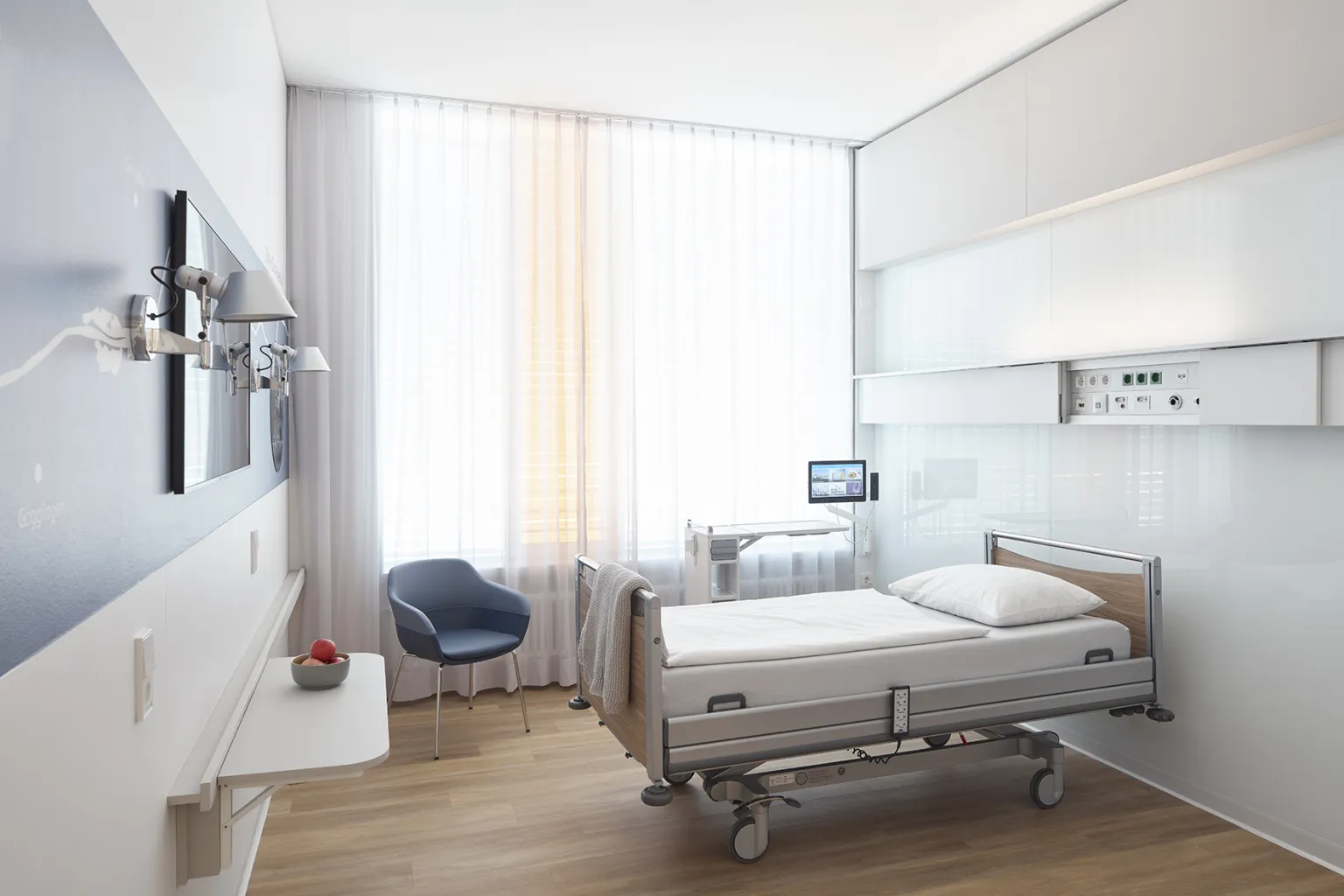
Well-designed lighting can significantly improve the quality of stay. Daylight-oriented concepts and coordinated artificial lighting solutions support the circadian rhythm, promote sleep, and accelerate healing processes. Human Centric Lighting (HCL) is particularly effective here: dynamic lighting that mimics the natural progression of daylight. Energizing in the morning, calming in the evening—exactly what patients need for a stable internal clock and better sleep.
Medical Requirements
DIN EN 12464-1 establishes the following guidelines:
100–300 lux for general activities and orientation, 300 lux for reading, 500 lux for nursing care and up to 1000 lux in special cases for medical examinations
Healing Architecture – A Multisensory Approach
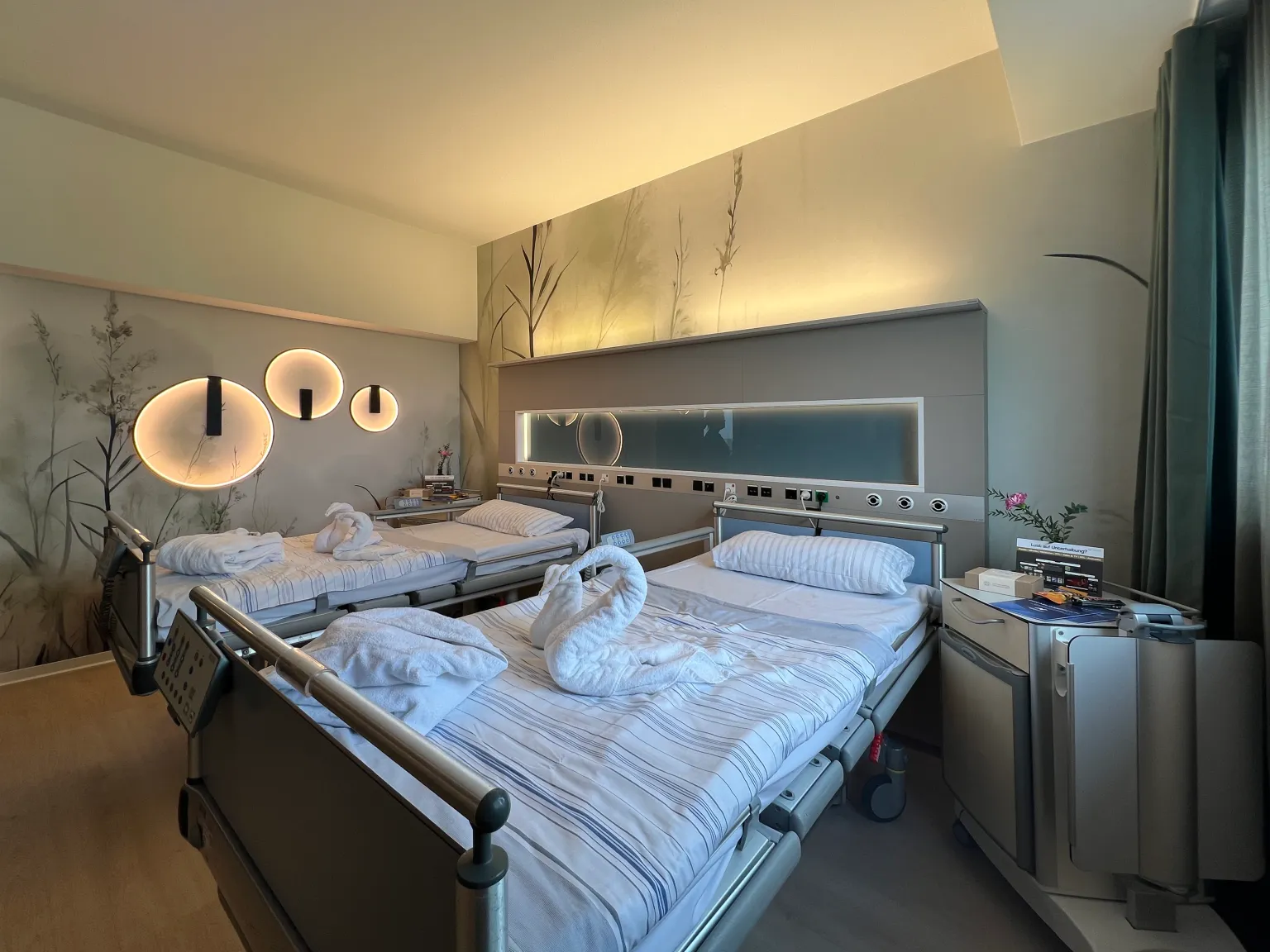
Architects know that spaces can have a healing effect when they appeal to all the senses. Light influences mood and orientation, while strategically used sound or soundproofing creates the necessary tranquility. Together, this creates a multisensory design that transforms the patient room from a purely functional space into a living environment that supports healing.










Talk to us about your project or concern
Whether it's your initial idea or a concrete project, we'll provide you with personalized, committed advice with a holistic view. Contact us. We look forward to hearing from you.
Make contact
By people. For people.
If you are looking for
bedhead panel
you are at Schyns
precisely!