Blog Post Part 2 of 2
Optimizing Patient Rooms with HCL and Multisensory Design
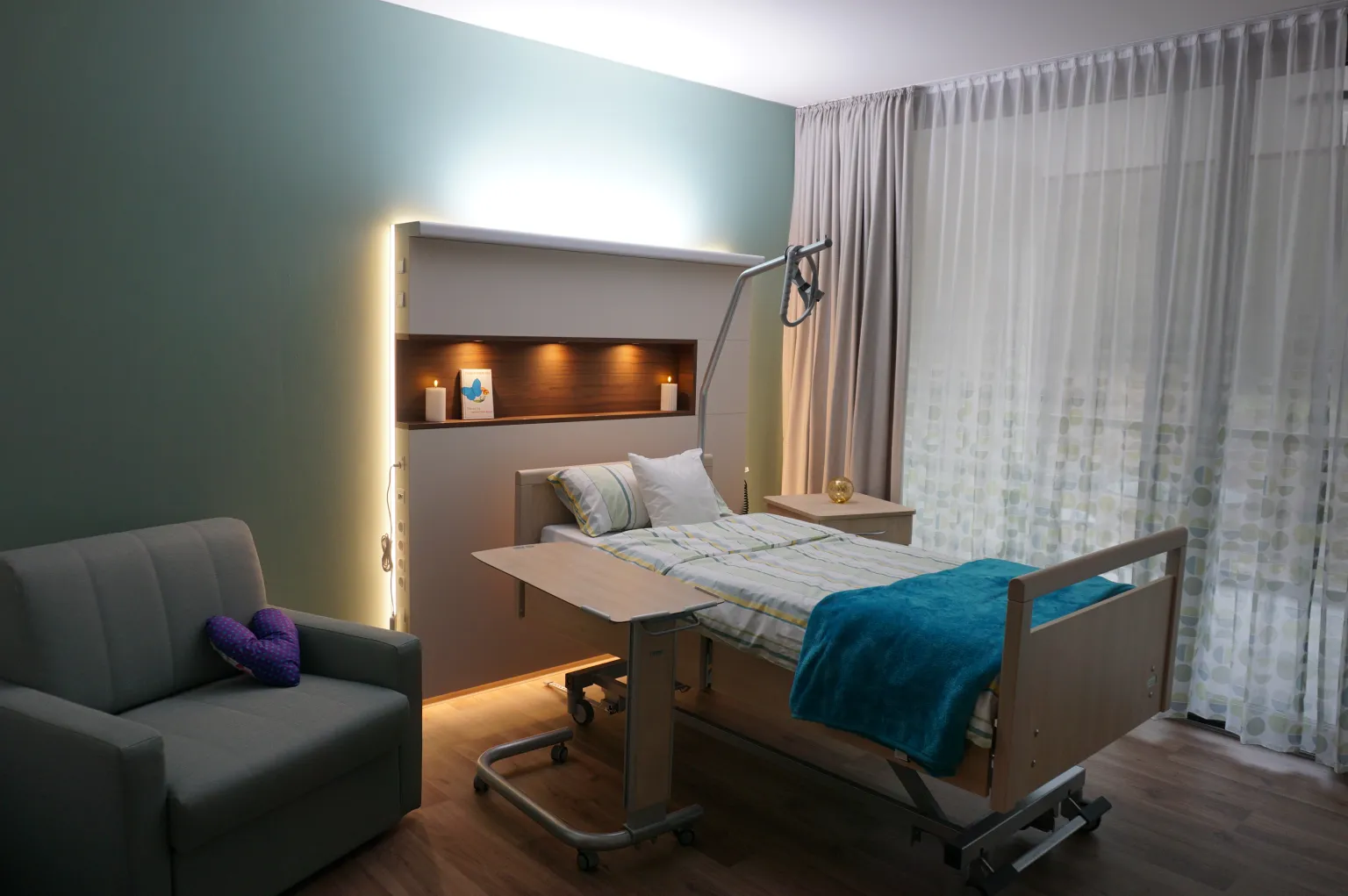
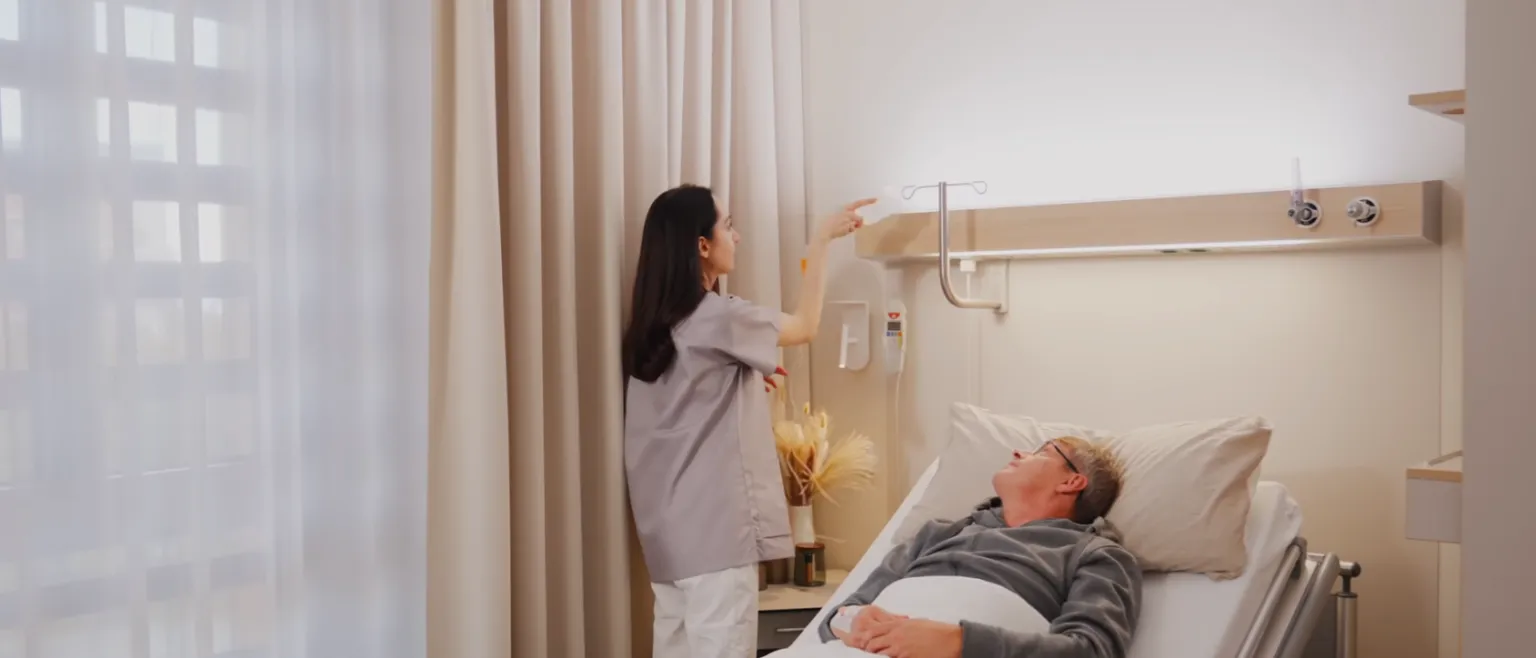
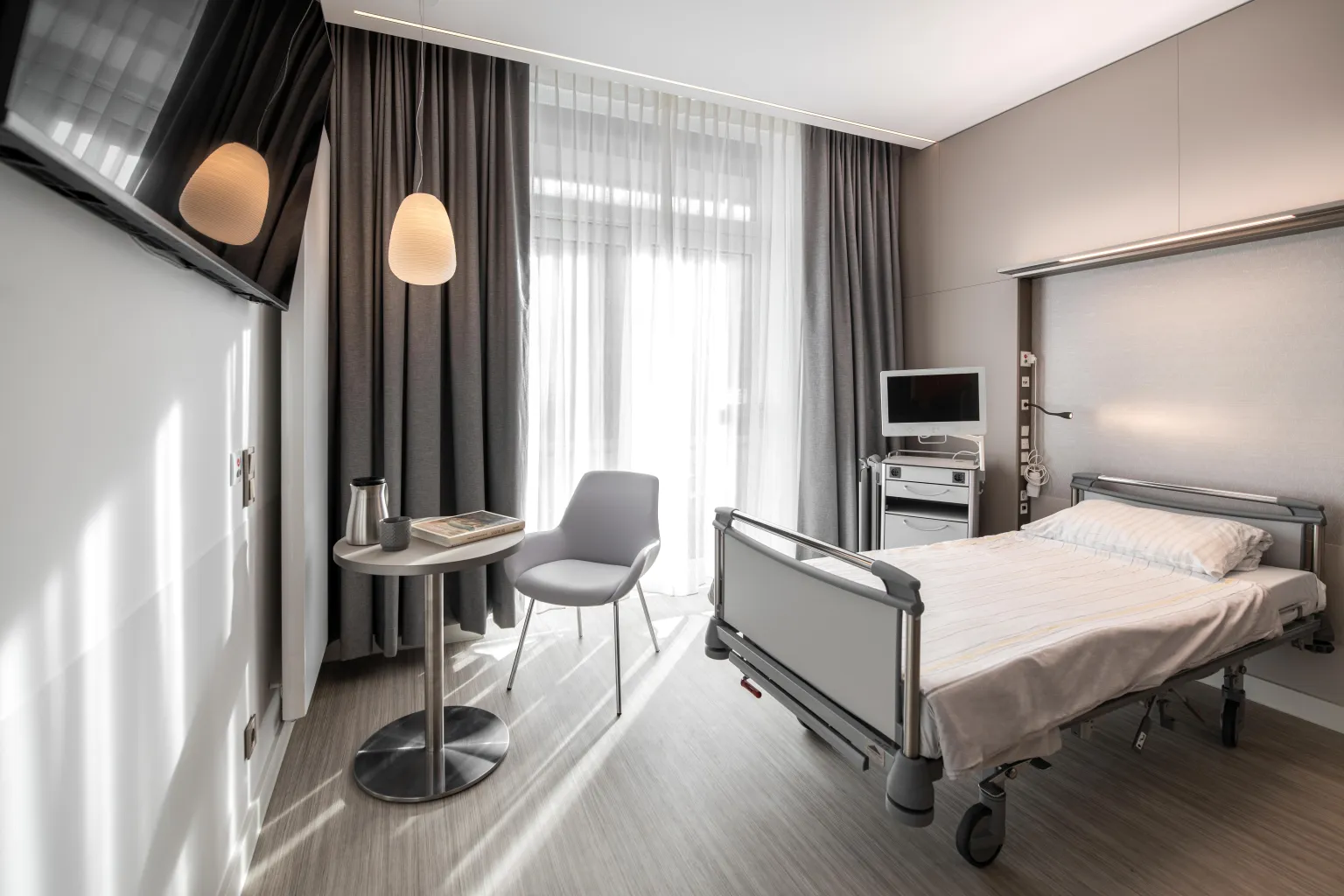
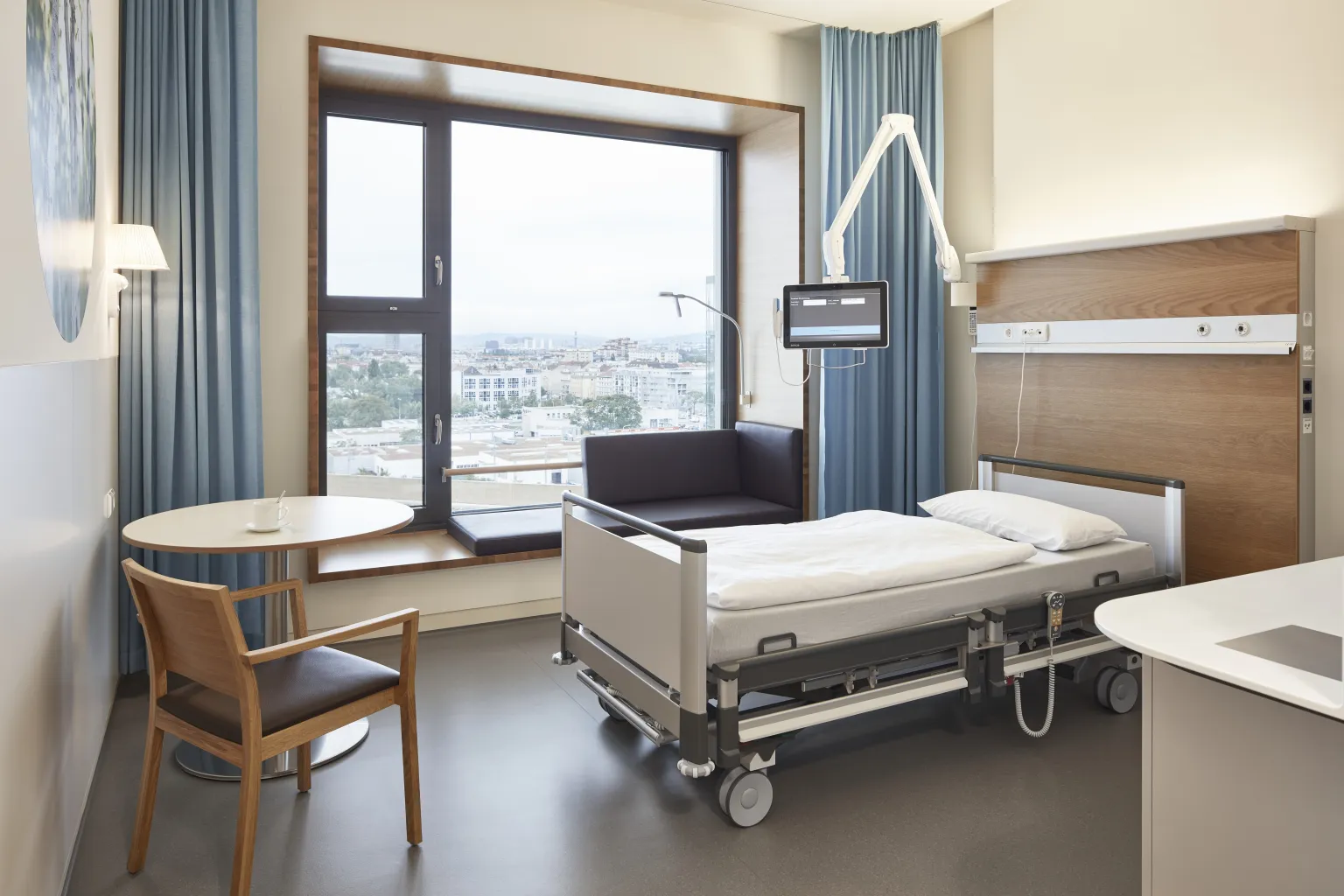
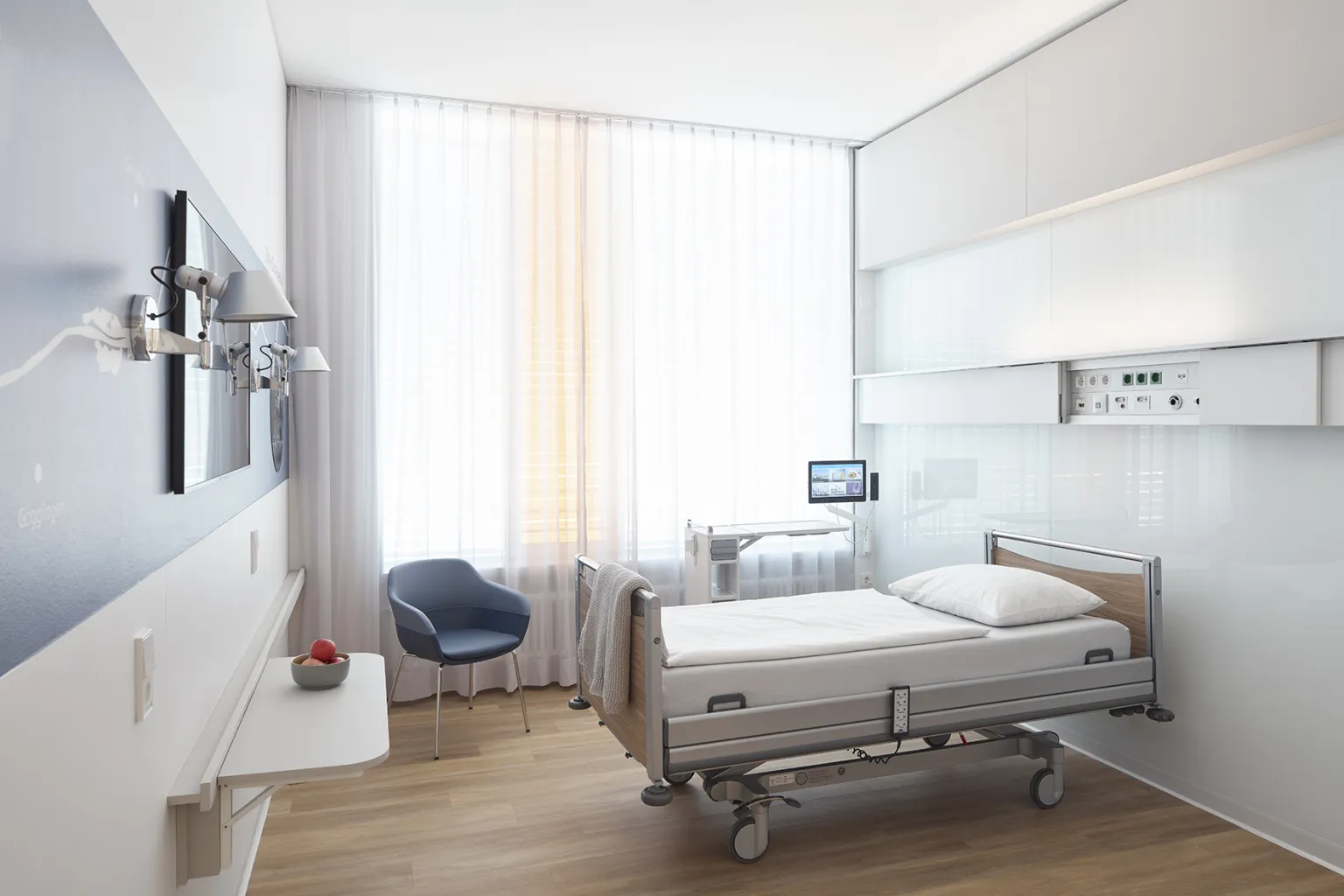
A well-thought-out spatial concept in the healthcare sector combines lighting quality, circadian rhythms, acoustic design, and architectural clarity.
Standard Meets Design
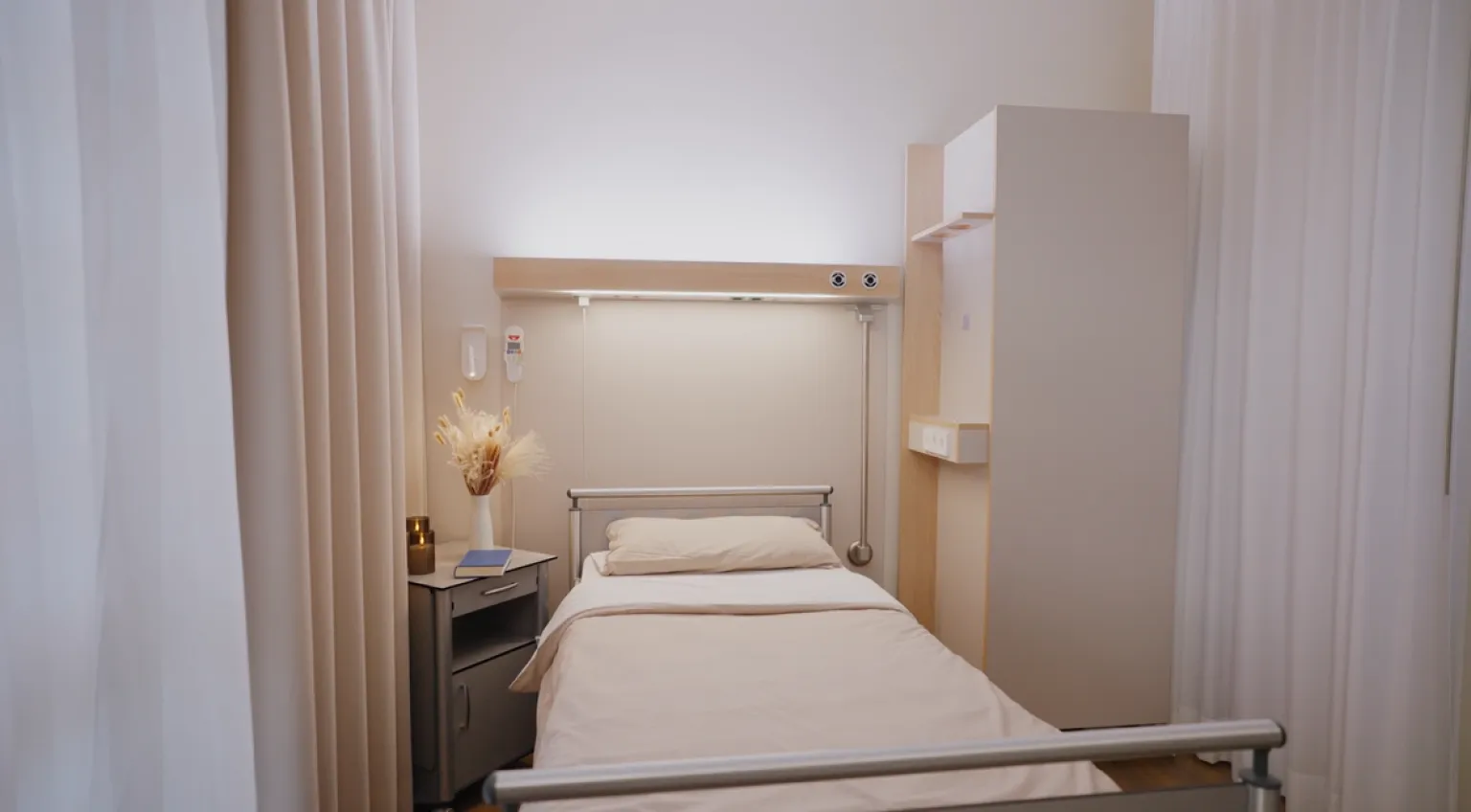
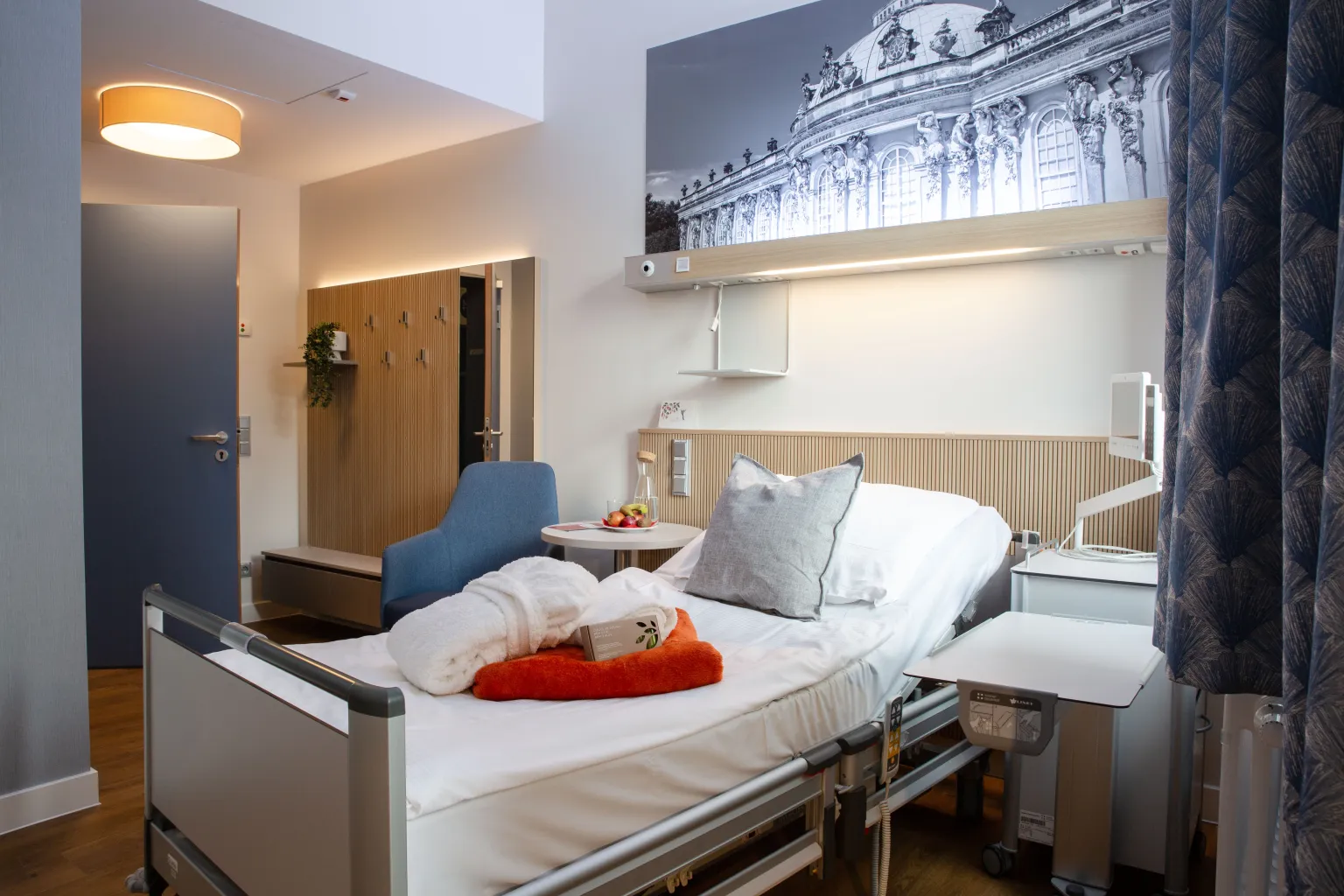
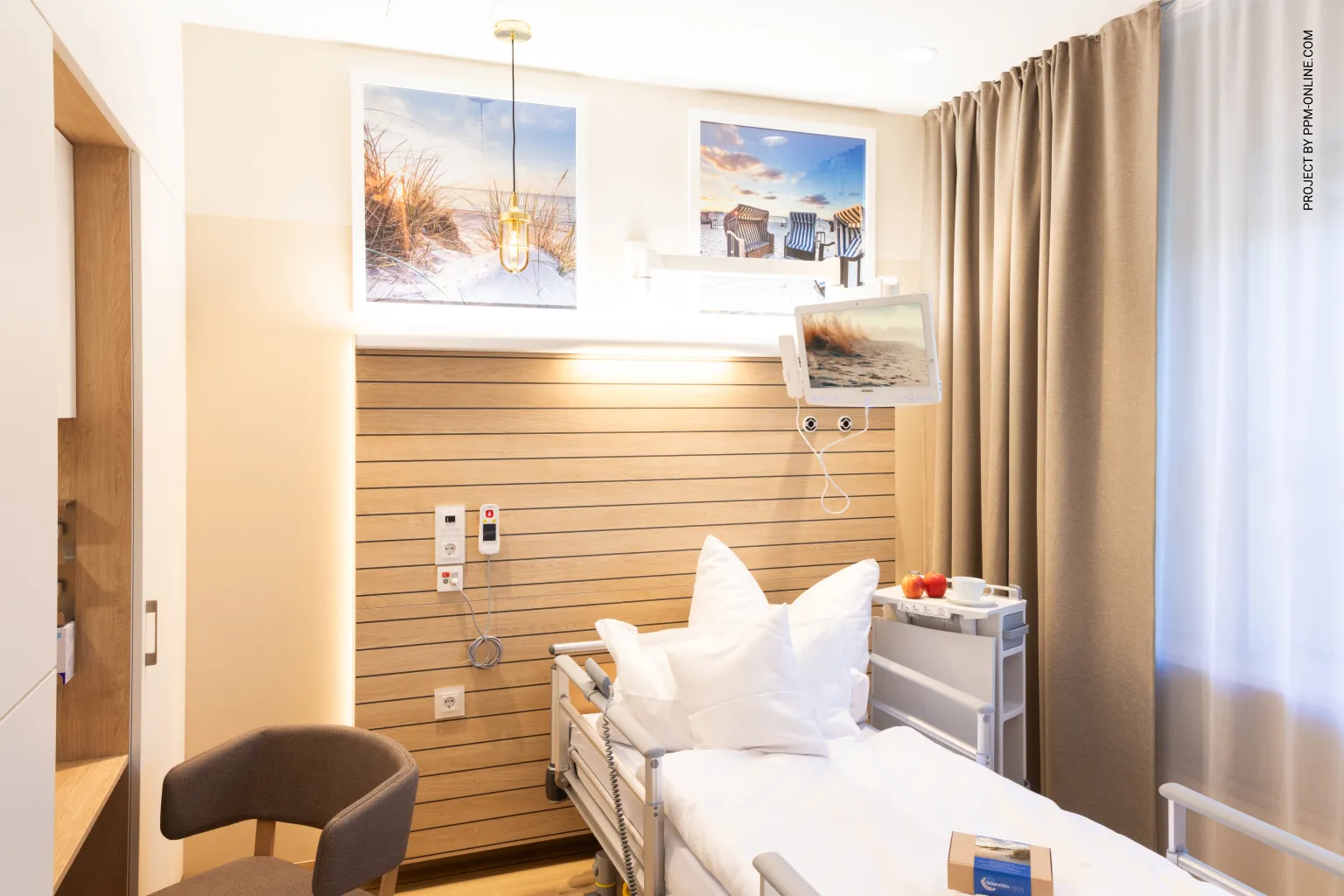
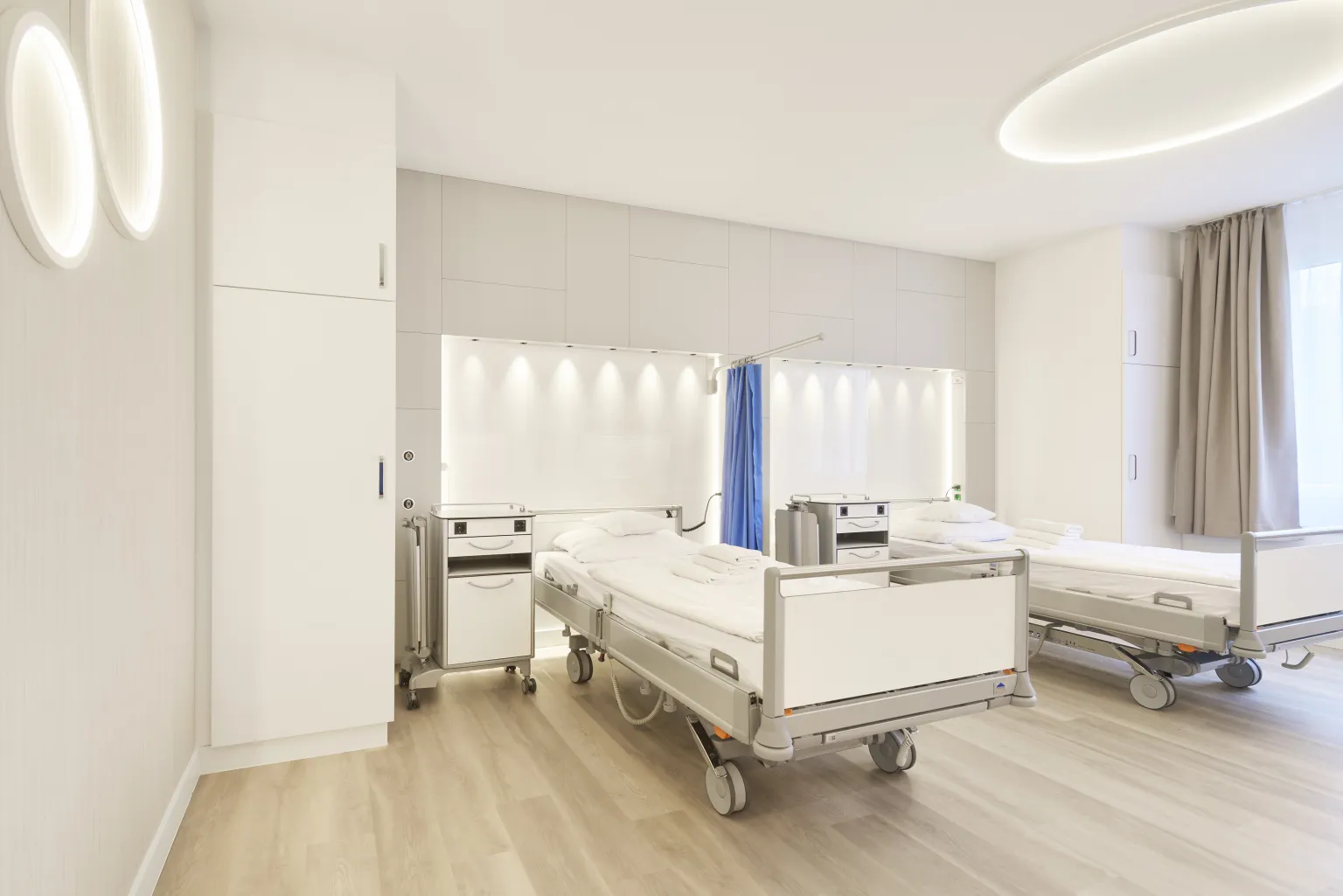
It creates an environment that supports medical processes while promoting well-being. The four pillars of modern lighting design include general lighting, functional examination lighting, individually controllable patient lighting, and Human Centric Lighting (HCL), which mimics the natural course of the day. In addition, acoustic elements create a calm atmosphere that can reduce stress and promote healing. Innovative solutions such as the Schyns S130 medical lighting unit combine function and design to create spaces that are compliant with standards, promote healing, and are pleasant. The result: spaces that provide patients with a sense of security, relieve staff, and support recovery.
From Standards to Healing Architecture – How Light and Acoustics Interact
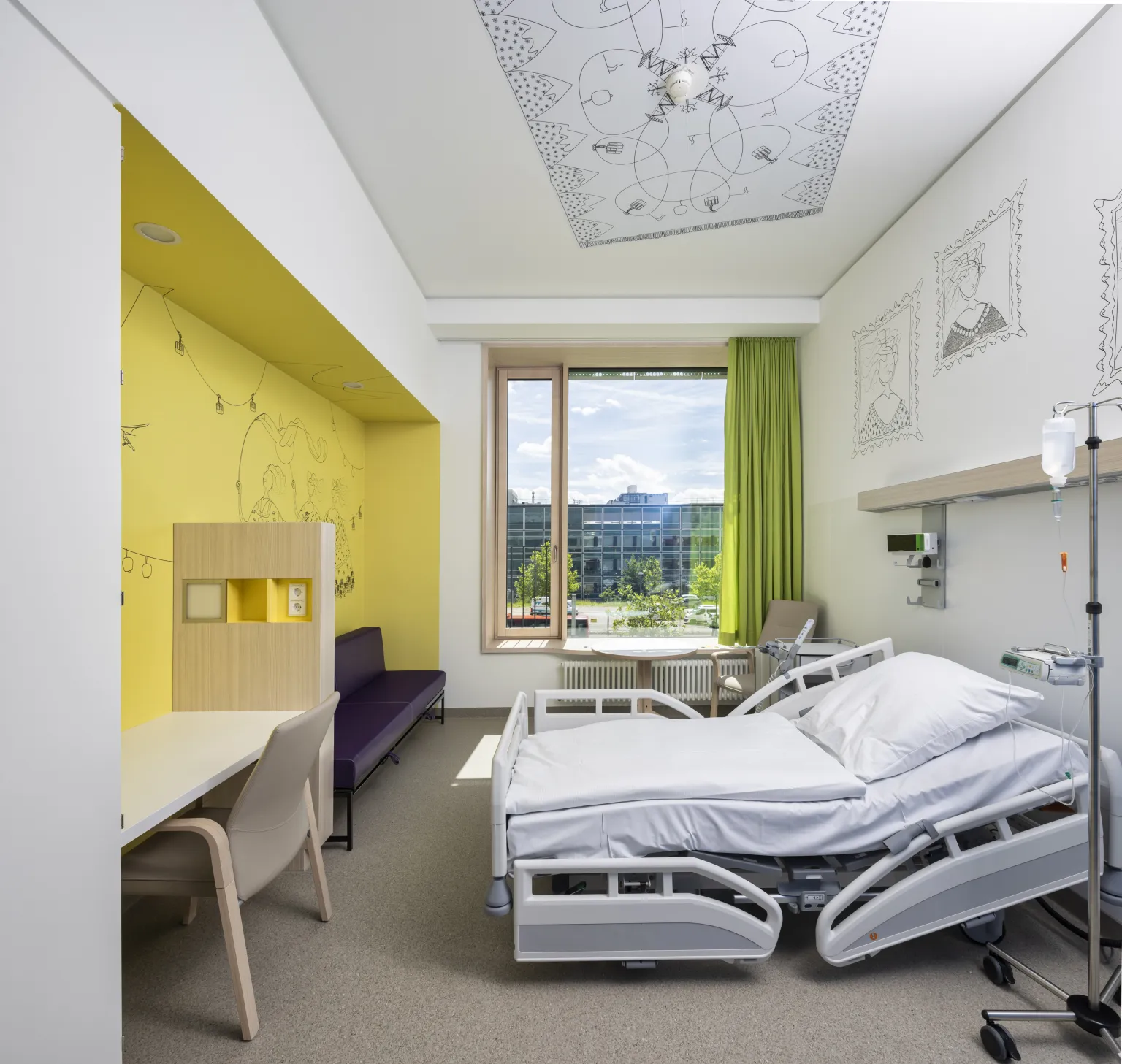
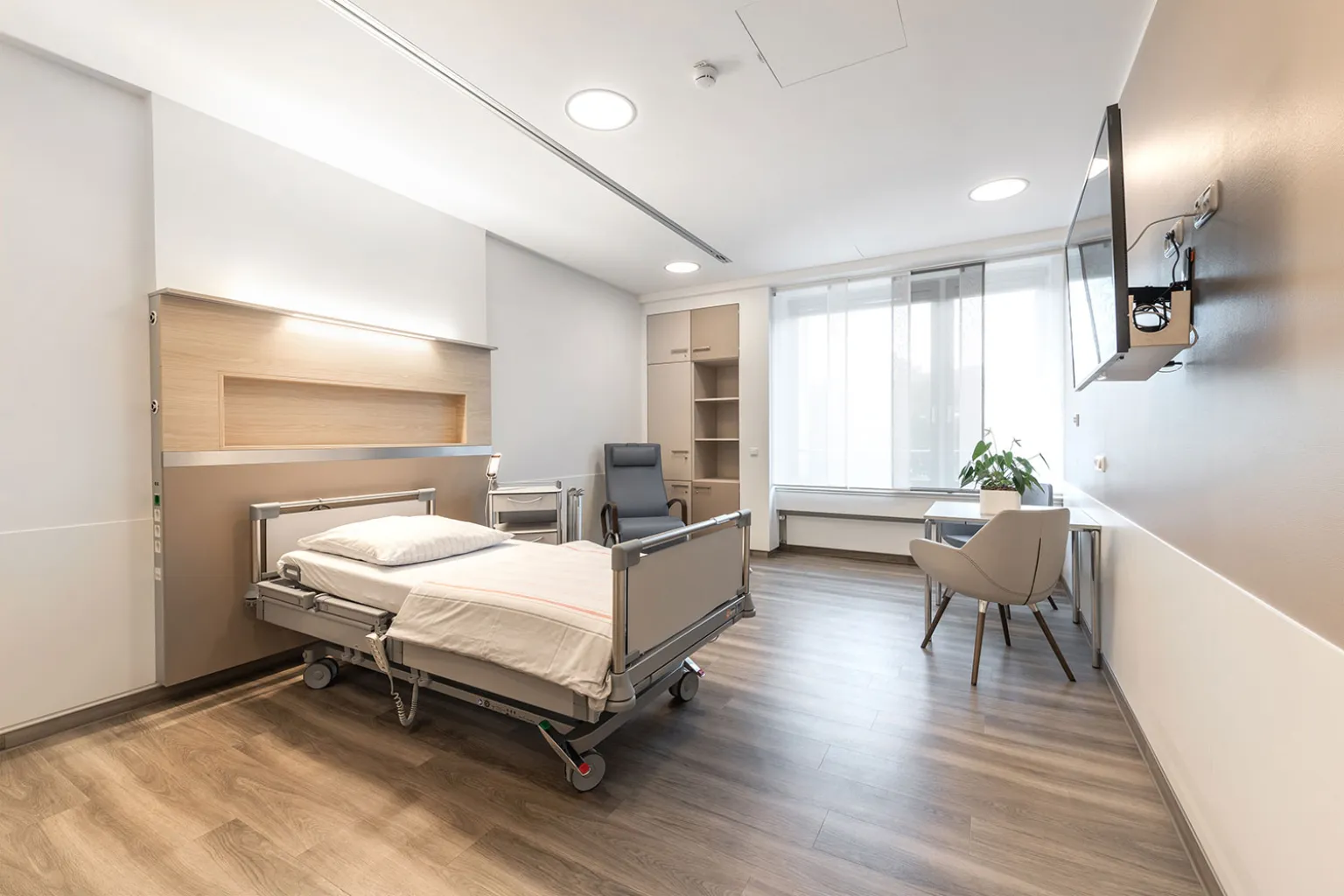
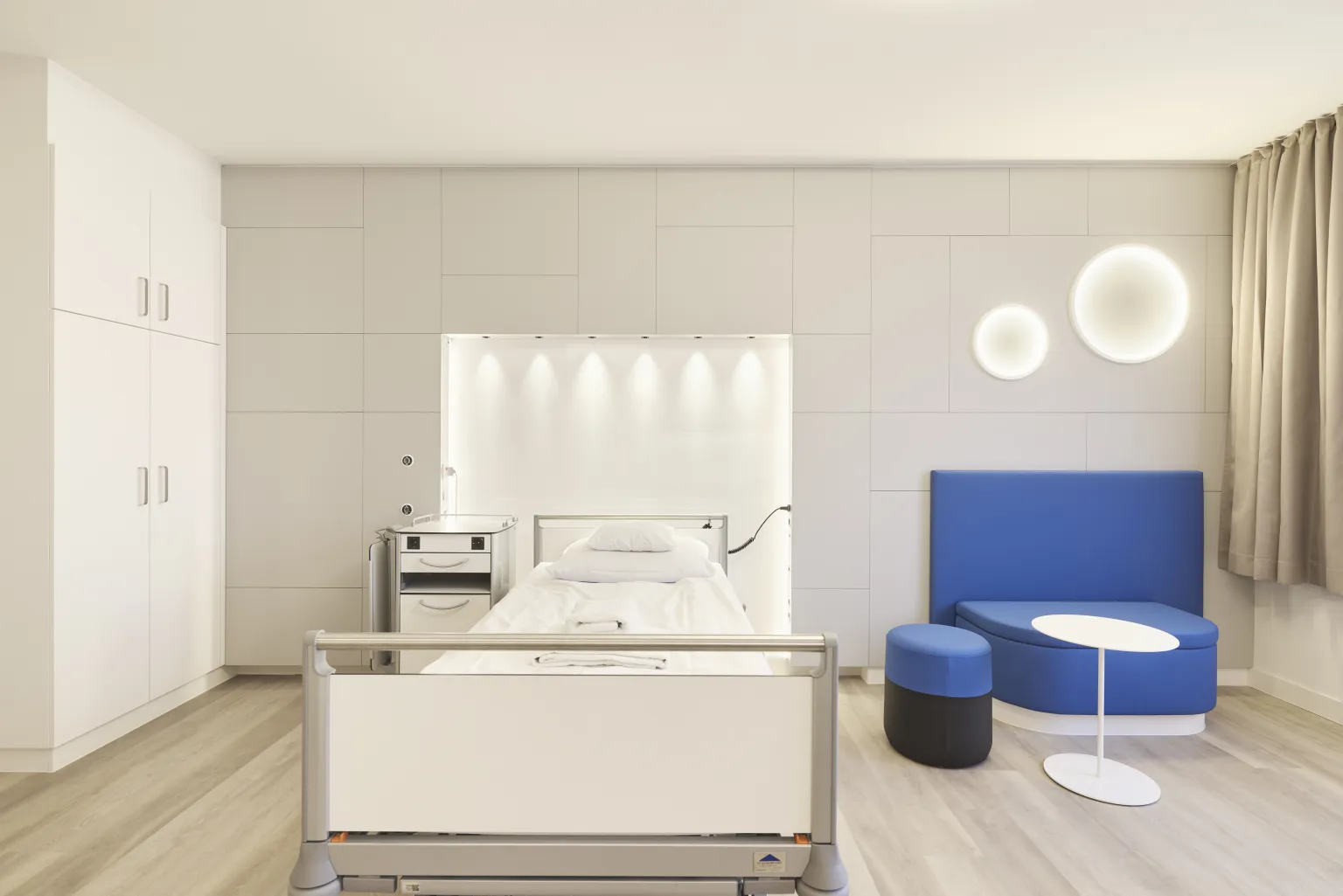
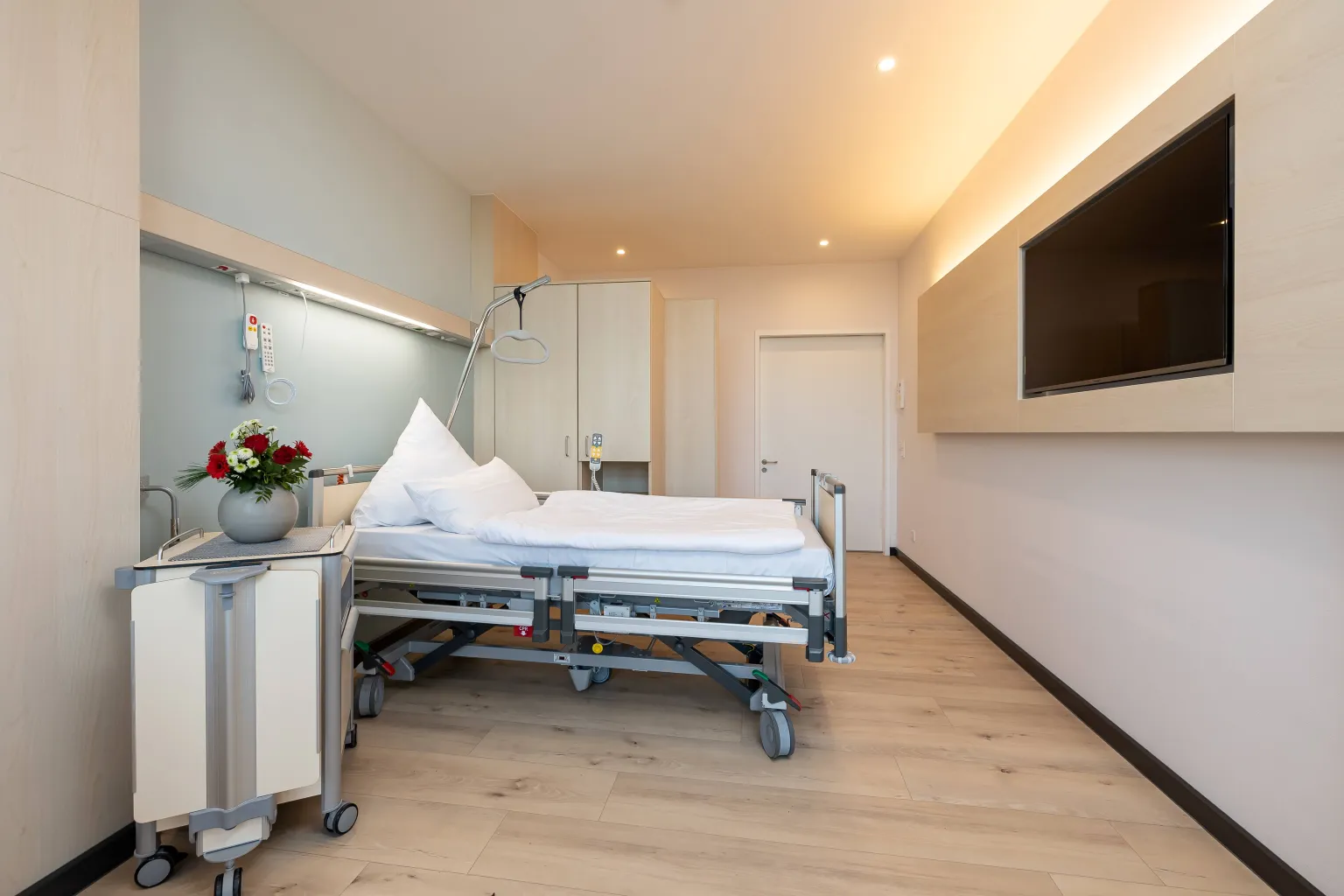
A well-thought-out spatial concept considers more than just brightness. It combines light quality, circadian dynamics, acoustic design, and architectural clarity. This creates an environment that supports medical processes while also offering a high quality of stay.
Four Pillars of Modern Lighting Design
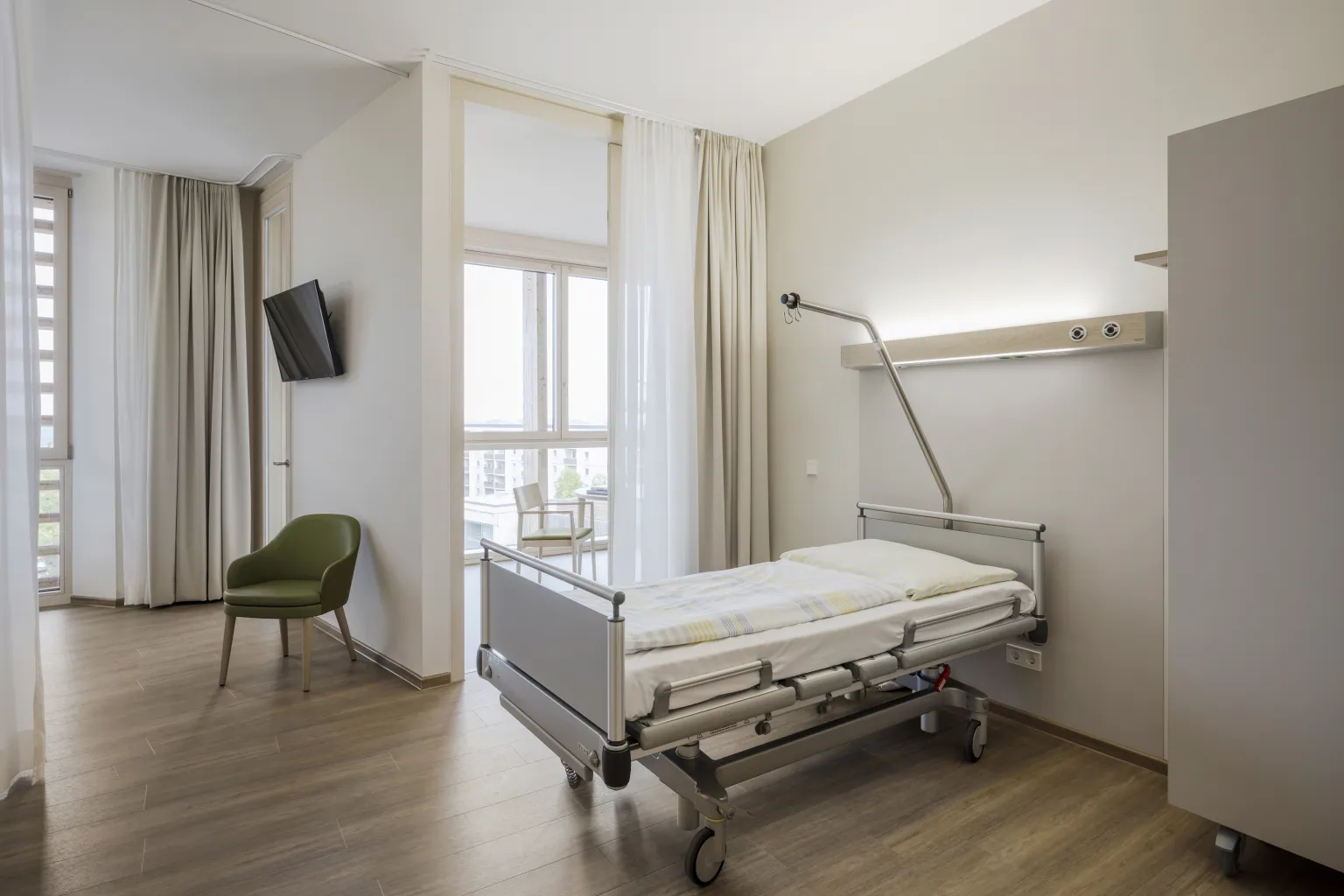
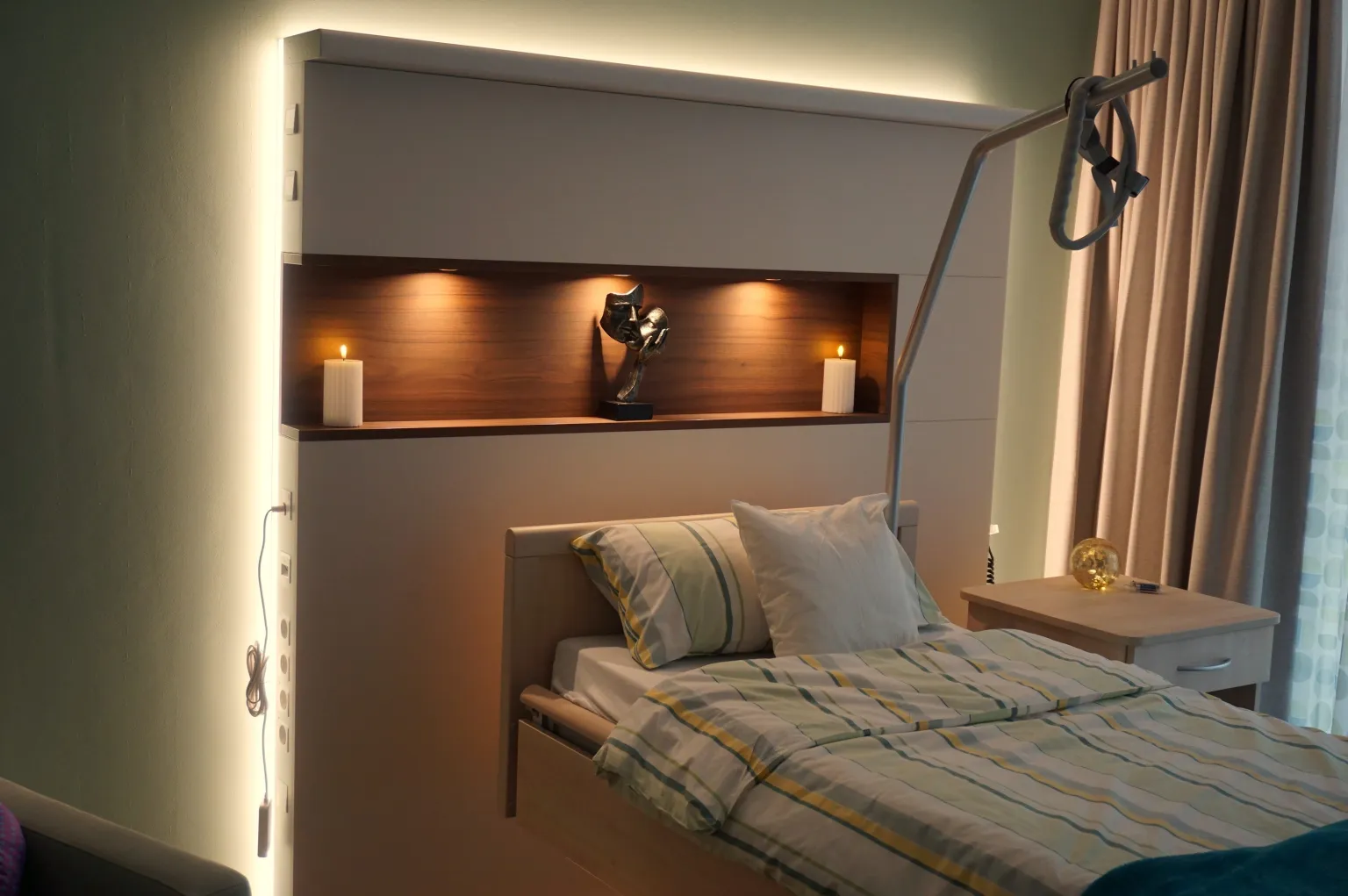
General lighting: Even, glare-free, 100–300 lux – aids orientation and highlights architectural features. Task and examination lighting: Directly at the bedside, adjustable – 300–500 lux in normal operation, up to 1000 lux when needed. Precisely integrated without disrupting the room’s ambiance. Patient lighting: Individually controllable reading light and pleasant night light – promotes autonomy, well-being, and safety. Human Centric Lighting (HCL): Dynamic control in sync with the natural light cycle – part of a Healing Architecture that links light, circadian rhythms, and healing processes.
Acoustic Enhancement
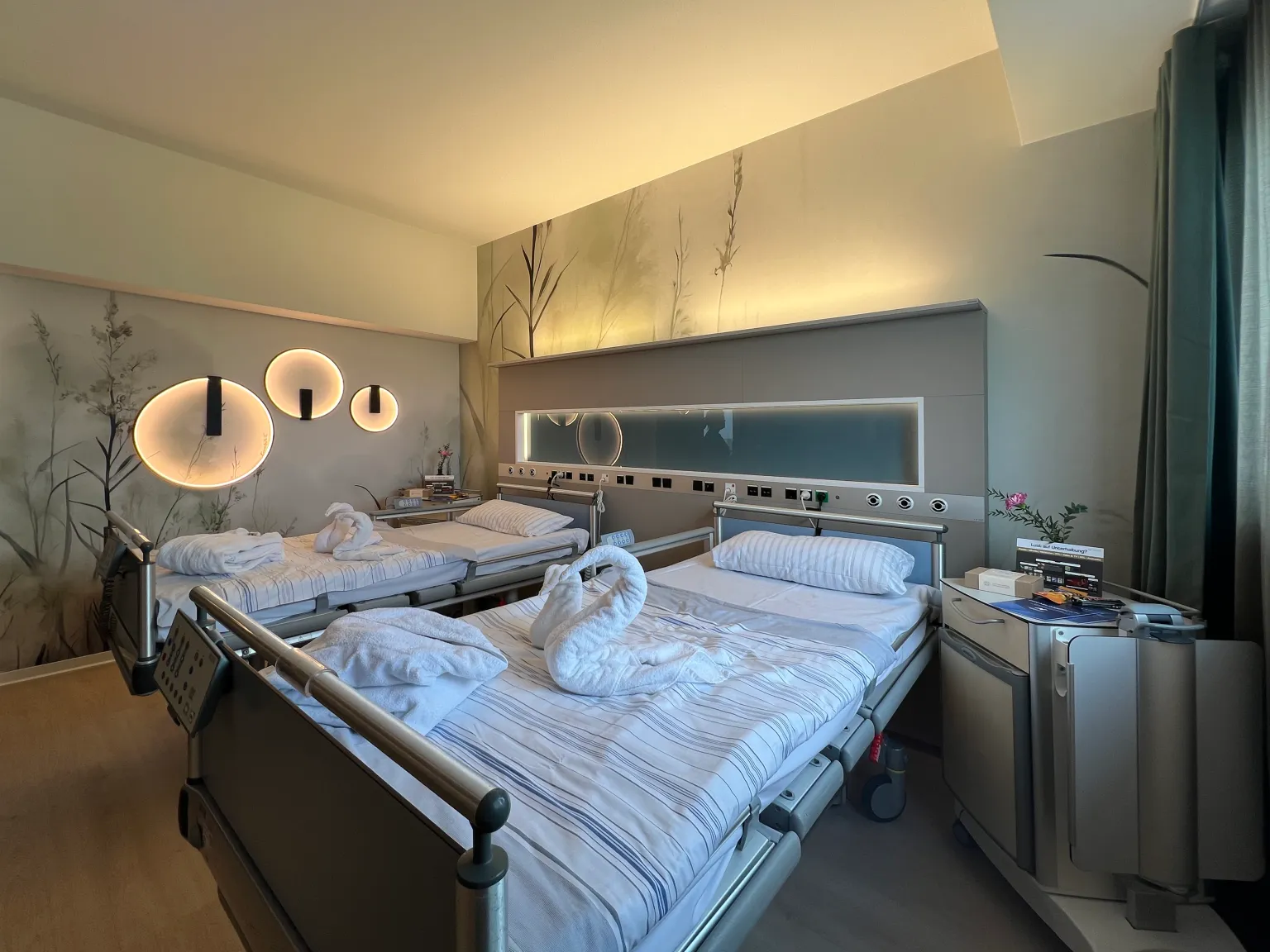
However, light alone is not enough to create the perfect feel-good atmosphere if the room is filled with disruptive noise. Acoustic elements—such as sound-absorbing materials or strategically placed sound solutions—enhance the effect of lighting concepts. Together, they create an atmosphere that reduces stress and can support healing.
Schyns S 130 – Technology that creates spatial quality
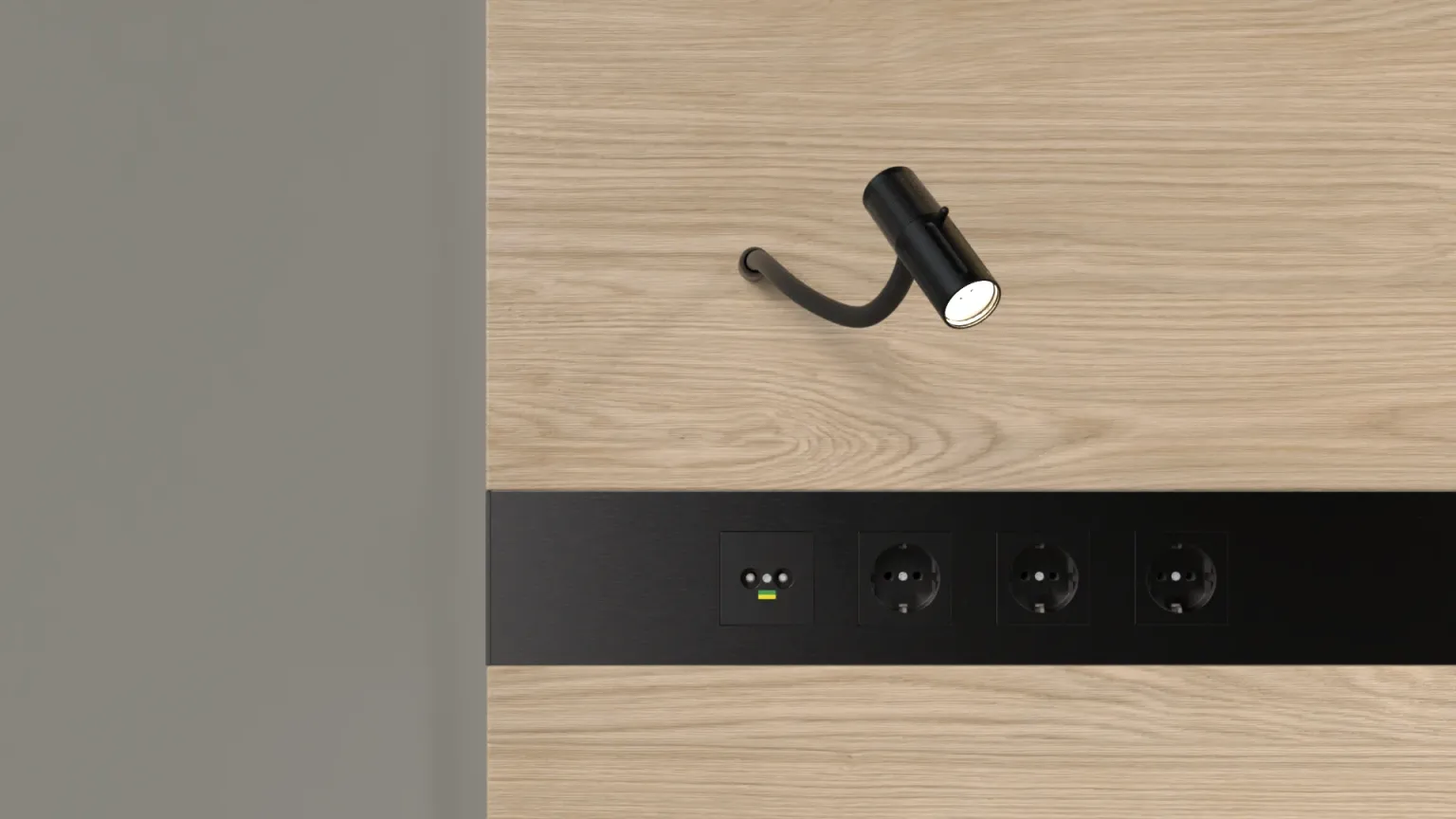
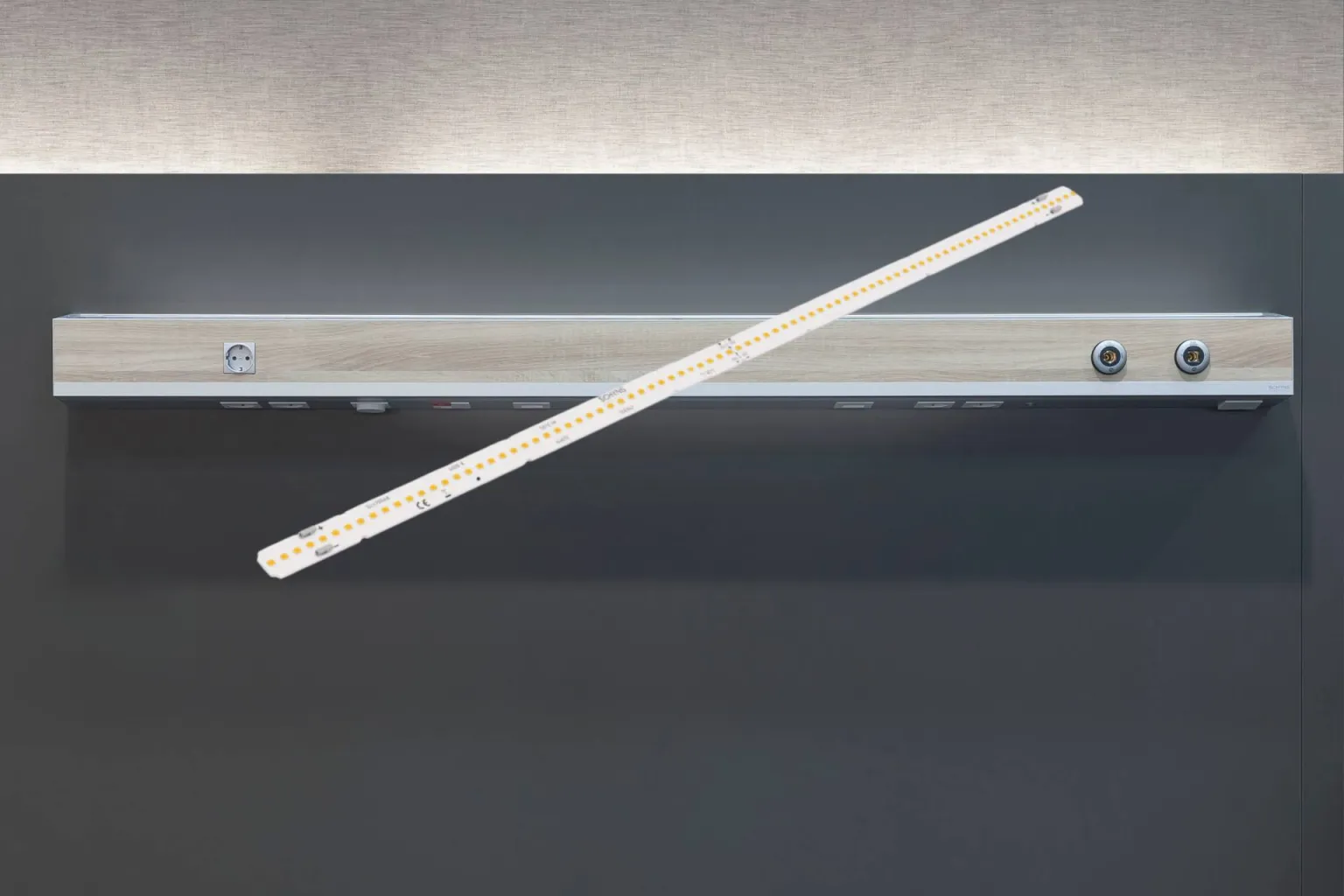
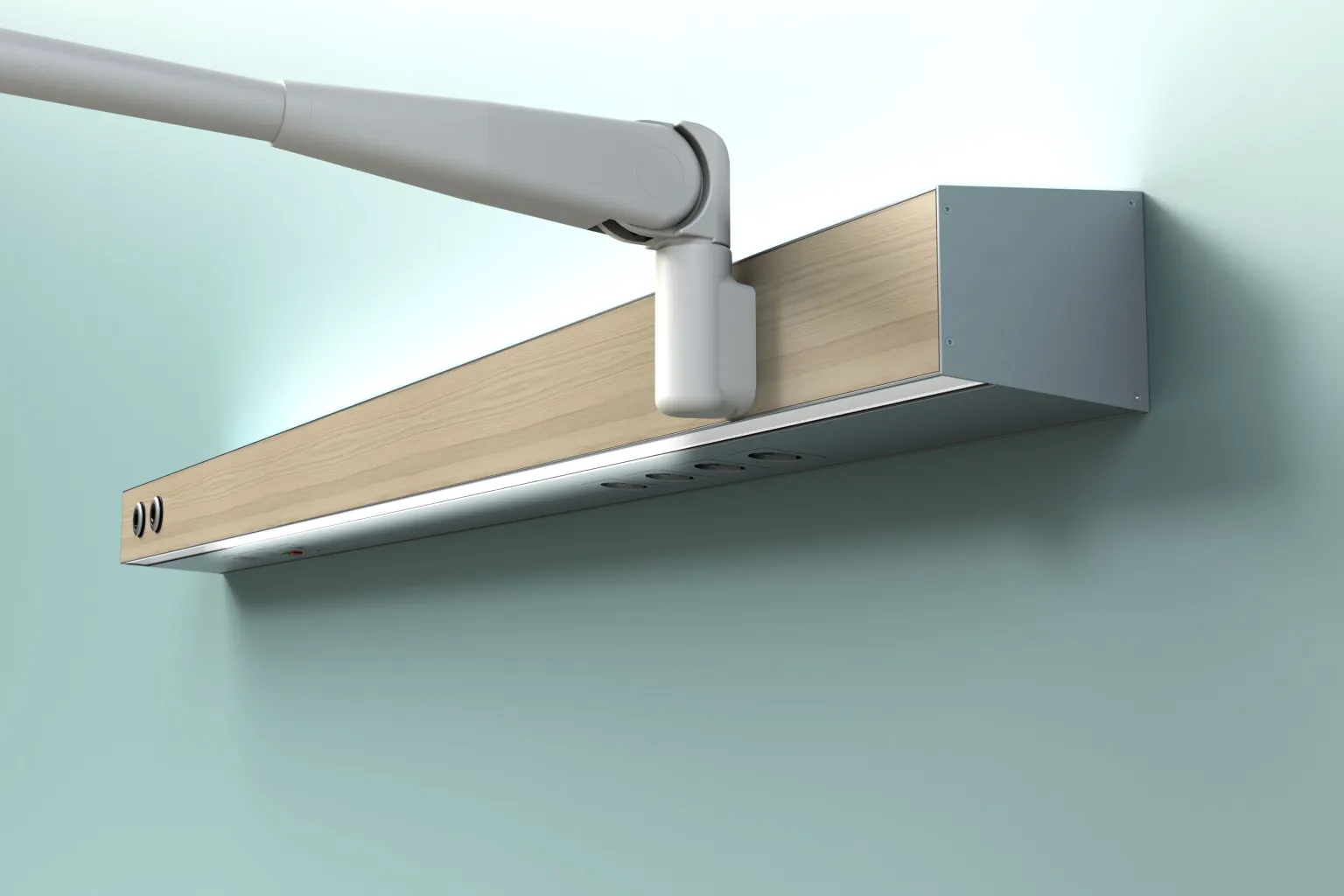
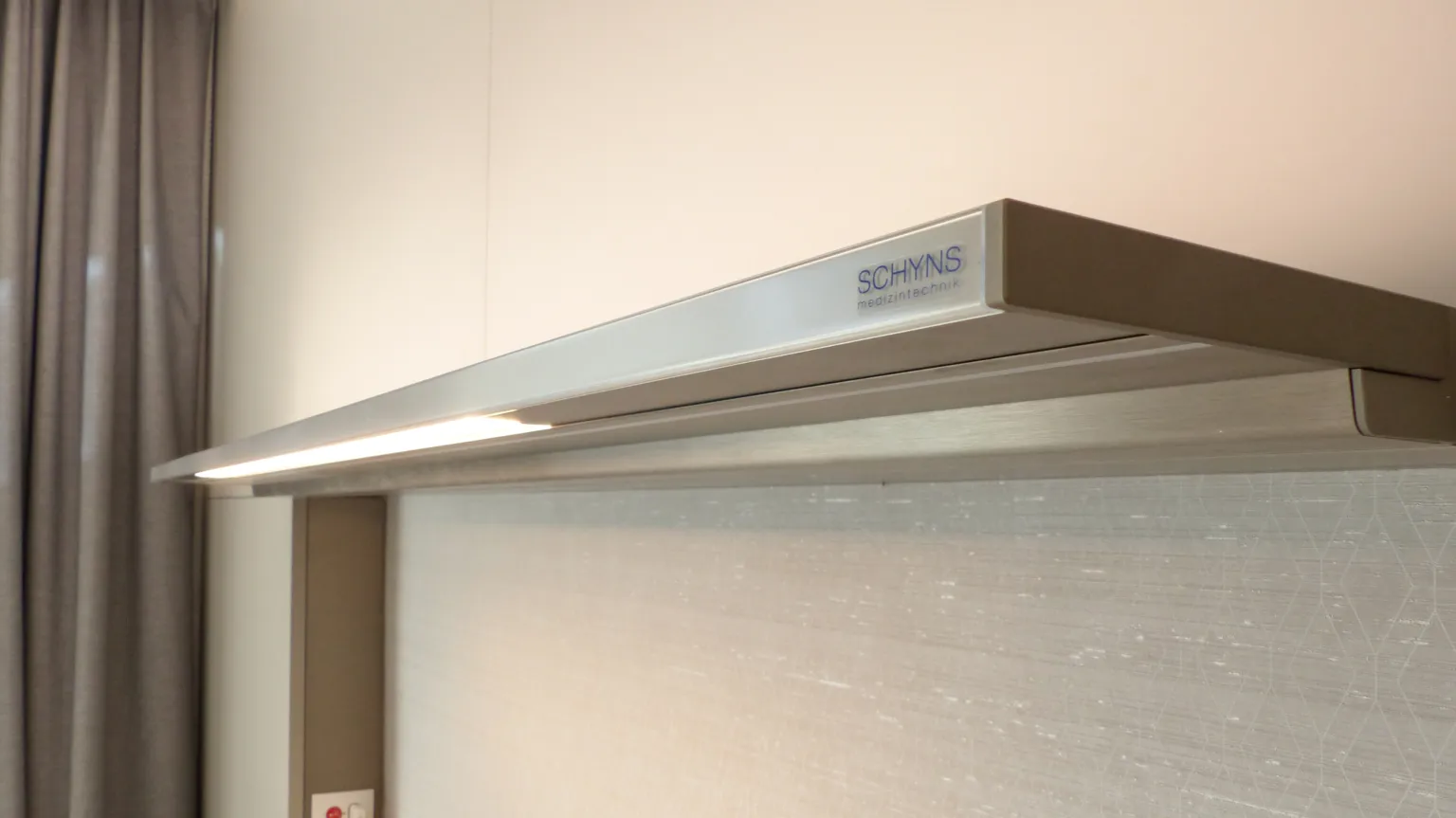
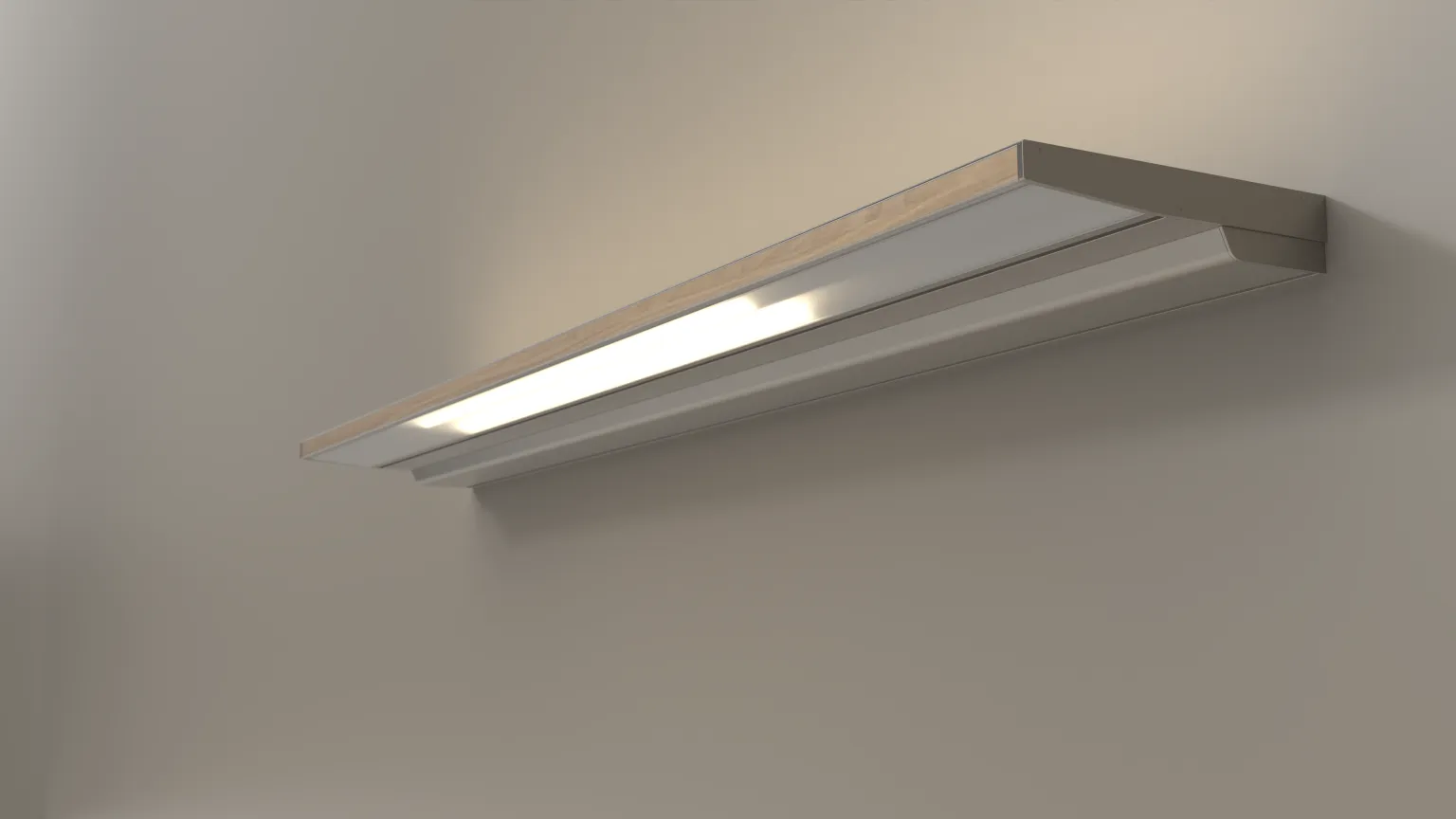
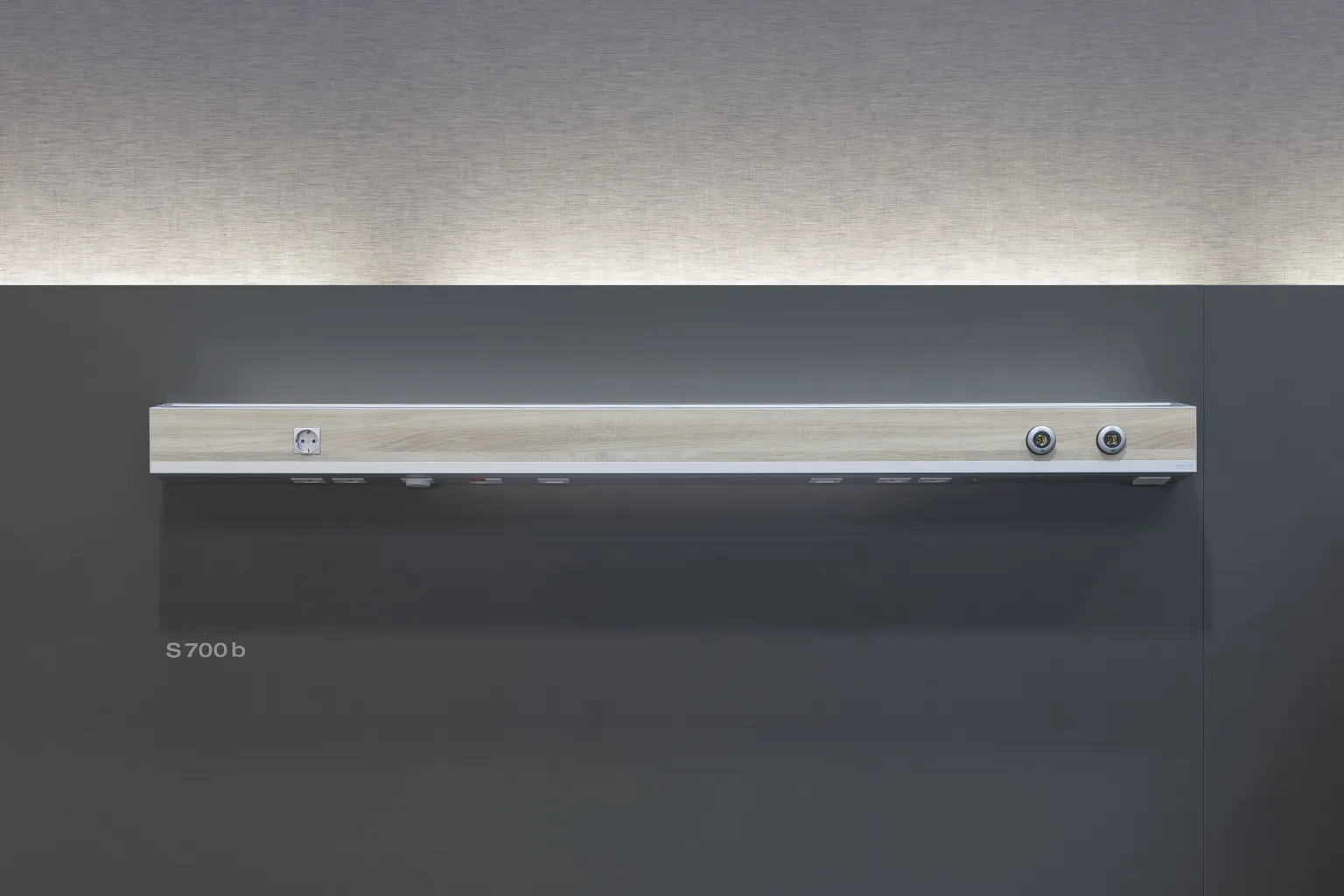
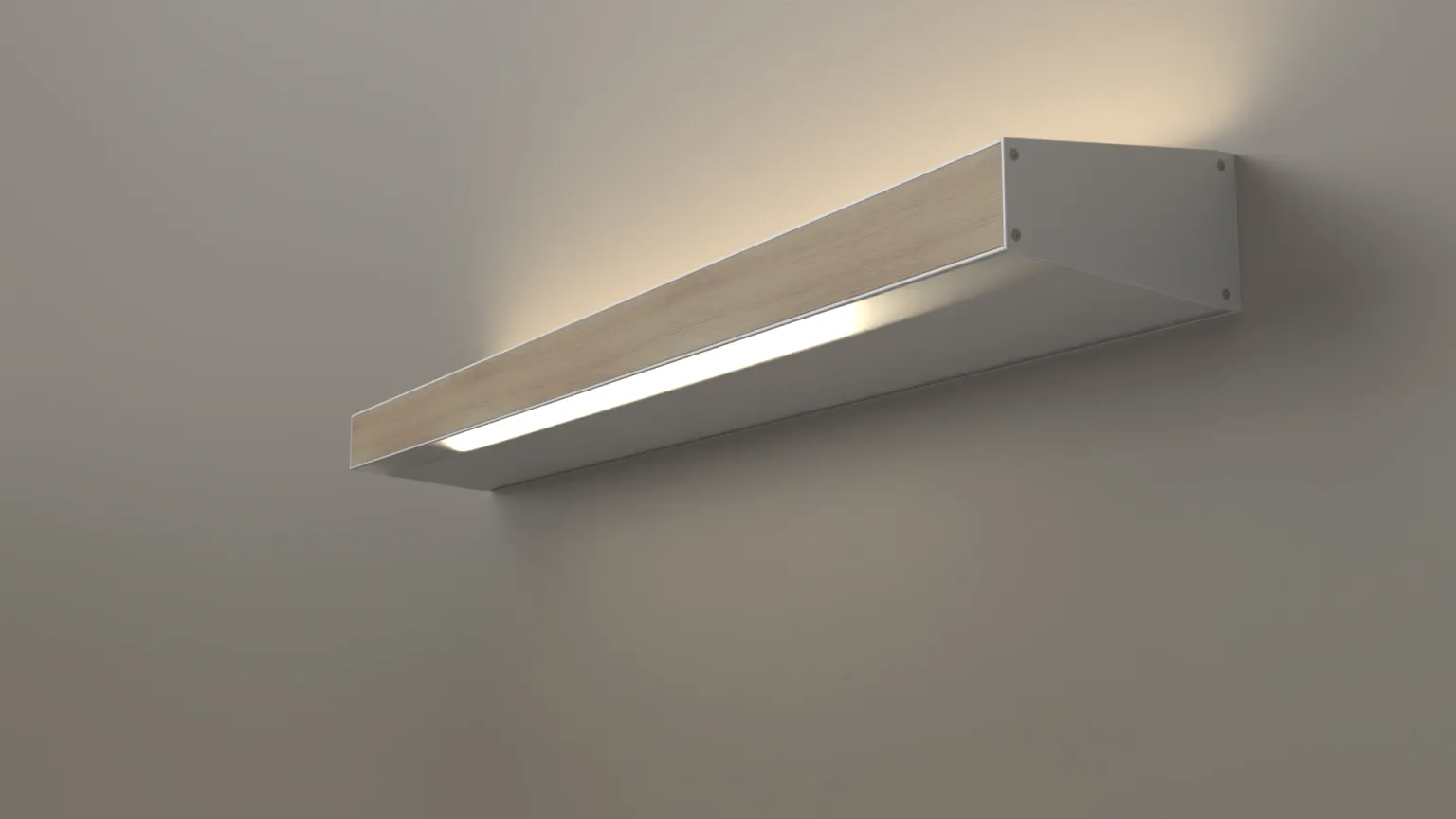
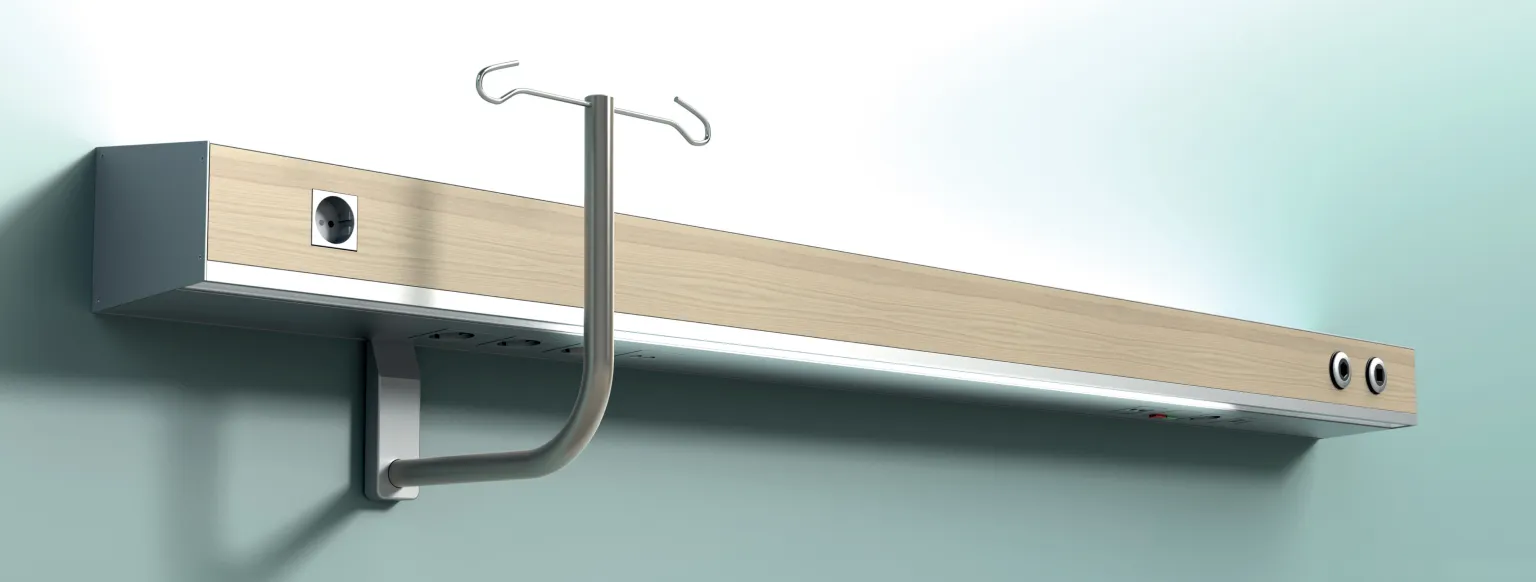
The S 130 medical lighting unit from Schyns Medizintechnik demonstrates how function and design can be intelligently combined:
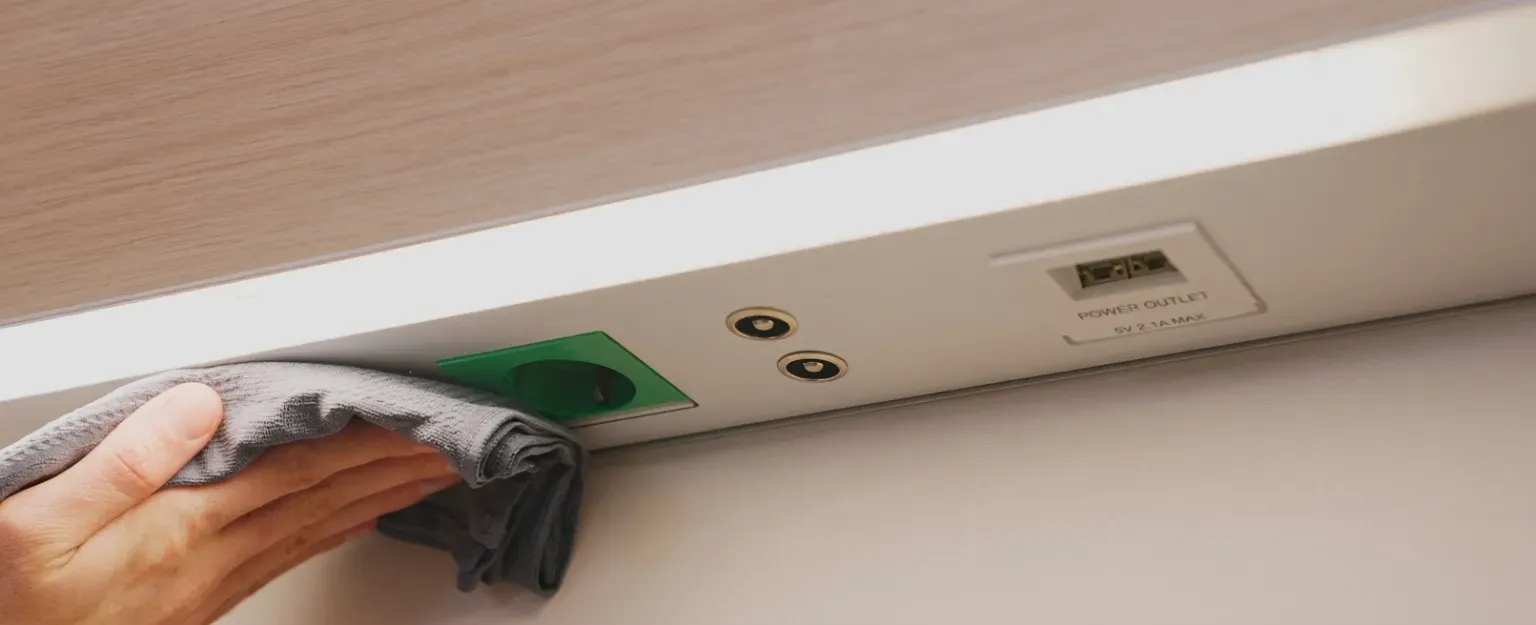
Lighting that meets all regulatory requirements—from general to examination lighting—and enables HCL concepts. A discreet design that blends harmoniously into healing architecture concepts without overloading the space with technical elements.
Conclusion
The patient room must not be viewed solely from a functional perspective. Light is an essential factor for safety, orientation, and healing—and in combination with HCL and acoustic design, it creates an atmosphere that empowers patients and alleviates the burden on staff. Those who take the standards of DIN EN 12464-1 seriously and combine them with the principles of healing architecture create spaces that are not only technically sound but can also promote healing—through light, rhythm, tranquility, and multisensory design.
Copyrights
Photo: Manuel Reitz





Talk to us about your project or concern
Whether it's your initial idea or a concrete project, we'll provide you with personalized, committed advice with a holistic view. Contact us. We look forward to hearing from you.
Make contact
By people. For people.
If you are looking for
bedhead panel
you are at Schyns
precisely!