Blog post 2 of 2
5 Questions – 5 Answers: Insights from the Market.
You can look forward to an exclusive interview with Charleen Grigo, founder of the Office of Healing Architecture and an expert in the field of healing architecture.
Topic: Multisensory Design in Hospitals with Ms. Charleen Grigo of the Office of Healing Architecture
Foreword
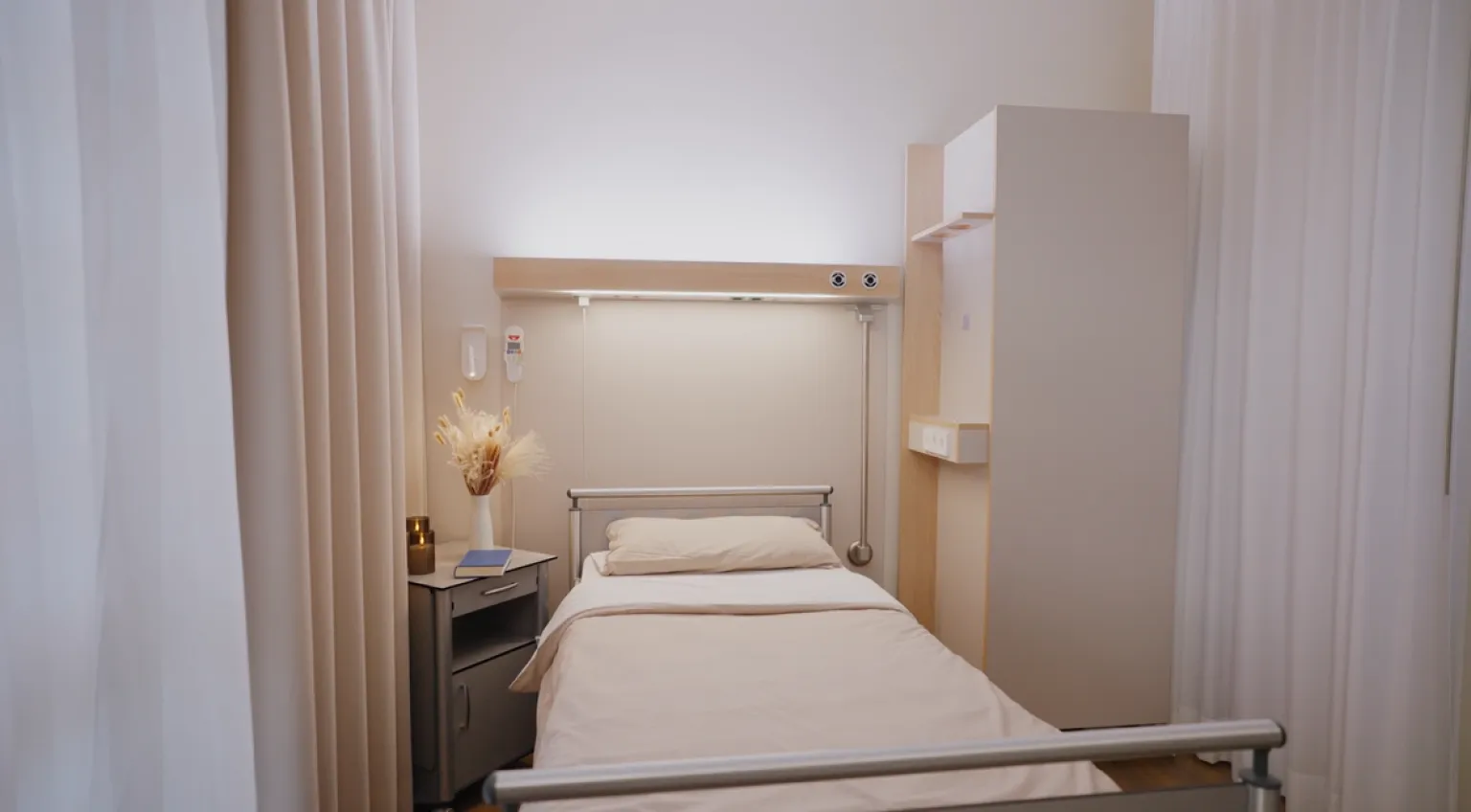
Multisensory design is becoming increasingly important in modern hospital architecture—because healing is a holistic process that goes far beyond purely medical care. An environment that specifically appeals to multiple senses can enhance emotional well-being, reduce stress, and thereby actively contribute to recovery. Aspects such as acoustics, indoor climate, materials, colors, and scents interact in a finely tuned interplay and influence how patients, relatives, and staff perceive and feel within the space. At Schyns Medizintechnik, this holistic approach is also close to our hearts.
That is why, in our interview series, we would like to shed light on the various facets of multisensory design and show how it can contribute to the creation of healing spaces. For our next conversation, we are particularly pleased to welcome Charleen Grigo from the Office of Healing Architecture. As an interior designer, she focuses intensively on the question of how architecture can specifically contribute to promoting health and well-being—particularly through the integrative use of sensory stimuli.
What do you mean by multisensory design in a hospital?
To me, multisensory design means that spaces are designed to consciously engage all of a person’s senses—not just sight, but also hearing, smell, touch, and even one’s own bodily sensations within the space. In a hospital context, this means: We specifically take into account the psychophysiological interactions between the environment and the user. Because our brain is constantly processing sensory impressions—even unconsciously. Spaces that understand and incorporate this influence can reduce stress, alleviate anxiety, and even support healing processes.
What role do colors, materials, acoustics, and light play in the multisensory design of patient rooms?
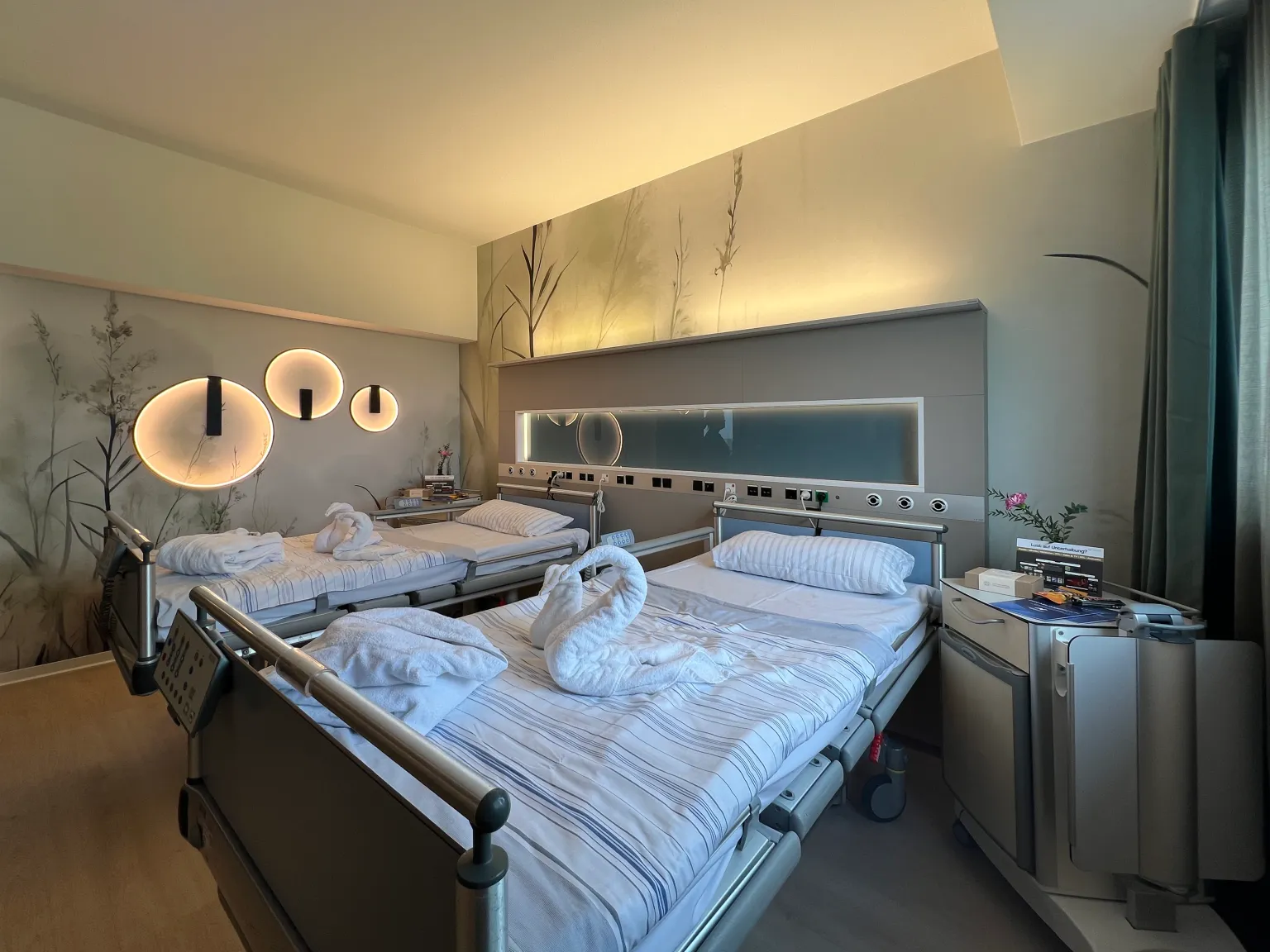
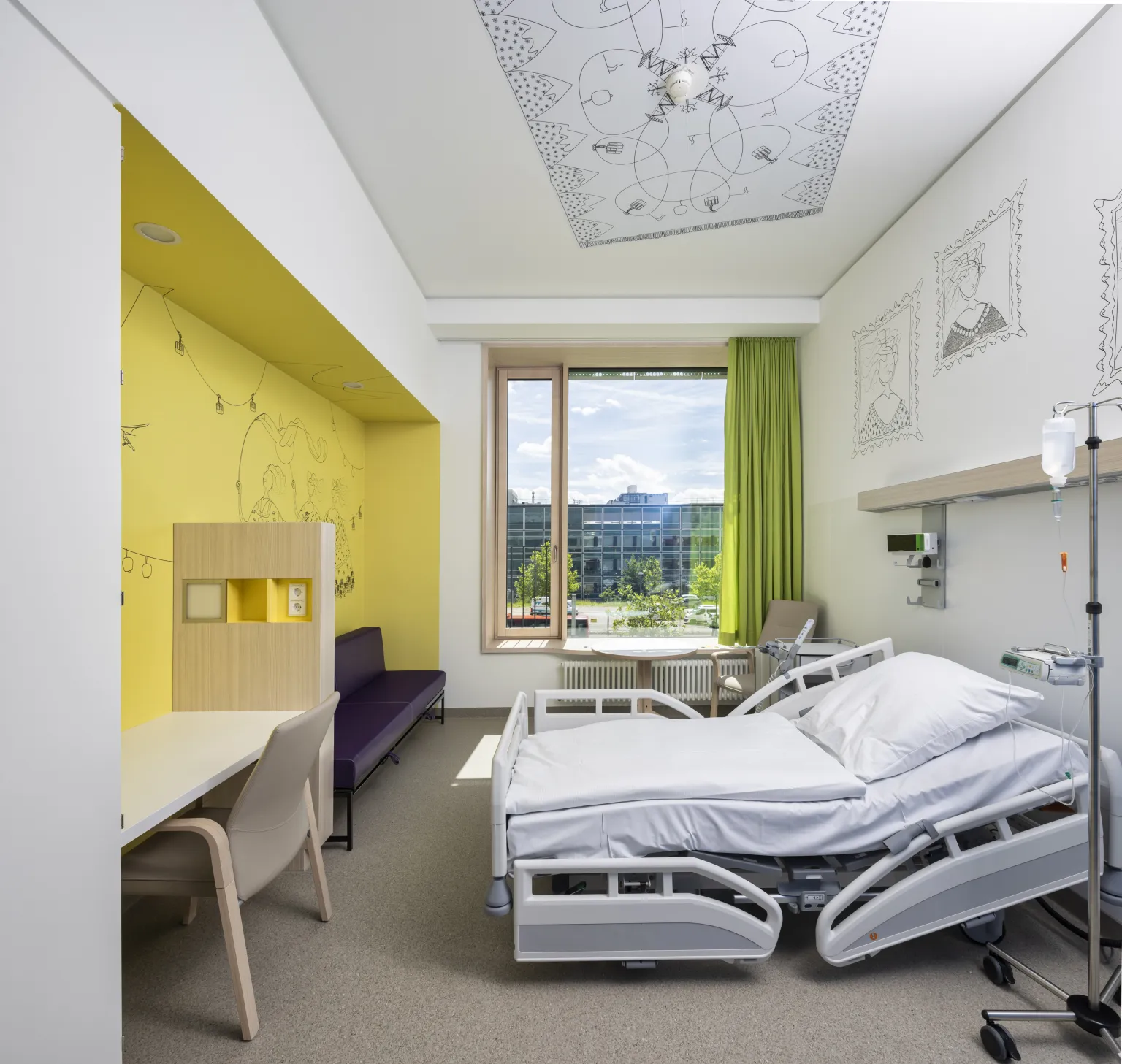
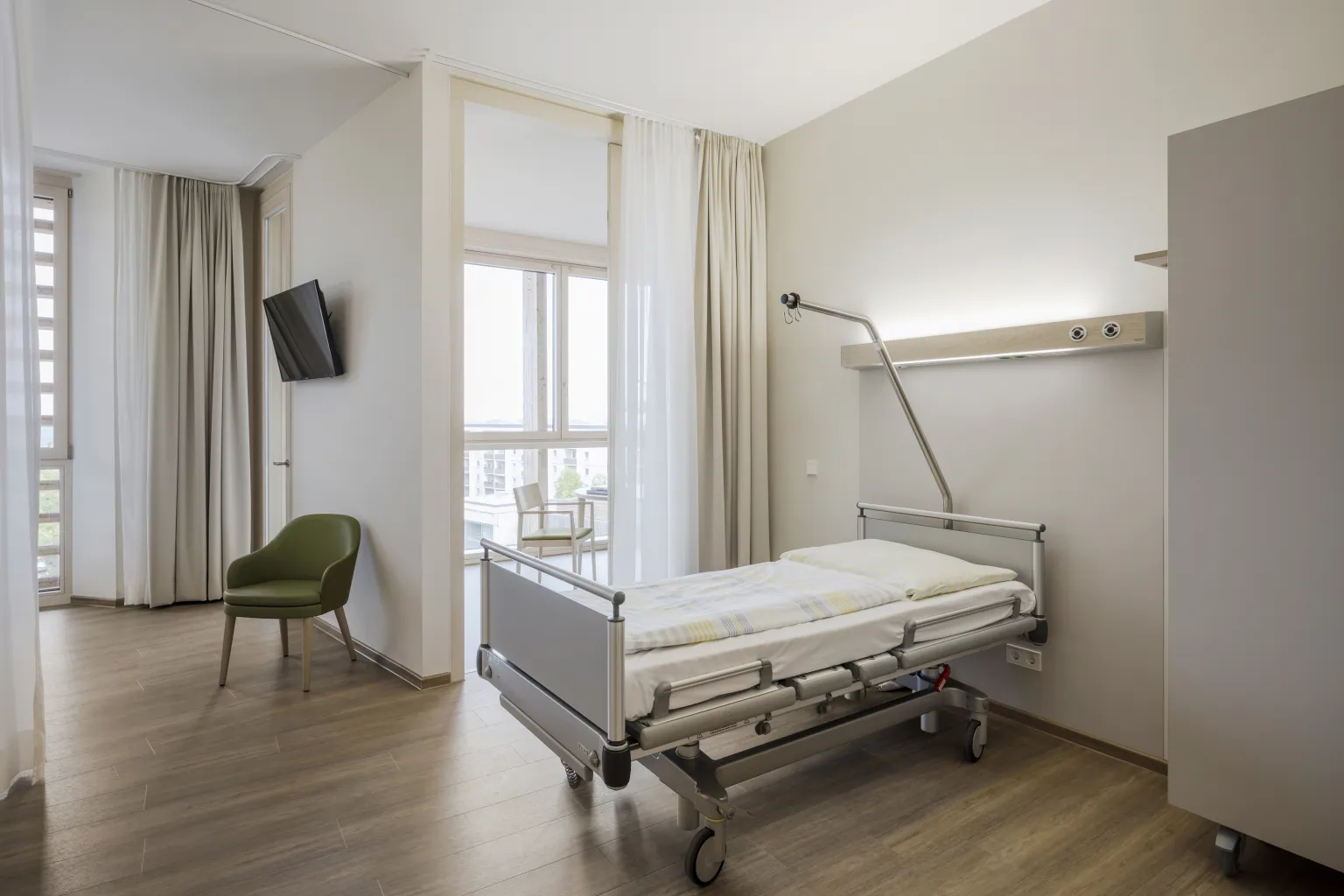
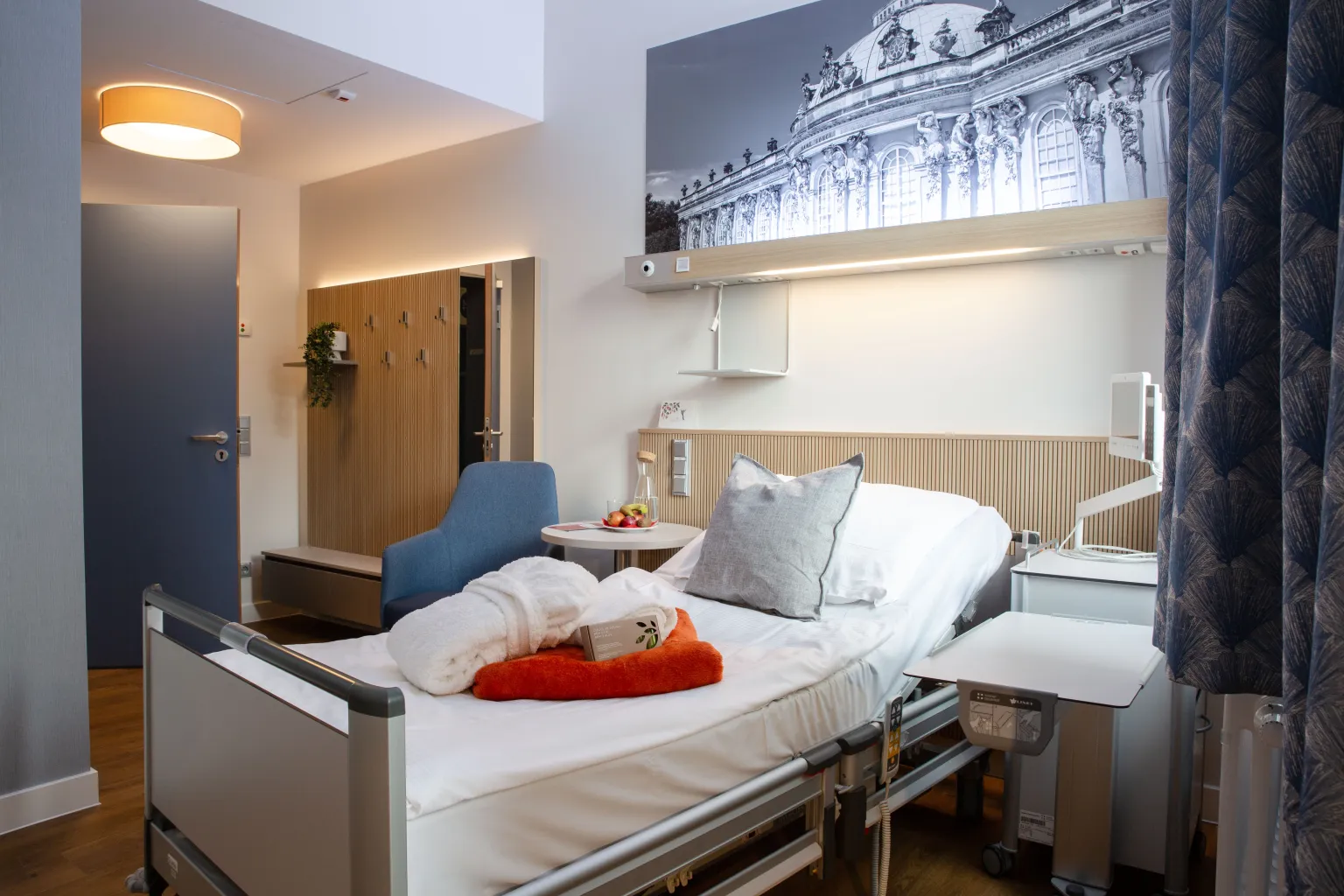
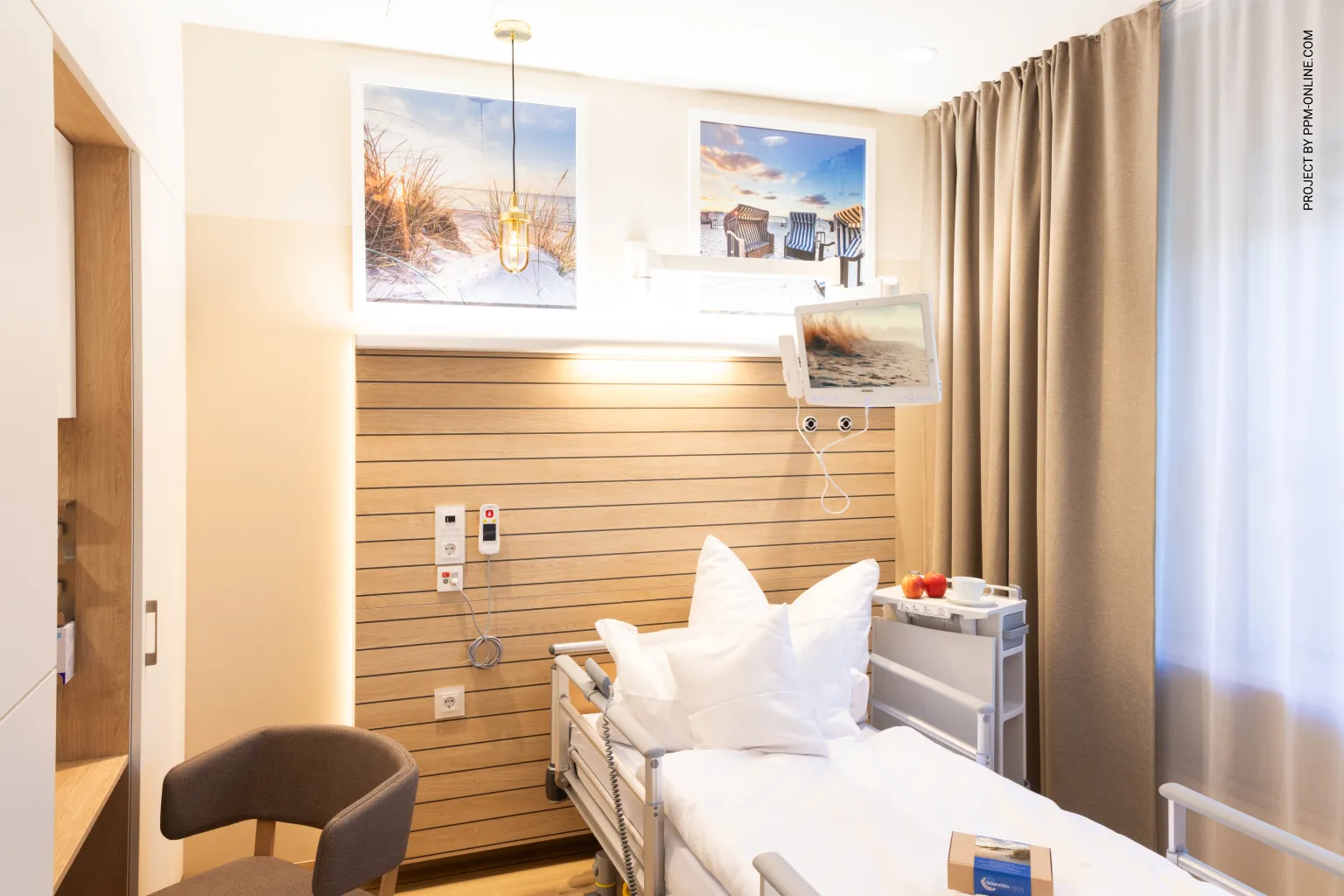
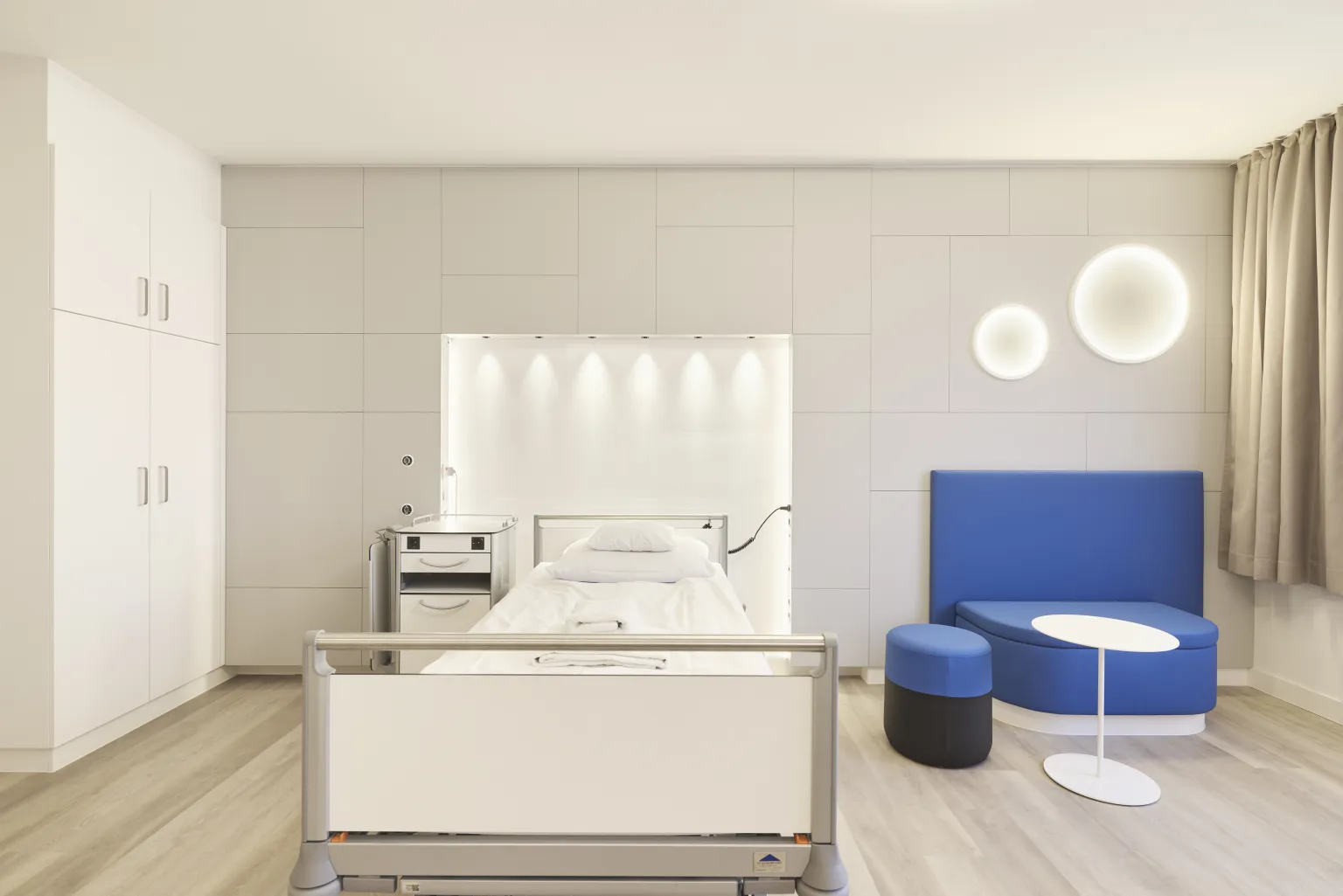
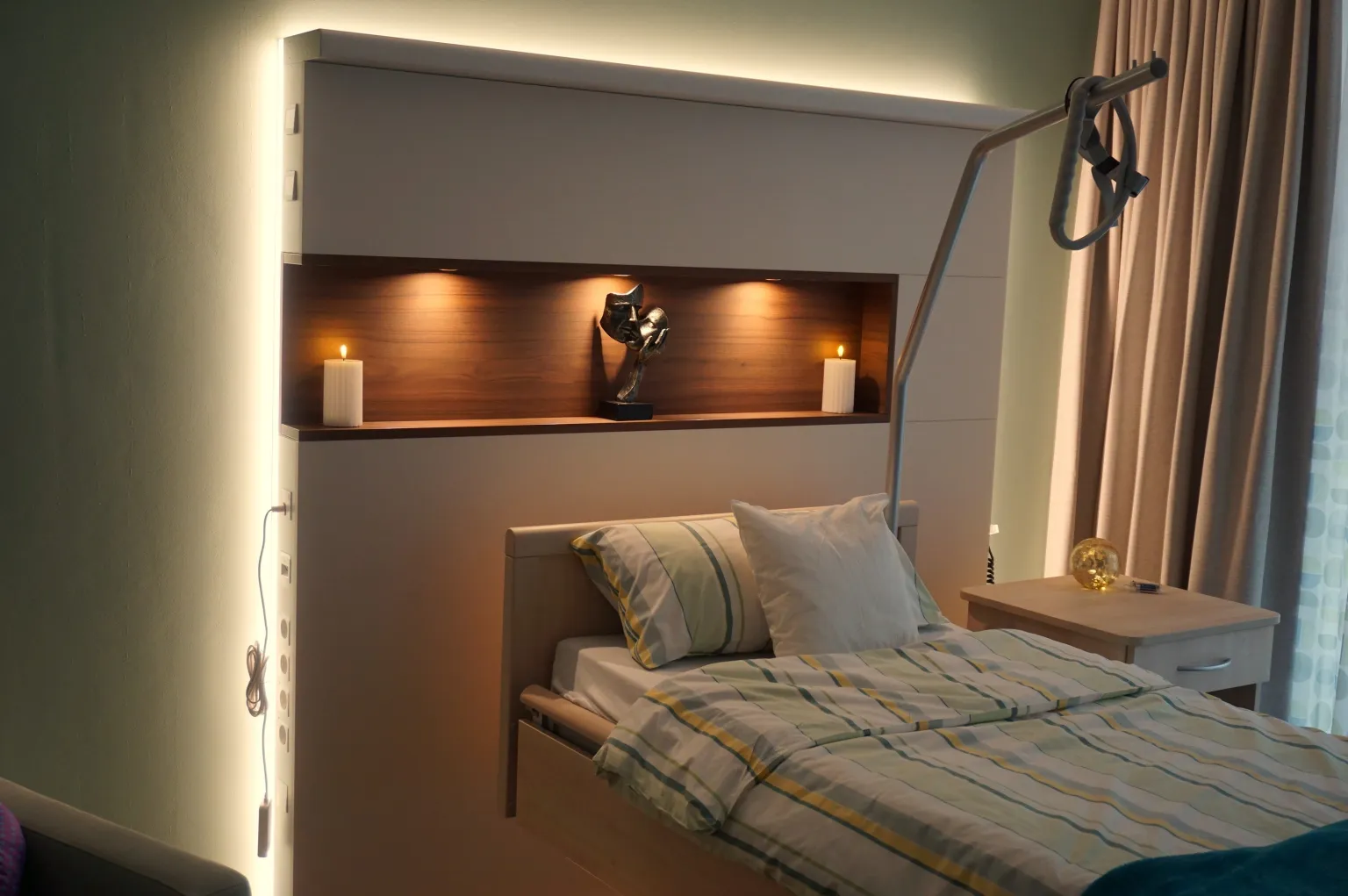
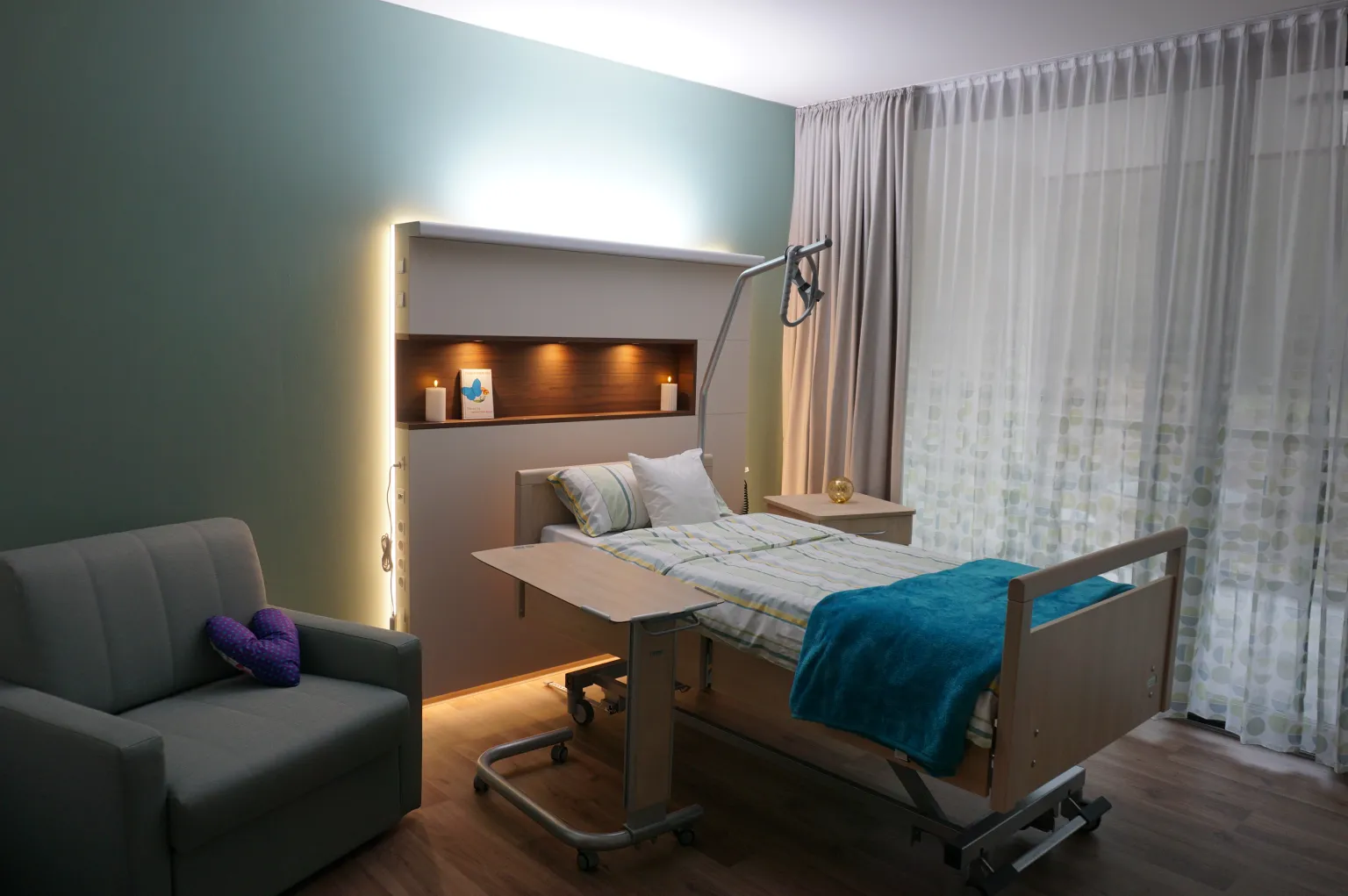
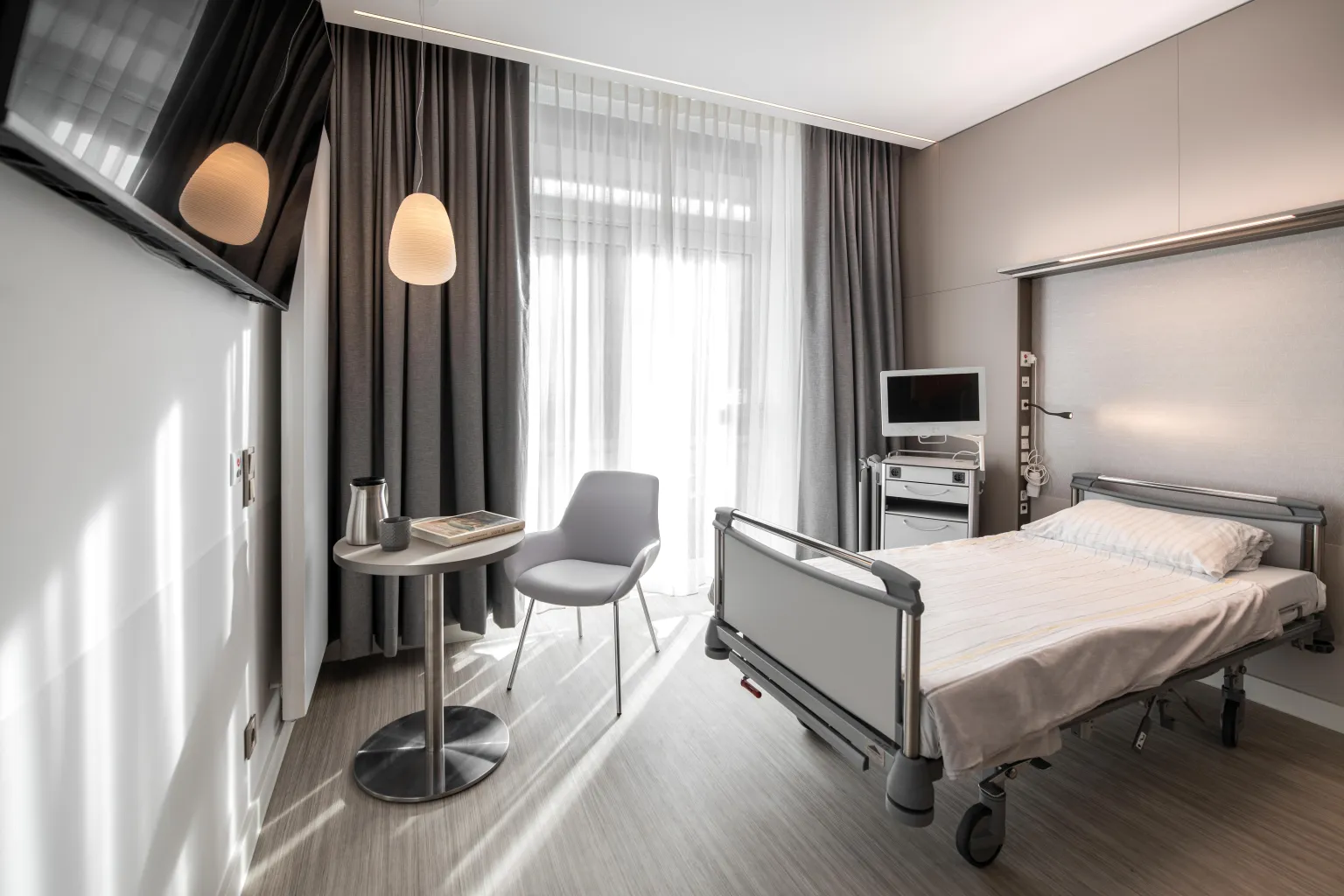
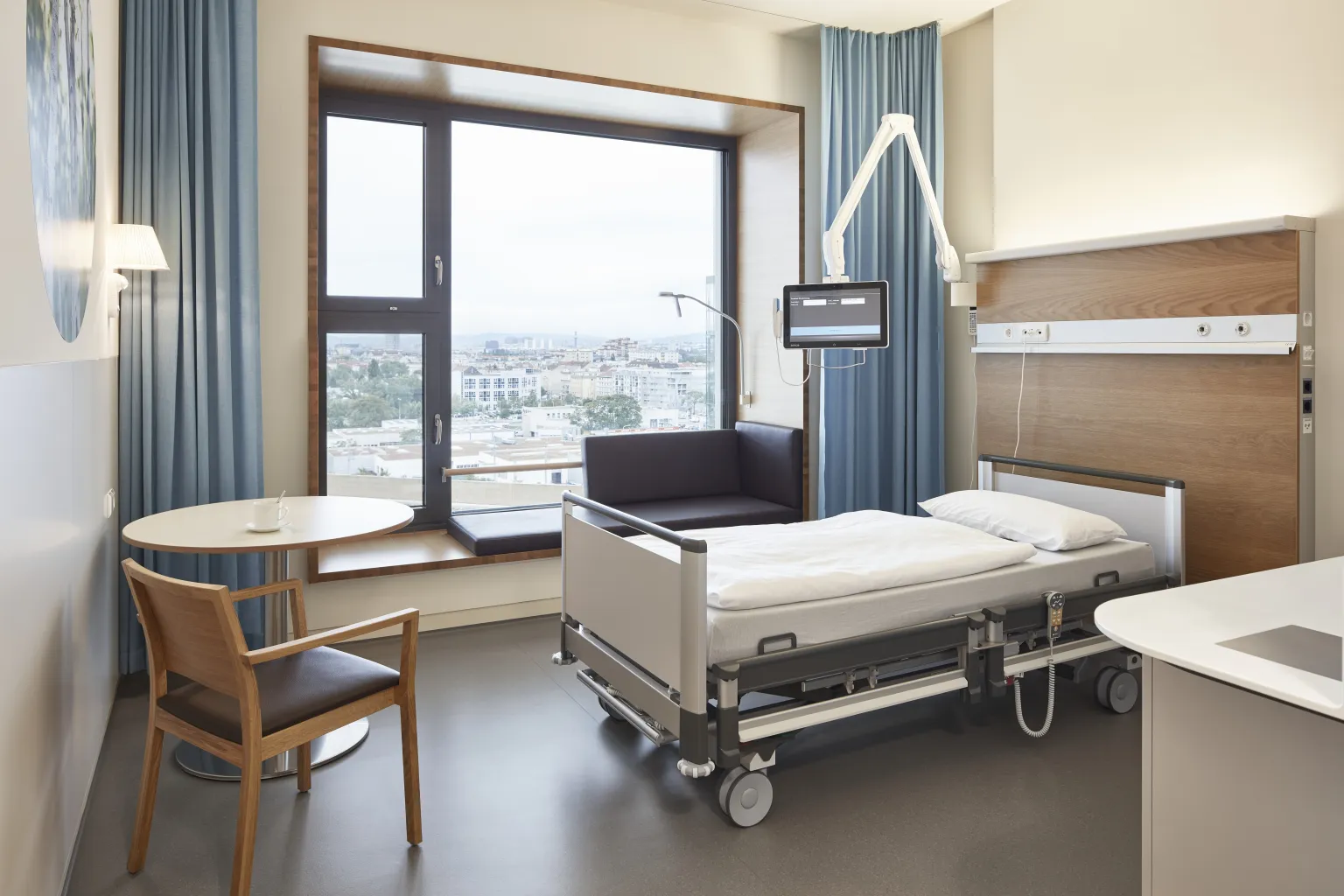
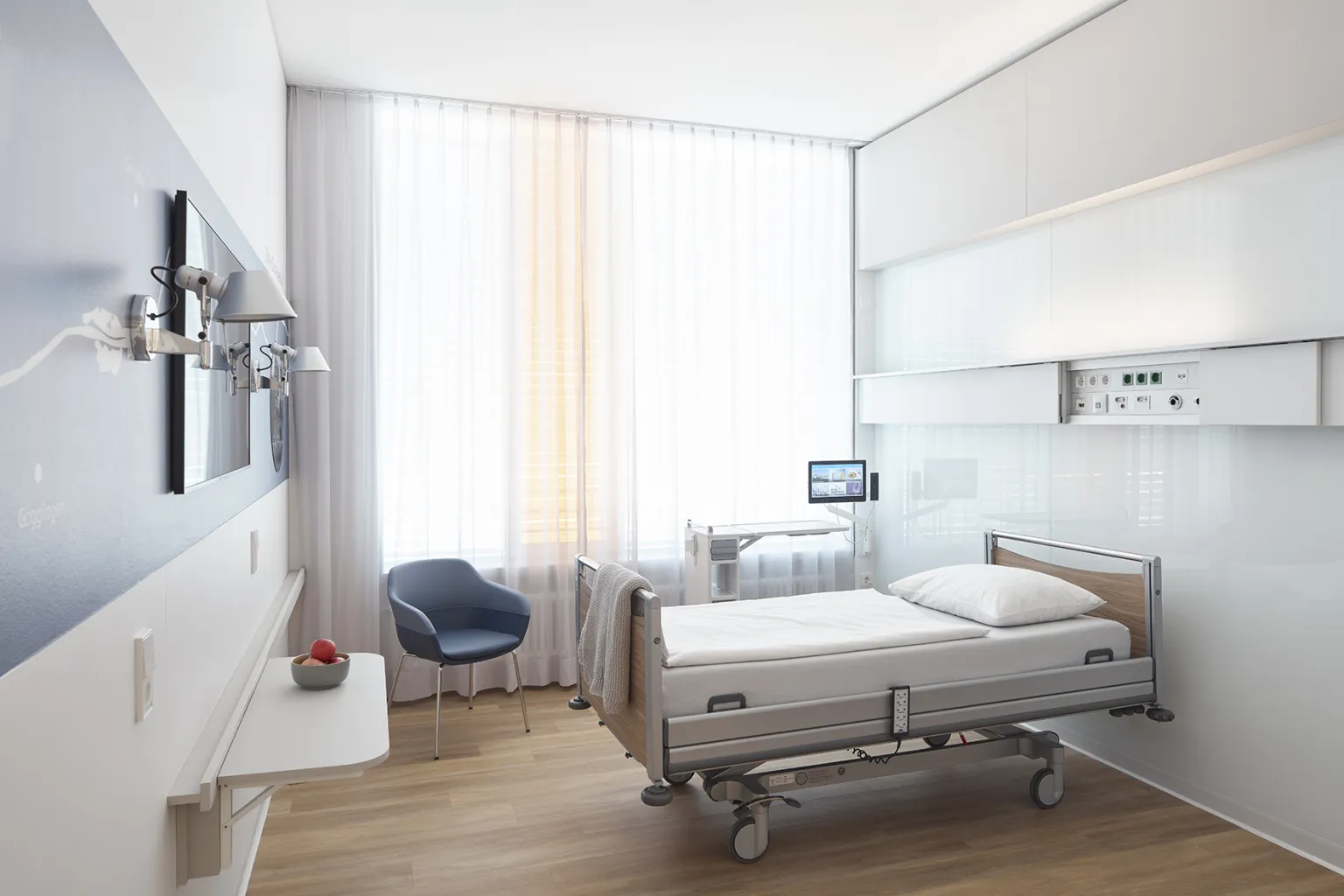
Colors influence emotions, light regulates the biorhythm, materials affect the environment through touch and atmosphere—and acoustics protect against stress. Studies show that insufficient light, hard materials, or constant noise increase stress levels, which negatively impact healing. Natural-looking surfaces, biodynamic lighting, and sound-absorbing materials improve both healing and work quality.
To what extent can smells influence the patient experience?
Smells are directly linked to the limbic system—that is, to our emotional memory. The typical hospital smell (disinfectants, plastics, medicine) instinctively triggers stress in many people. Studies show that pleasant, natural scents like lavender or orange have been proven to reduce anxiety and tension.
What trends do you see in multisensory design for the future of hospitals?
I see three key trends: First, digital sensor technologies are gaining importance—they detect factors such as temperature, noise, or patient falls and enable spaces that dynamically adapt to users. Second, the trend is toward outpatient units with a home-like design, where daily life and treatment merge more closely. Third, close collaboration across various disciplines—from interior design to nursing to psychology—is needed to effectively implement multisensory concepts.
What role do staff, patients, and family members play in multisensory design, and how can their needs also be taken into account?
They play a central role—because every design should be conceived with people and their needs in mind. That’s why I always take a participatory approach: with kick-off workshops, on-site observations, interviews, and usage analyses. This is the only way to create spaces that function intuitively, foster a sense of identity, and provide genuine relief. The perspectives of family members are just as important as those of the nursing staff—especially when it comes to issues like privacy, orientation, or shared retreat.
Thank you very much, Ms. Grigo, for your answers.





Talk to us about your project or concern
Whether it's your initial idea or a concrete project, we'll provide you with personalized, committed advice with a holistic view. Contact us. We look forward to hearing from you.
Make contact
By people. For people.
If you are looking for
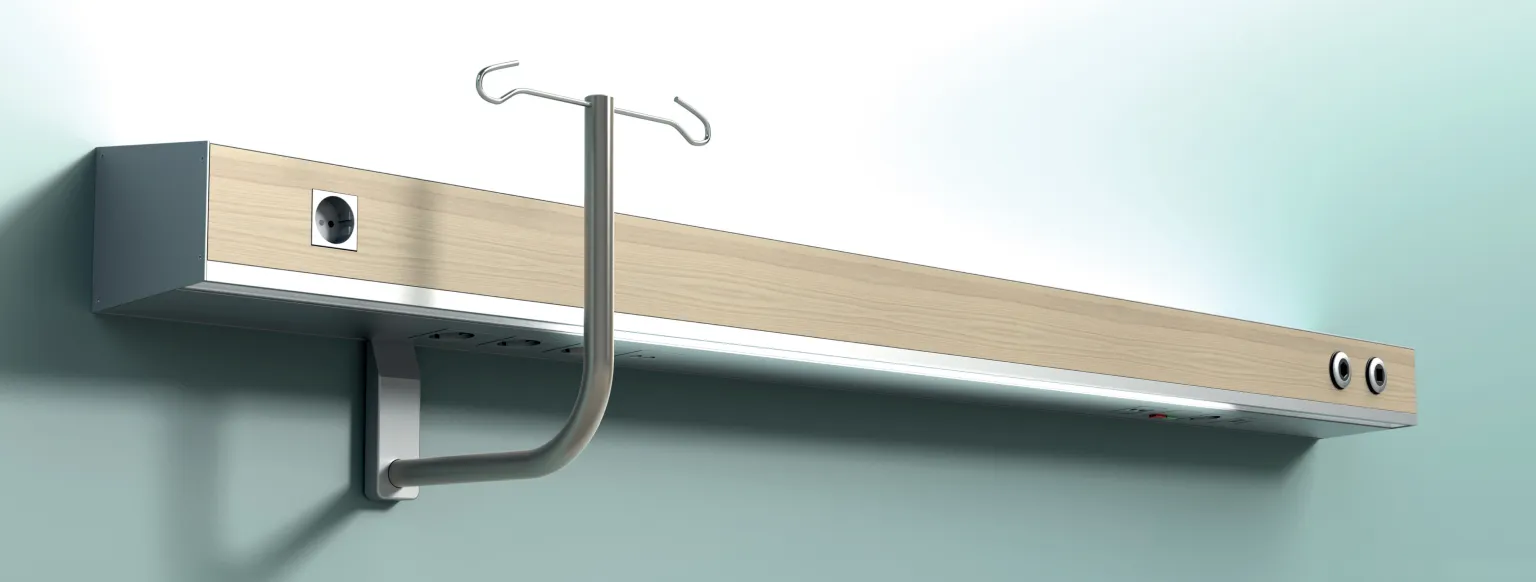
bedhead panel
you are at Schyns
precisely!